Este módulo se basa en lo que ha aprendido en el módulo sobre aparatos auditivos preprogramados del programa TAP.
Instrucciones
Siga leyendo para saber cómo proveer aparatos auditivos programables a los niños.
Impacto de los aparatos auditivos
Los aparatos auditivos ayudan a los niños y niñas con pérdida auditiva a oír el habla y los sonidos de su entorno.
Los aparatos auditivos pueden mitigar los efectos de la pérdida auditiva. Ayudan a los niños en estas circunstancias:
- El aprendizaje en el colegio.
- La vida social y con amistades.
- El desarrollo del habla y del lenguaje.
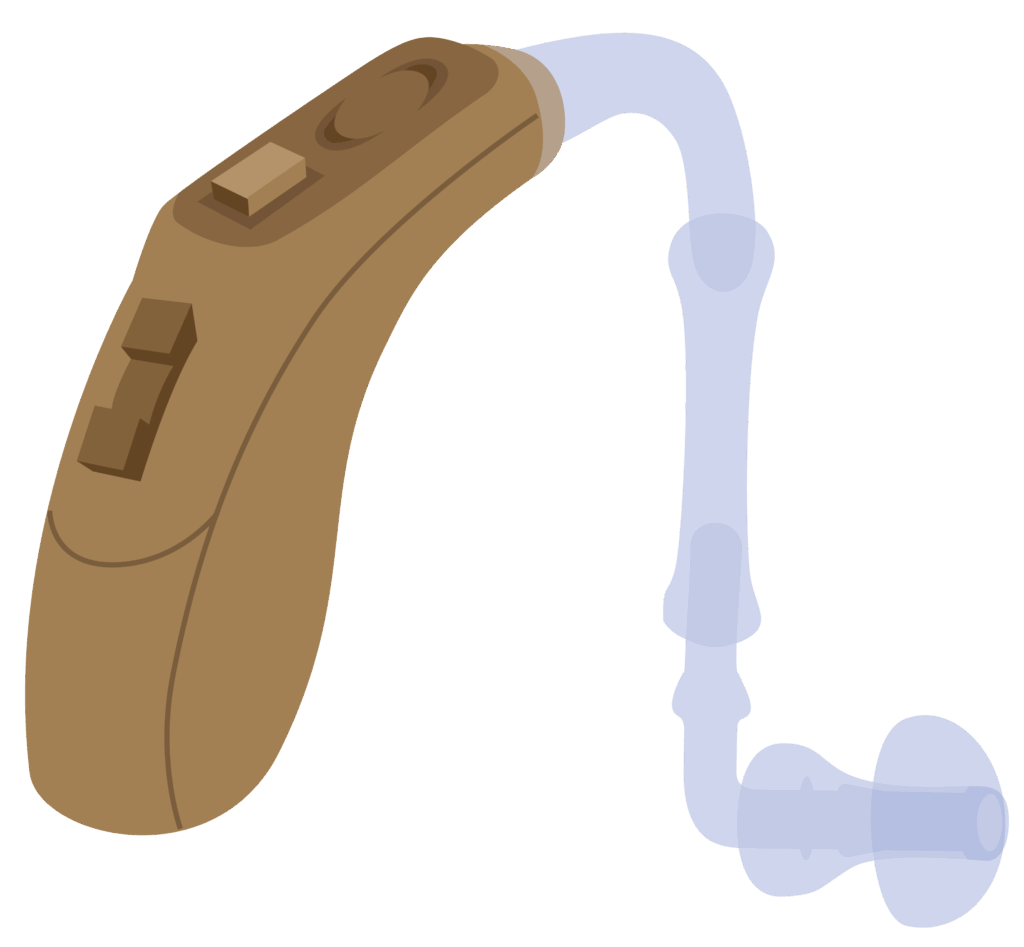
Evaluación para el uso de aparatos auditivos
- A partir de los 5 años se puede hacer una evaluación a los niños para proveerles aparatos auditivos programables.
- Los menores de 5 años también pueden utilizar este tipo de aparatos auditivos. Sin embargo, deben ser evaluados por una persona con formación más capacitadas, por lo que hay que derivarlos a un especialista del oído y la audición.
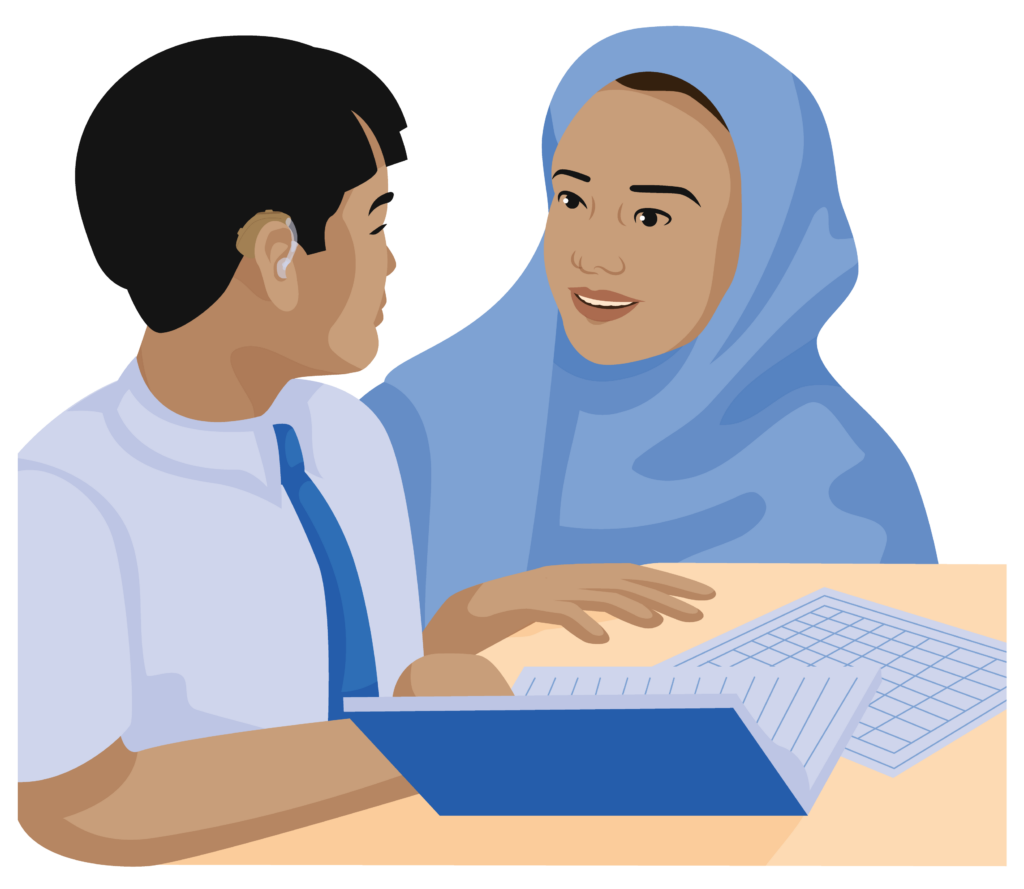
Él es Basir

Basir tiene seis años y va a la escuela con su hermana Siti, de cinco años. La maestra notó que Basir estaba callado en clase y no levantaba la mano para responder a las preguntas. A Basir se le diagnosticó una pérdida auditiva gracias a un programa de detección en la escuela.
Tras una prueba de la capacidad auditiva, y con el permiso de sus padres, a Basir le colocaron aparatos auditivos programables. Ahora habla más en casa y participa más en clase.
Pregunta
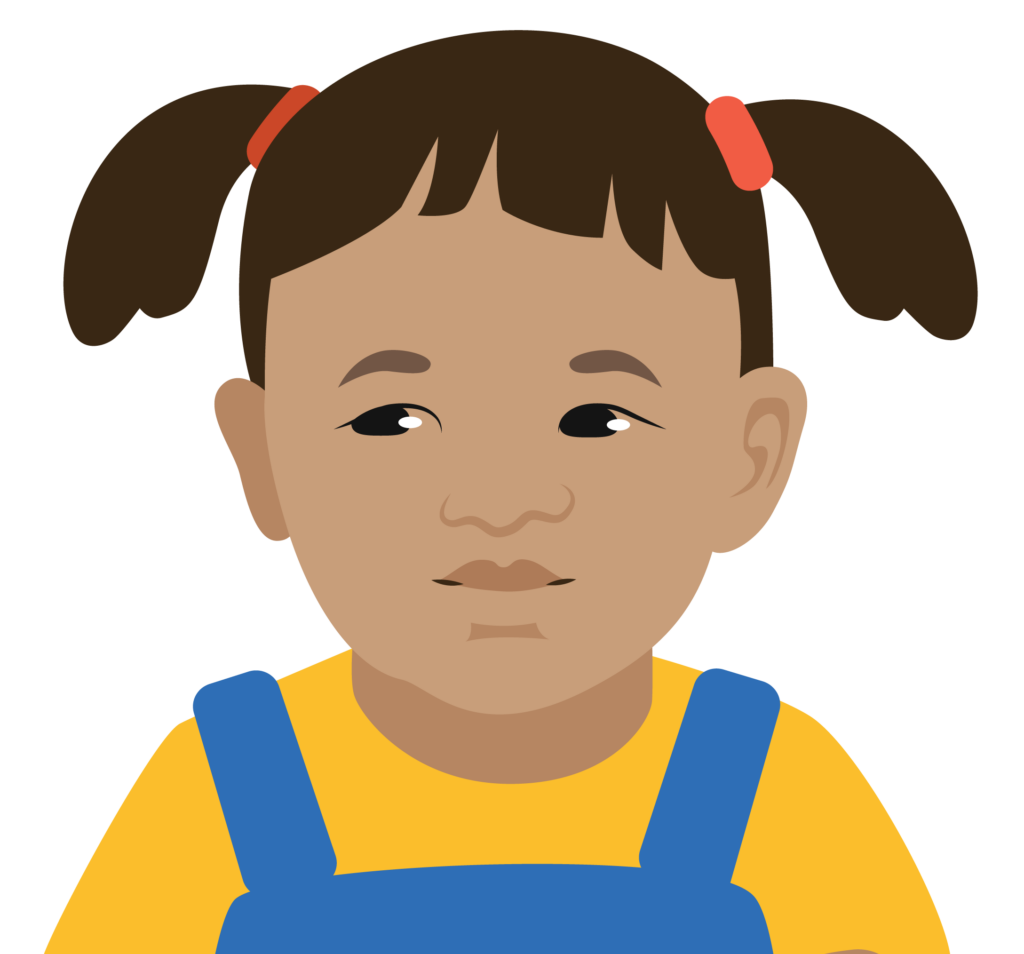
Ella es Suhaila.
Suhaila tiene dos años y vive con su madre, su padre y su perro.
Cuando el perro ladra, ella no responde ni mira en su dirección. Todavía no dice ninguna palabra.
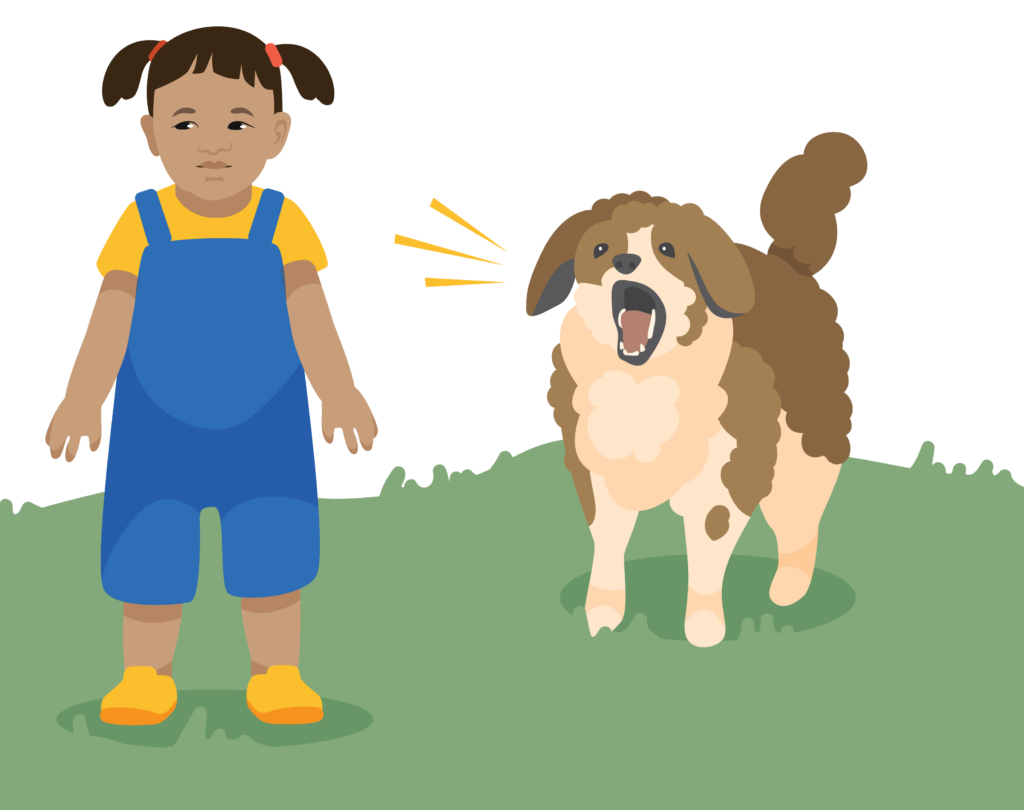
¿Continuaría la evaluación de Suhaila para determinar si necesita aparatos auditivos?
La respuesta “No” es la correcta.
Suhaila tiene menos de cinco años, por lo que debería acudir a un especialista del oído y la audición para que le realice una evaluación.
Para determinar si se necesitan aparatos auditivos, es necesario hacer una prueba de la capacidad auditiva.
Antes de llevar a cabo la prueba de la capacidad auditiva a un niño, se recomienda hacer una exploración de la salud auditiva para comprobar que ambos oídos estén sanos.
Los problemas de oído pueden afectar capacidad de audición del niño. Muchos de estos problemas se pueden tratar y la audición se puede mejorar o recuperar por completo.
Medición de la pérdida de la capacidad auditiva
Los niños con pérdida de la capacidad auditiva no oyen tan bien como los que tienen una audición normal.
Los resultados de una prueba de la capacidad auditiva se clasifican en seis niveles diferentes para cada oído.
| Grado | Promedio | Recomendación |
| Dentro de los parámetros normales | Promedio inferior a 20 dB | Adultos y niños: no necesitan aparatos auditivos. Enséñeles a cuidar sus oídos y evalúe de nuevo al cabo de un año o antes, si la persona o una persona a cargo de los cuidados de otra notan algún cambio en la audición o en la salud de los oídos. |
| Pérdida auditiva leve. | Promedio entre 20 y 34 dB | Niños: colocación de un aparato auditivo. Adultos: hacer un seguimiento y volver a evaluar al cabo de un año. Educación sobre cómo cuidar los oídos. |
| Pérdida auditiva moderada. | Promedio entre 35 y 49 dB | Adultos y niños: colocación de aparatos auditivos. |
| Pérdida auditiva moderadamente grave. | Promedio entre 50 y 64 dB | Adultos y niños: colocación de aparatos auditivos. |
| Pérdida auditiva grave. | Promedio entre 65 y 79 dB | Niños: derivar a un especialista de oído y la audición. Adultos: colocación de aparatos auditivos. |
| Pérdida auditiva profunda. | Promedio superior a 80 dB | Adultos y niños: derive a un especialista del oído y la audición. |
Pregunta
¿En qué grados de pérdida auditiva recomendaría que se provea aparatos auditivos a los niños?
Seleccione tres respuestas.
¡Los grados de pérdida auditiva leve, moderada y moderadamente grave son correctos!
La pérdida auditiva leve puede afectar el desarrollo del lenguaje del niño y su capacidad de aprendizaje. Es importante recomendar el uso de aparatos auditivos cuando la pérdida auditiva es de leve a moderadamente grave.
Los niños con pérdida auditiva grave y profunda tienen necesidades más complejas y deben ser derivados a un especialista del oído y la audición.
Discusión
¿Conoce algún niño que use aparatos auditivos? ¿De qué forma los ayudan en su vida cotidiana?
Aparatos auditivos programables
Si un niño o niña tiene pérdida auditiva, se recomienda el uso de aparatos auditivos programables.
Este tipo de aparato auditivo también es una opción para las personas adultas.
Instrucciones
Si una persona adulta necesita aparatos auditivos programables: derívela a un especialista del oído y la audición.
Piezas
Instrucciones
Ponga a prueba sus conocimientos sobre las piezas que conforman los aparatos auditivos en esta actividad.
Actividad
En cuanto a los aparatos auditivos programables disponibles en su servicio, ¿logra ubicar las siguientes piezas del aparato auditivo?
- Micrófono.
- Codo.
- Molde auditivo.
- Pila.
- Control del volumen.
- Cambio de programa.
- ¿Dónde está el punto de conexión de programación?
- ¿Cómo se conecta el aparato auditivo al teléfono, la tableta o al computador?
Utilice el manual del producto para encontrar las respuestas a estas preguntas.
Instrucciones
Si tiene dudas sobre alguna de las piezas o su función, revise la lección 1 del módulo “Aparatos auditivos preprogramados” del TAP.
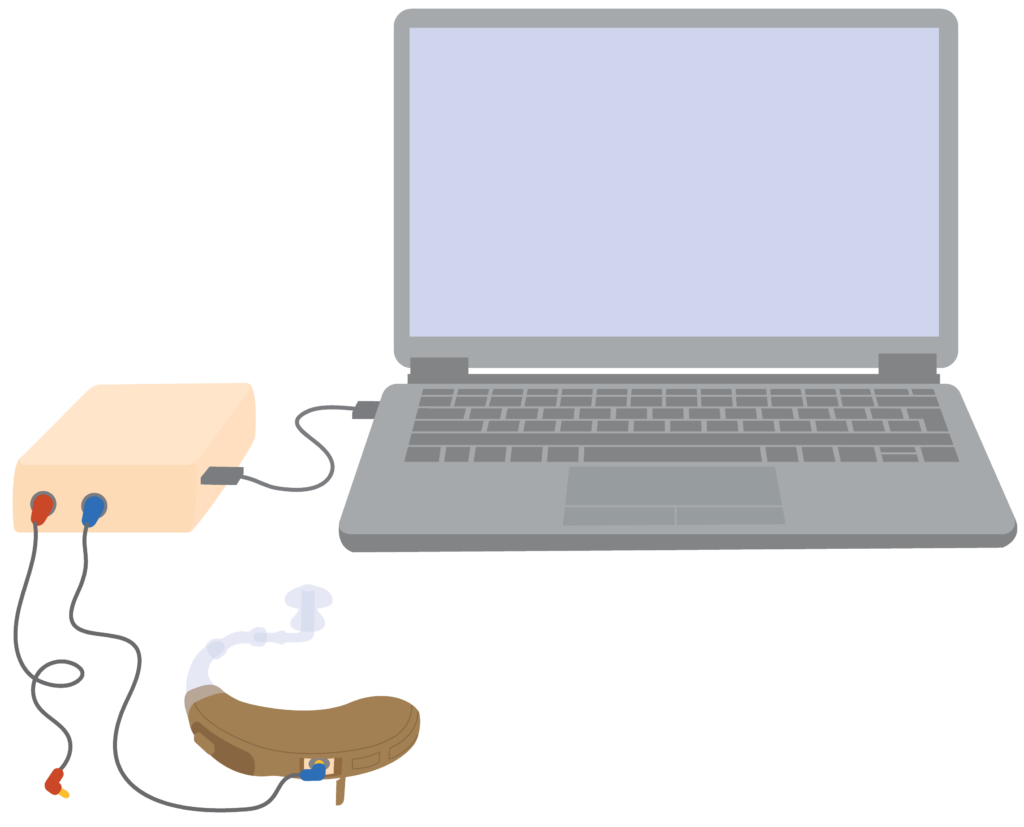
Ajustes para los aparatos auditivos programables
Los aparatos auditivos programables se ajustan en función de las necesidades de cada persona.
Se pueden ajustar mediante:
- un software de computadora;
- una aplicación.
Ofrecen unciones de programación adicionales para que los sonidos sean más nítidos. Esto importa ya que favorece el aprendizaje y el desarrollo del lenguaje de los niños.
Pregunta
¿Qué tipo de aparato auditivo se recomienda para los niños?
Seleccione una respuesta.
Si ha seleccionado la opción b, ¡está en lo correcto!
A los niños se les deben proveer aparatos auditivos programables para ambos oídos.