Instruction
The fourth step in providing assistive products is to follow up to make sure that the assistive product is still meeting a person’s needs.
Purpose of follow up
A follow up for near vision spectacles will help you to find out whether:
- The near vision spectacles are meeting the person’s needs
- The near vision spectacles need repair or replacing
- The near vision spectacles still fit
- The person needs reminding how to use and take care of the near vision spectacles
- The person needs referral to another service.
What to ask during follow up
Ask questions to find out if the near vision spectacles are still meeting the person’s needs:
- How is their general health?
- Are they using their near vision spectacles?
- Do they have problems using their near vision spectacles?
- Do they have any questions?
If the person is not using their near vision spectacles or has any problems using them, find out why.
You can then try to find a solution together.
Question
What are some reasons why a person may not be using their near vision spectacles?
- They can no longer see clearly with the near vision spectacles
- The near vision spectacles are broken
- The near vision spectacles do not fit
- They have health problems that are affecting their vision.
As people get older, their vision can continue to change. They may need stronger near vision spectacles. They may also experience other vision problems.
If at follow up a person cannot see as they did before, re-do the TAP vision screen to check the person’s eye health, distance and near vision.
If the vision screen suggests near vision spectacles are still appropriate, re-check the best power for the person. They may need a stronger power.
Instruction
If the vision screen identifies any other vision or eye health problems, take the recommended actions.
Maintenance or replacing
Near vision spectacles can become damaged over time. As their condition worsens they become harder to use and sometimes less comfortable to wear.
Question
What are some common ways that near vision spectacles become damaged?
- Lenses become scratched
- Screws loosen and fall out
- Frame breaks and/or arm falls off
- Nose pads loosen or fall off
- Frame feels loose and slips down the person’s nose
During follow up, check the condition and fit of the spectacles.
If the lens is very scratched, or the frame is broken, it may be better to provide a new pair.
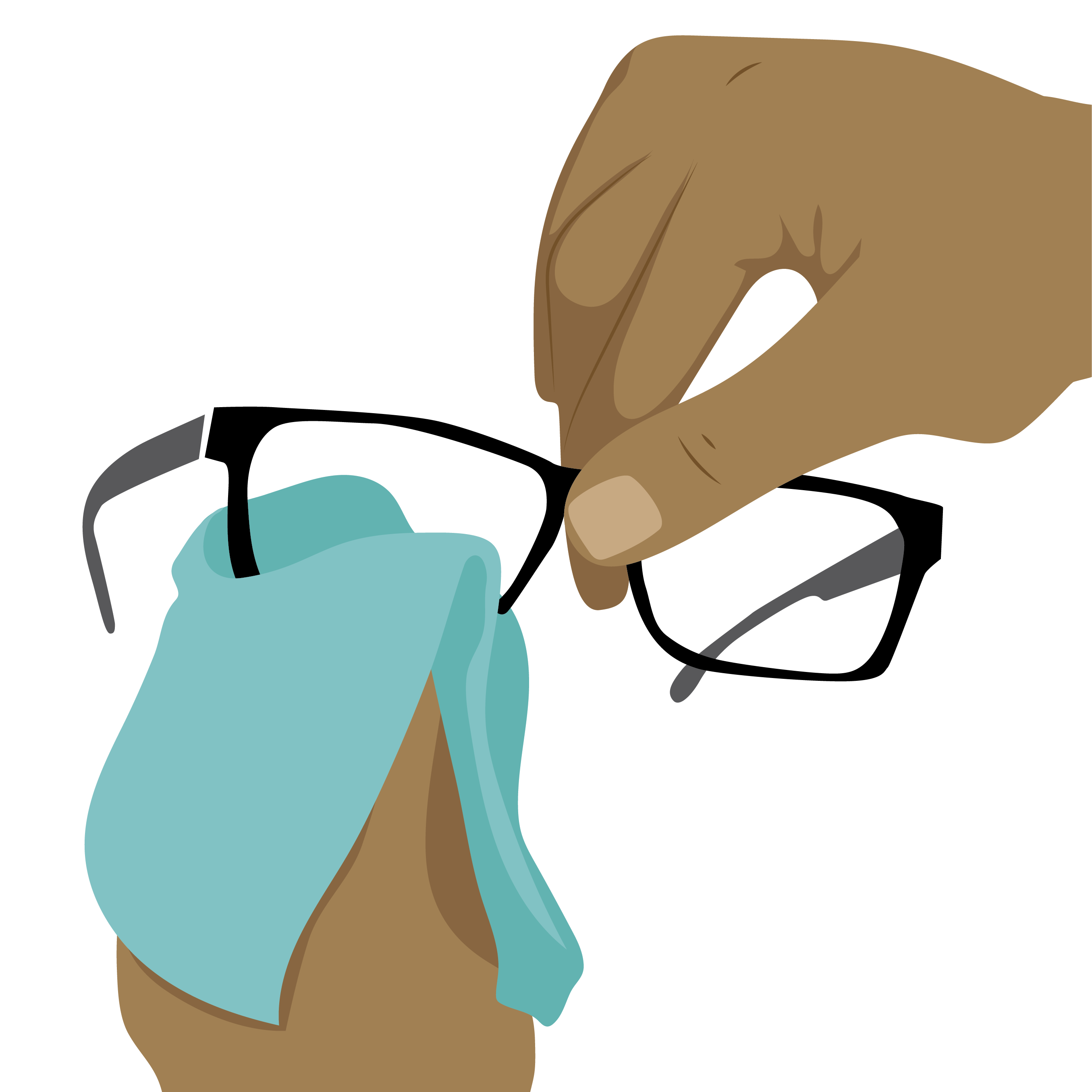
However, there are some things that can be repaired.
Instruction
Read on to learn simple repairs you can carry out or teach to the person if you have the right tools and/or spare parts.
Useful tools and spare parts
Basic maintenance and repair can be managed with the following tools and/or spare parts:
- Mini screwdrivers, matching the screws in the near vision spectacles you are providing
- Magnifier (to help see small screws)
- Spare screws and nose pads
- Water, liquid soap and lint free cleaning cloths.
Tighten and/or replace screws
Tiny screws in the hinge keep the temples in place while allowing them to open and close. There are also screws that hold the nose pads in place.
If the screws loosen, the spectacles may not fit as well and could break.
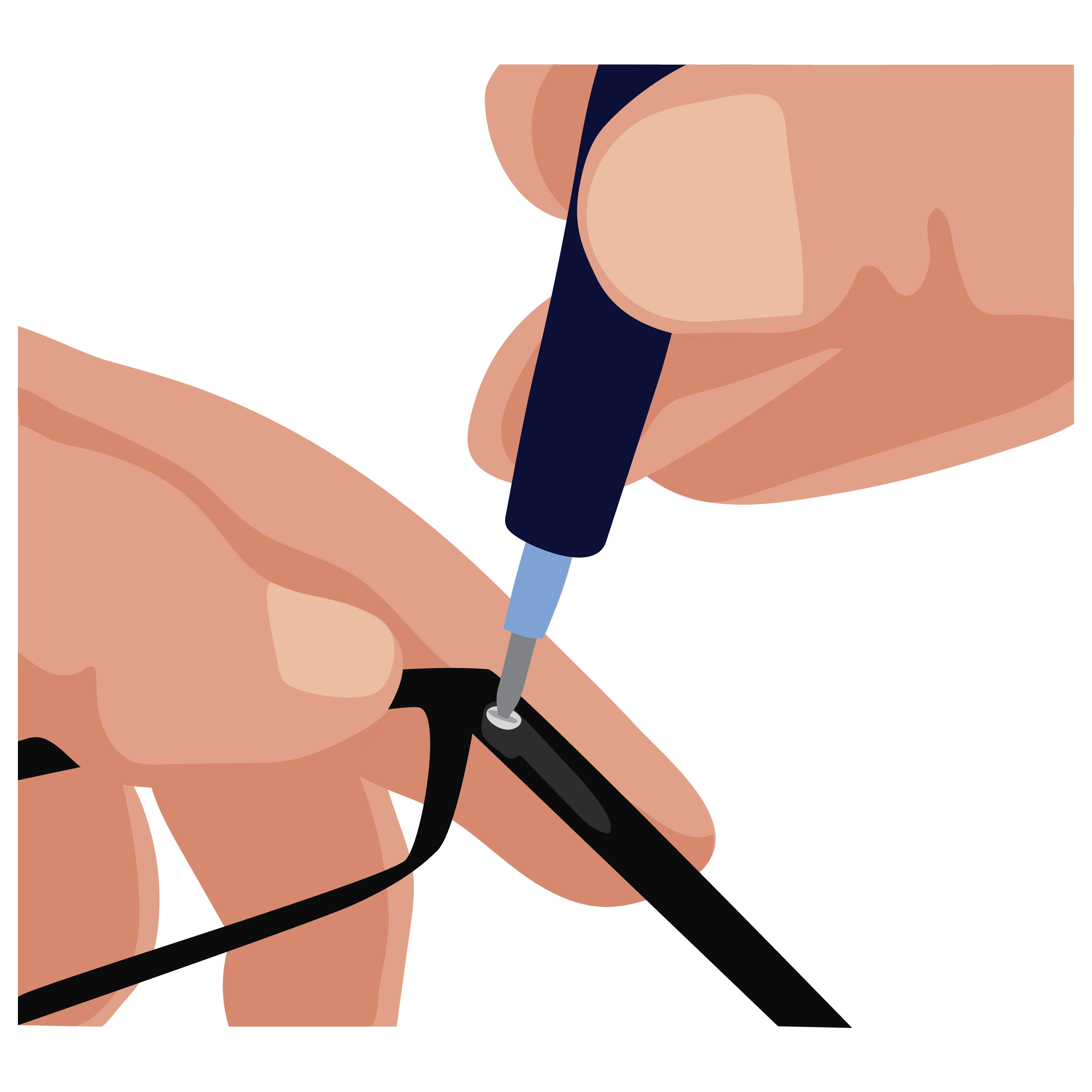
Tighten the screws gently with the appropriately sized screwdriver.
If a screw is lost, replace with a spare screw.
Broken or missing nose pads
- If broken, remove the nose pad (undo the screw that holds it in place).
- Replace the nose pad with a spare.
Activity
Using a spare pair of near vision spectacles, practice:
- Replacing a missing screw in the hinge
- Removing and replacing a nose pad.
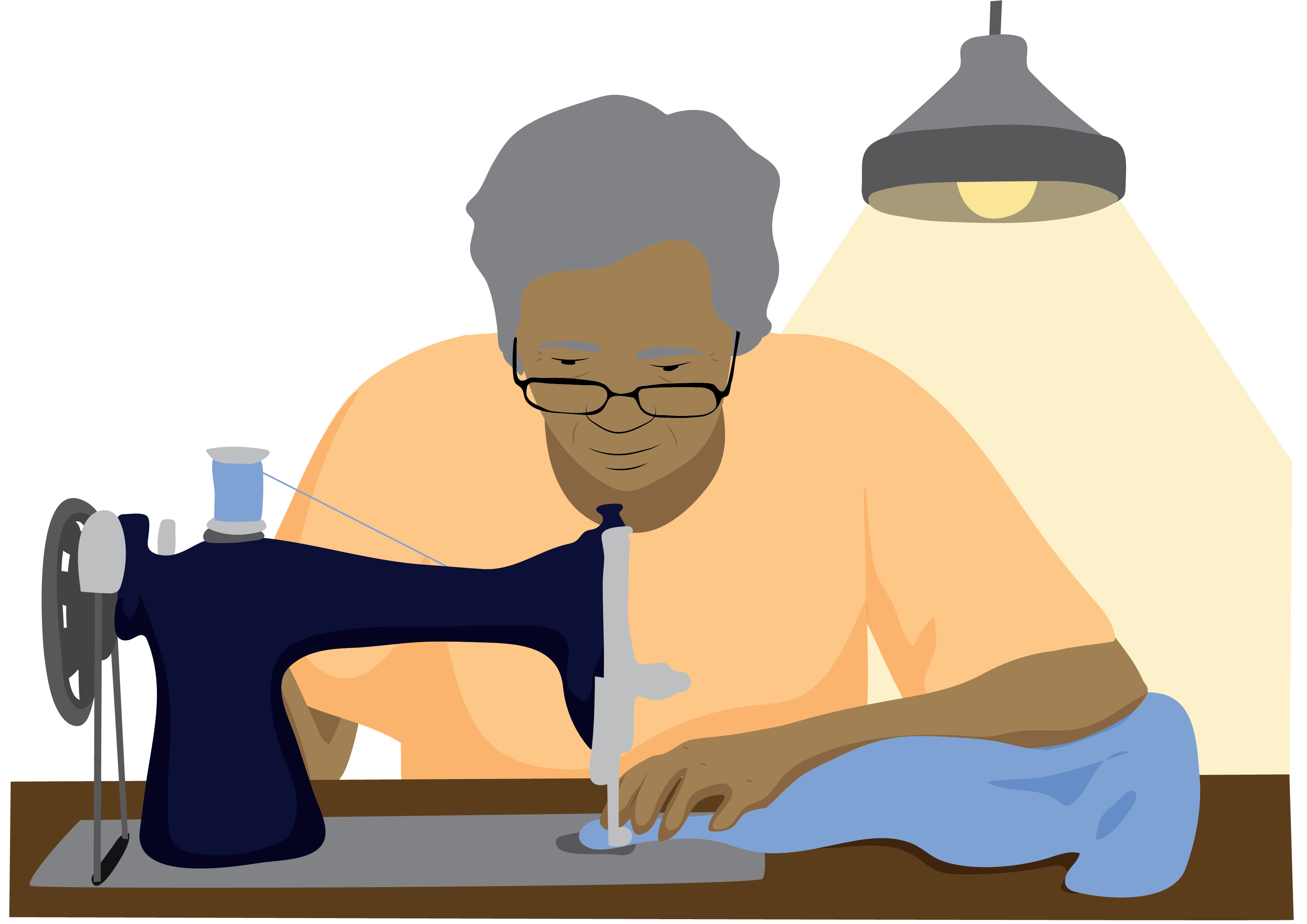
Remember Malik?
Malik is a tailor aged 45. He has been using +1.50 near vision spectacles for 6 months. During follow up, Malik explains that the near vision spectacles are not working as well recently. He is having trouble seeing while he is sewing or reading.
Question
What would you check and what action could you take during follow up?
- Check condition of the near vision spectacles. Make sure that dirt or scratches on the lens aren’t preventing Malik seeing through them. If the near vision spectacles are heavily scratched this could be the cause of Malik’s problems.
Action: Re-do the vision screen to check that there are no other changes for Malik, and then re-select near vision spectacles using the method described in this module. - Check the lighting. Make sure Malik is using his near vision spectacles in a well-lit area.
- Check the power of the near vision spectacles. Malik might need stronger near vision spectacles.
Action: Re-do the TAP vision screen to check that there are no other changes for Malik.
- If the vision screen still suggests near vision spectacles for Malik, re-select near vision spectacles using the method described in this module.
- If the vision screen identifies a different vision problem, refer Malik for further assessment.