When to follow up
Follow up should be done for all people who are using the transfer board long term.
If a person is only using the transfer board short term, follow up should still be done if they have any difficulties using the transfer board.
It is important that people know that they can contact the service at any time if they have a problem with their transfer board.
Usually, a person who uses a transfer board has other assistive products. If you are doing a follow up visit for another assistive product, also check their transfer board.
If the person has any difficulties, follow up is recommended within one week. If the person continues to have difficulties, with their agreement refer for rehabilitation.
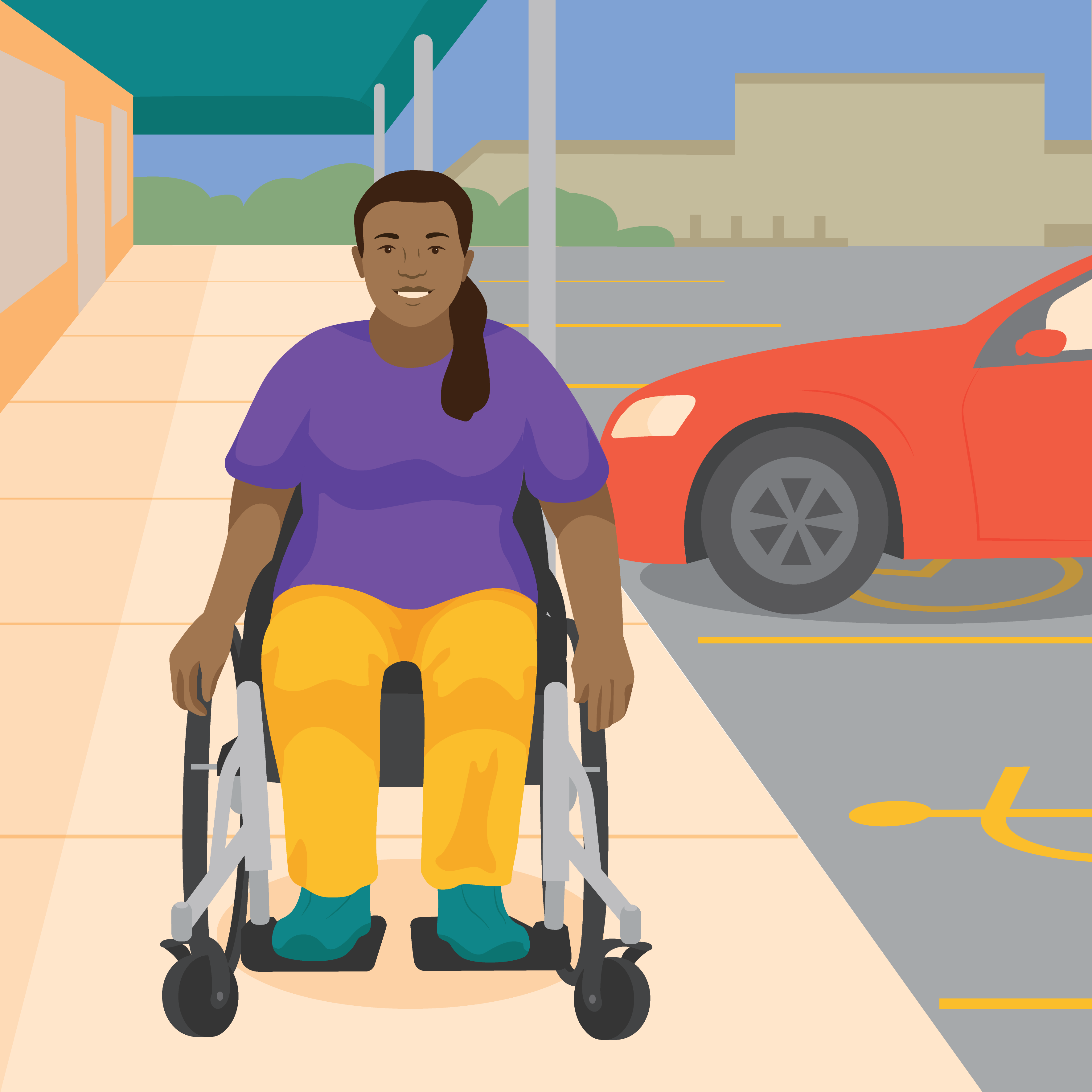
Remember Ejaz?
Ejaz is using a transfer board short term to help her shoulder injury to heal.
A follow up appointment is planned in three weeks to check if her shoulder pain is improving.
Together they decide if her injury is not improving, referral to a rehabilitation service may help.
Purpose of follow up
A follow up will help you find out:
- If the transfer board is still meeting the person’s needs
- If the transfer board needs replacing.
Ask the person the following questions to help you understand if the transfer board is still meeting their needs:
- Are you using your transfer board?
- Do you have any problems using your transfer board?
If the person is not using their transfer board or has difficulty, find out why.
It may be helpful for them to demonstrate a transfer using the transfer board. You can then find a solution together.
Follow up actions
Use the information that you collect to decide with the person if any actions are needed. Common actions are:
- Simple maintenance and repairs
- Teaching how to use or refreshing particular steps
- Referral to another service
- Assessment for another assistive product.
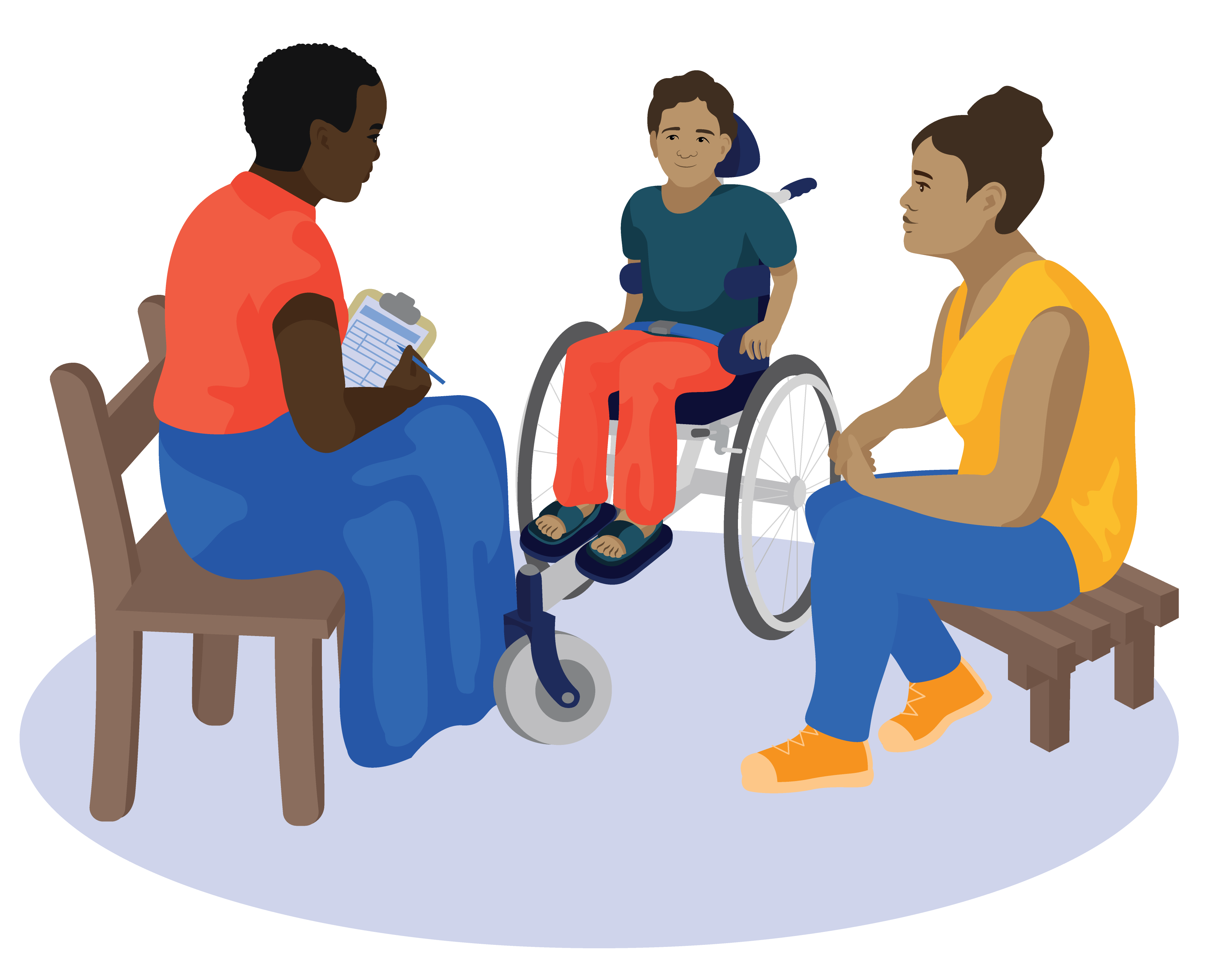
Remember Firoz?
Firoz is attending a follow up appointment with his mother
When checking the transfer board, you notice a roughened area on the top surface of his wooden board.
You show the roughened area to Firoz and his mother and explain how to smooth it out using sandpaper and apply a coat of varnish.
Replacing the transfer board
The transfer board should be replaced if cracks are found.
Question
You are visiting Maria and her daughter Lisa for a follow up appointment and discover her transfer board has a crack through the middle on one side.
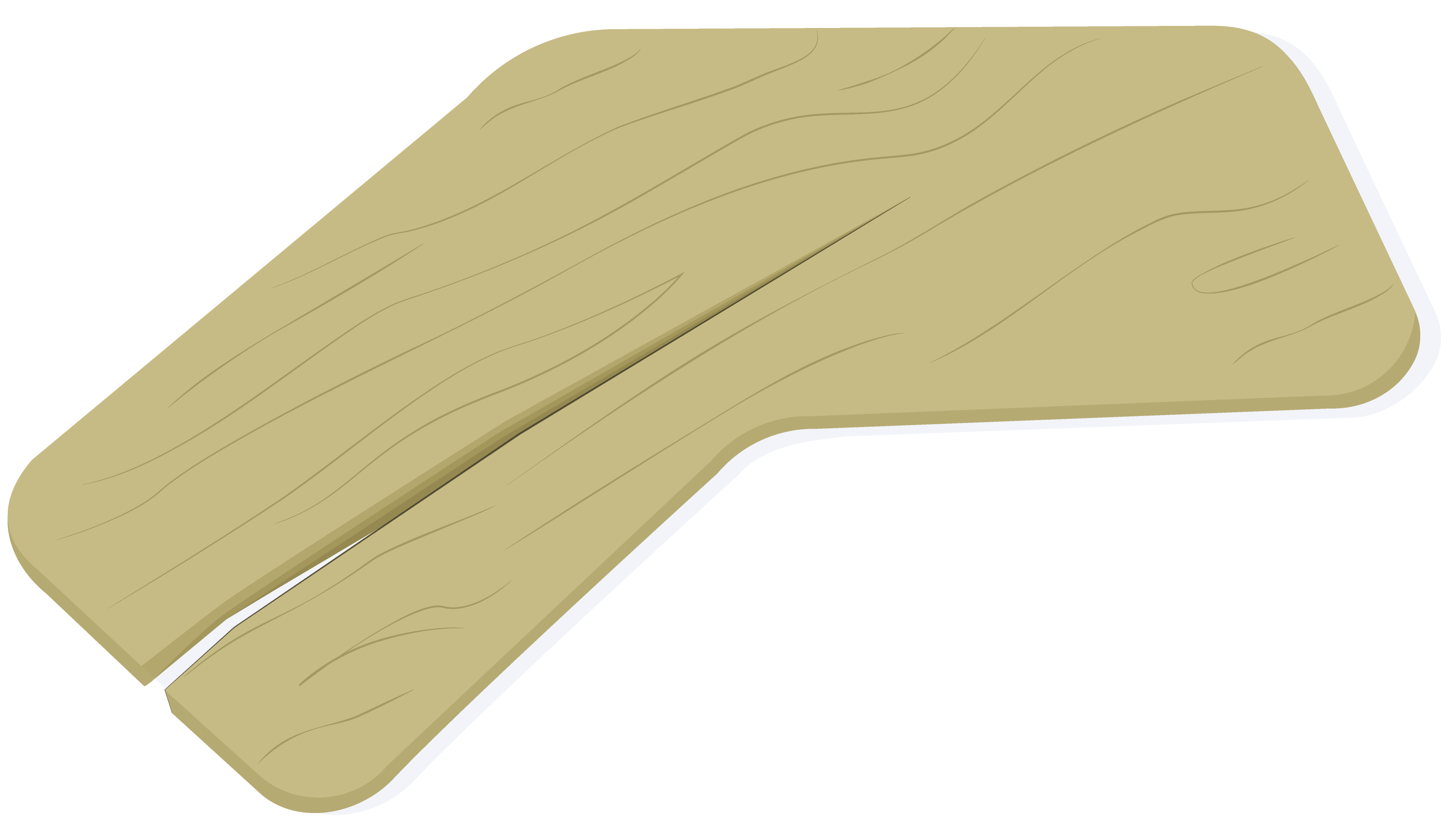
What action would you take?
Incorrect!
The board is no longer safe and should not be used again.
Correct!
A crack across the middle is dangerous. The transfer board should be replaced.
Incorrect!
Sanding rough edges is not enough to make the board safe. The transfer board should be replaced.
Teaching how to use
The person and their caregiver may need further training on how to use the transfer board.
Question
Remember Firoz?
Firoz uses a transfer board and his mother helps him to transfer.
During follow up you ask Firoz ‘Do you have any problems using your transfer board?’
Firoz explains he feels stronger but is still having difficulty when using the transfer board in the toilet.
You ask Firoz and his mother to show you the toilet transfer to help work out a solution together.
Firoz explains he feels worried he might fall over when transferring on to the toilet seat.
You explain other assistive products may help.
Which assistive products may assist Firoz to feel more confident transferring to the toilet?
Select all that apply.
If you selected a and b, you are correct!
Assessment for a toilet chair or grab bar may assist Firoz to feel safer when transferring to the toilet seat.
Referral
Refer to a health professional if:
- You are worried about the person’s health
- Their ability to move has changed recently.
Refer to a rehabilitation service if the person could benefit from rehabilitation to help them manage their ability to transfer.
If Firoz and his mother do not feel confident transferring to the toilet after assessment for other assistive products, their health worker should discuss referral to a rehabilitation service.