In this topic you will learn more about the transfer boards covered in TAP.
Important features
To be safe and effective, all transfer boards should:
- Be strong and durable
- Be specified to carry the weight of the user
- Have a smooth top surface
- Have a non-slip base
- Have rounded edges.
Strong and durable
The board must be made of materials that can safely support a person’s body weight as they move across the board.
Weight rating
Transfer boards should come with a recommended weight rating.
This is the maximum weight the transfer board can safely support.
Depending on the manufacturer, transfer boards typically have a weight rating from 120 kilograms to 180 kilograms.
Always check the weight rating of a transfer board before providing it to the person.
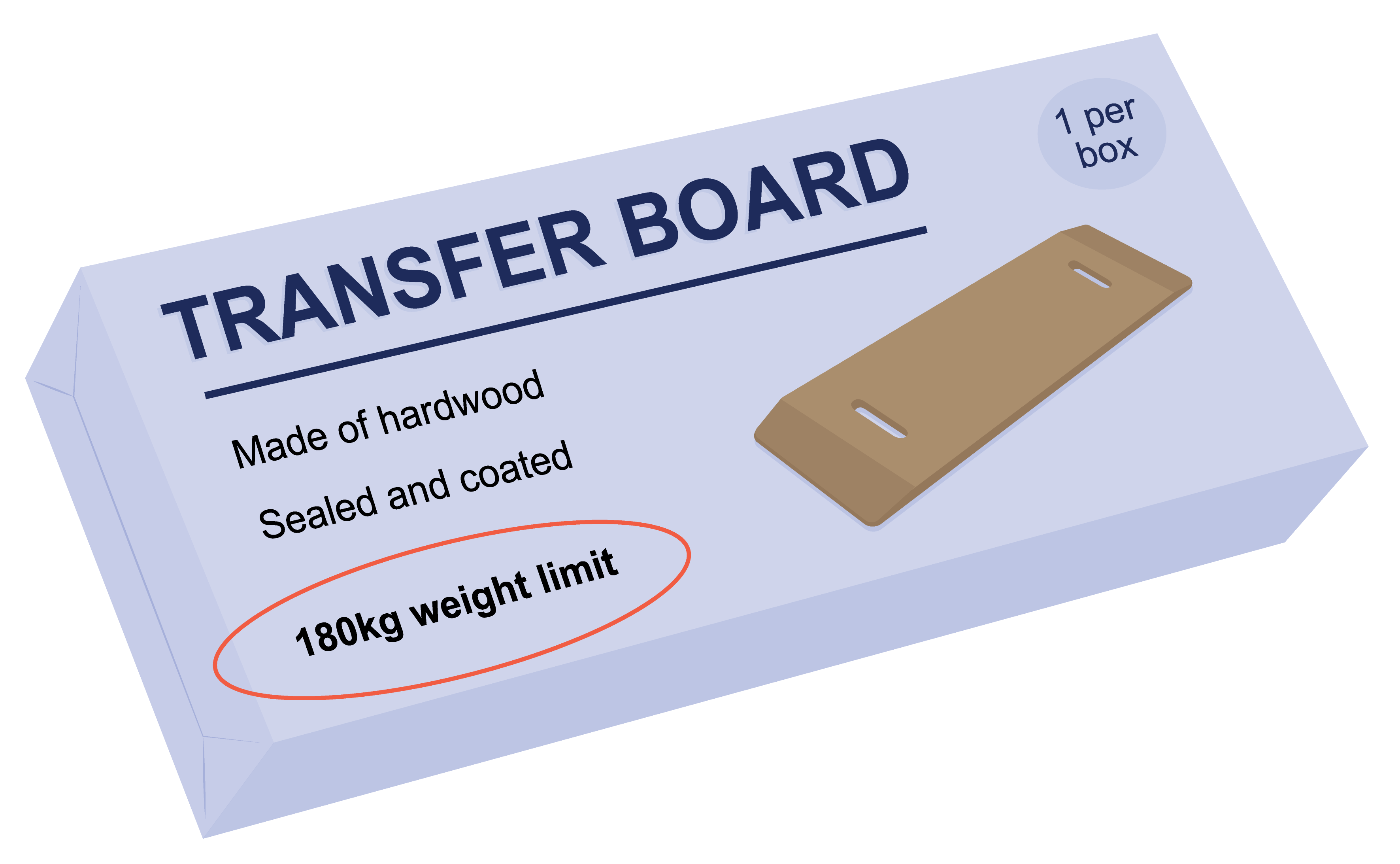
Transfer boards which are made to support a person’s weight of over 180 kilograms (kg) are not included in TAP.
Question
You are providing a transfer board for a person who weighs 85 kilograms.
The transfer board you have available has a weight rating of 100 kilograms.
Is that weight rating suitable for the person?
Yes is correct!
The weight rating is suitable for the person, because the weight rating is higher than the person’s weight.
It is not safe to provide a transfer board if the person’s weight is greater than the weight rating of the transfer board.
Smooth top surface
A smooth top surface makes it easier and safer for a person to move across the board.
A smooth surface will decrease the risk of rubbing or dragging, which may damage the person’s skin and cause a wound.

Non-slip base
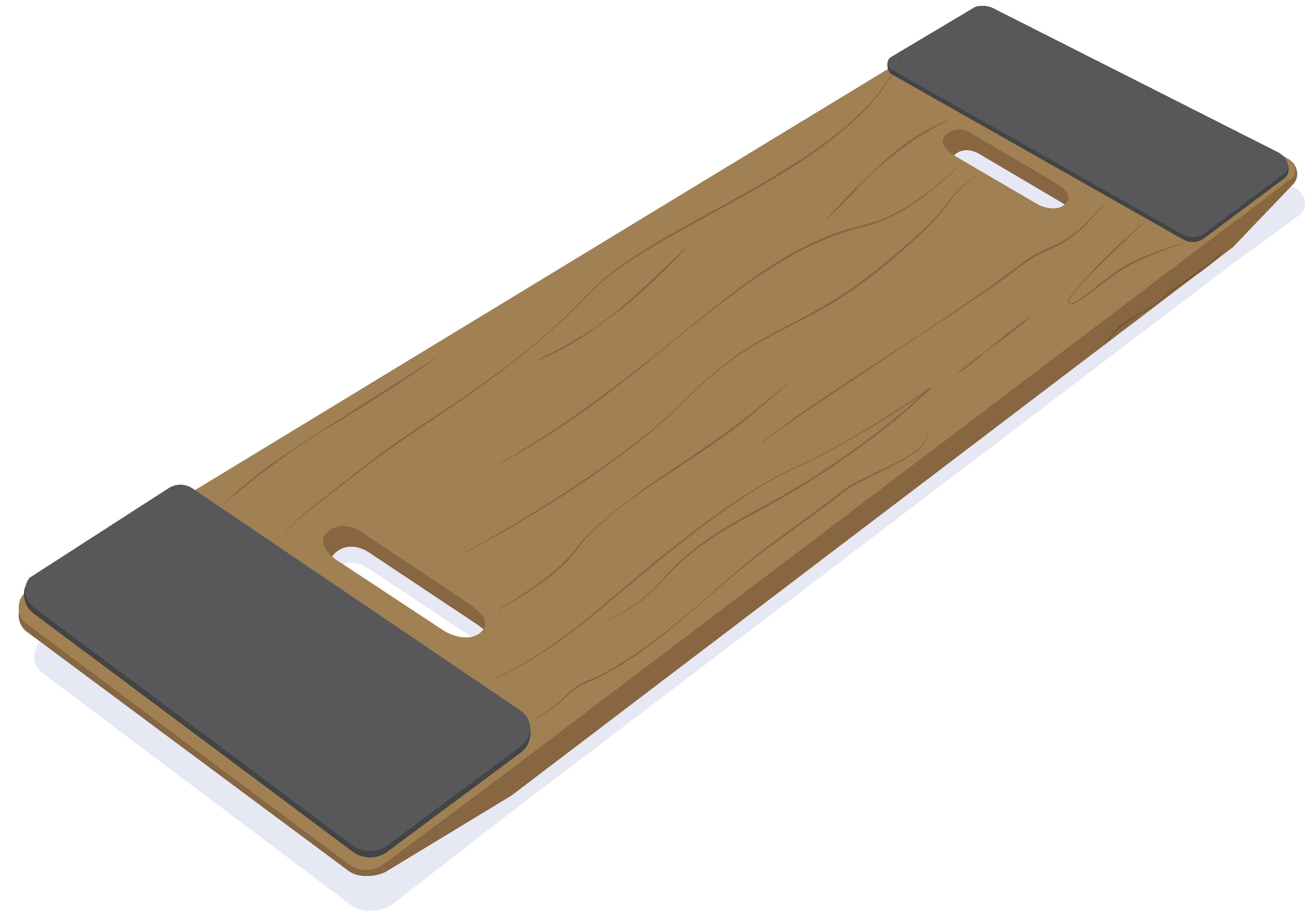
A non-slip base helps keep the transfer board securely in place during transfers. The bottom surface of the transfer board should provide grip and stop the board from slipping.
Rounded edges
All corners and edges should be rounded. Sharp edges can bruise or damage a person’s skin.
Other features
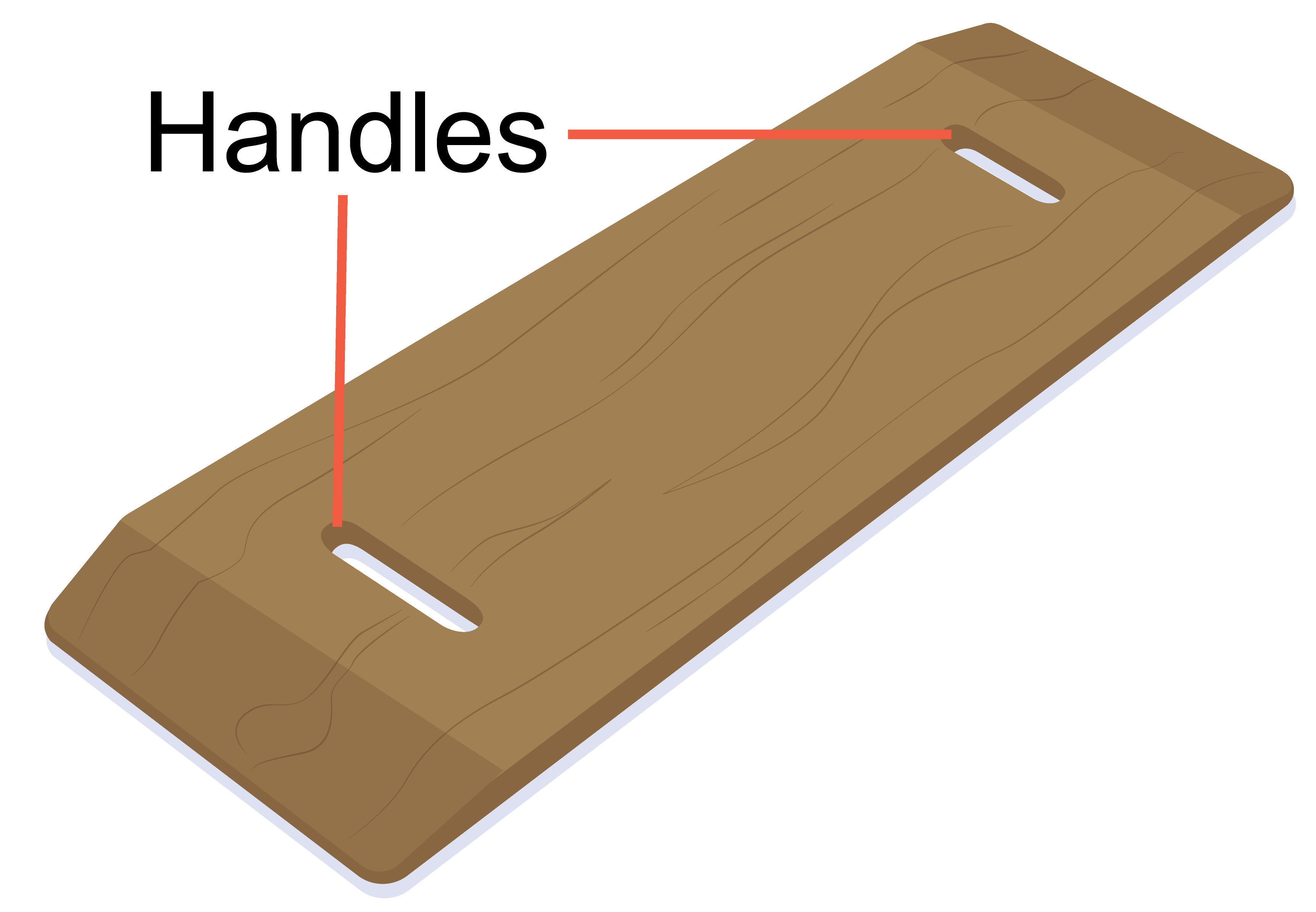
Handles
Some transfer boards have holes cut out to help the person:
- Hold
- Position the board.
Lightweight
Transfer boards made from lightweight materials are useful for people who have:
- Less strength in their arms
- Difficulty using their hands.
Question
Meet Maria
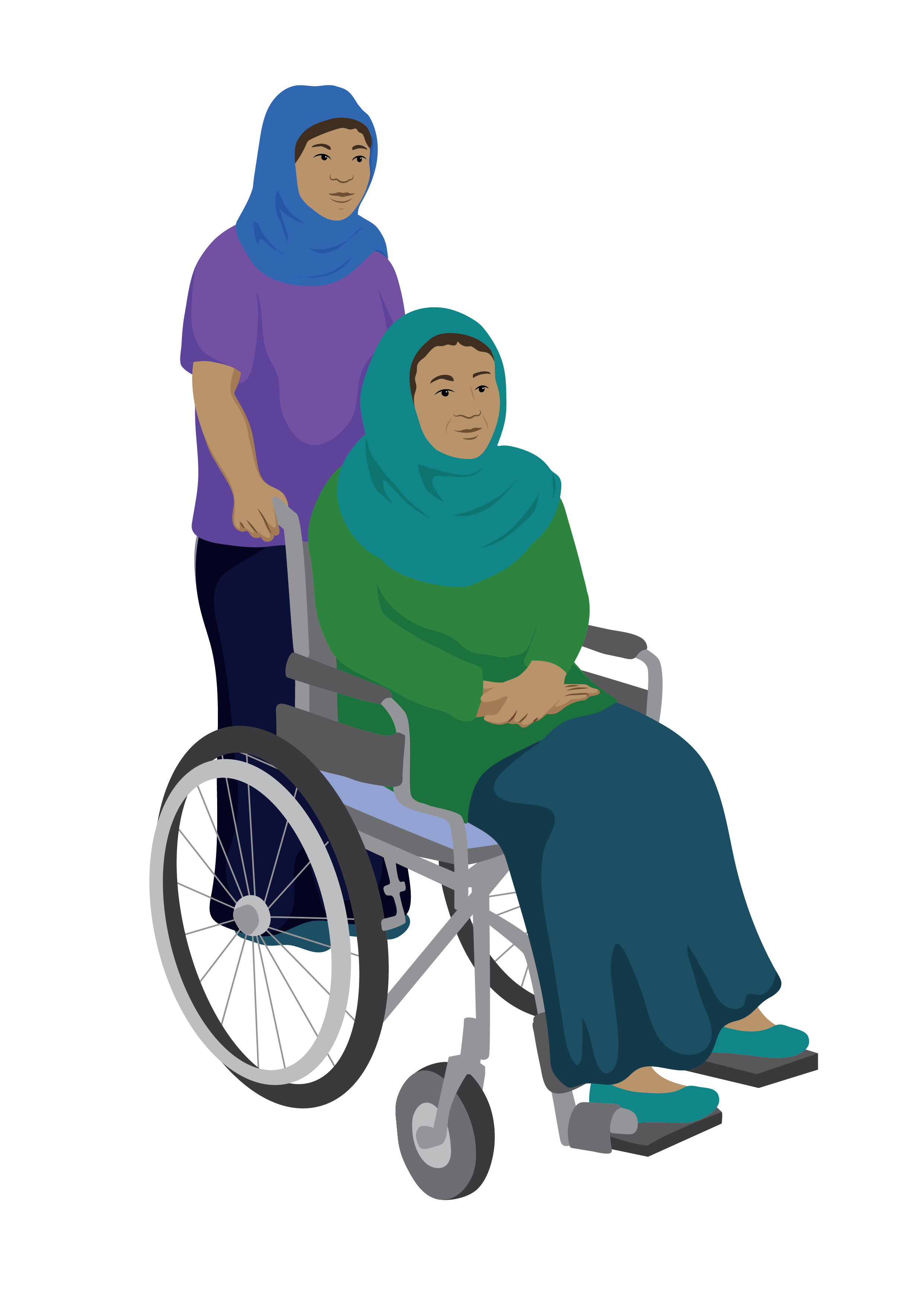
Maria has multiple sclerosis. This health condition affects the nerves in her brain and spinal cord. She uses a wheelchair to move around, and has difficulty using her hands. Maria’s daughter Lisa assists her.
Which features would assist Maria to move and position the transfer board?
Select all that apply.
If you selected a and b, you are correct!
A lightweight transfer board with handles will be easier to lift and move for people with difficulty using their hands and arms.
Shape and length
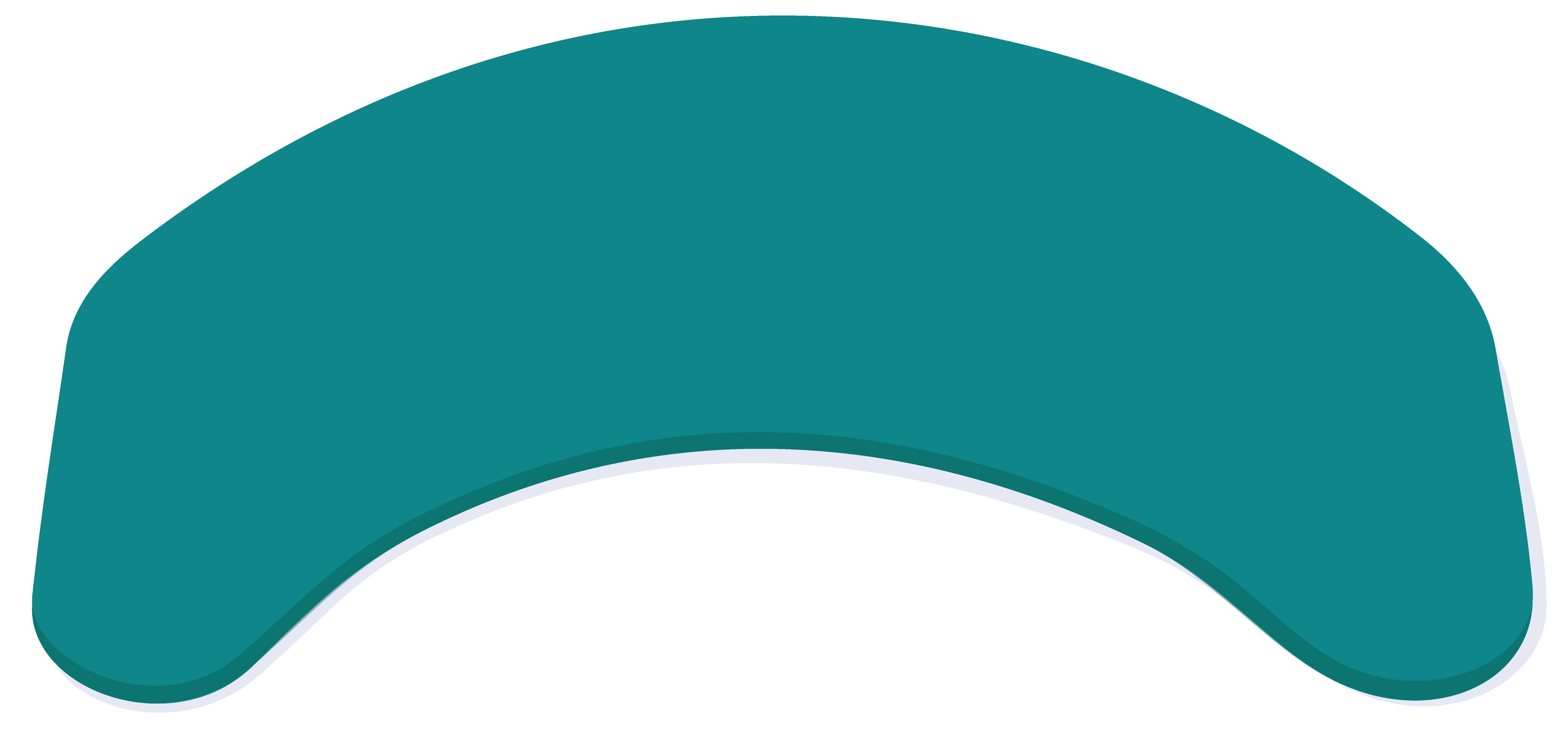
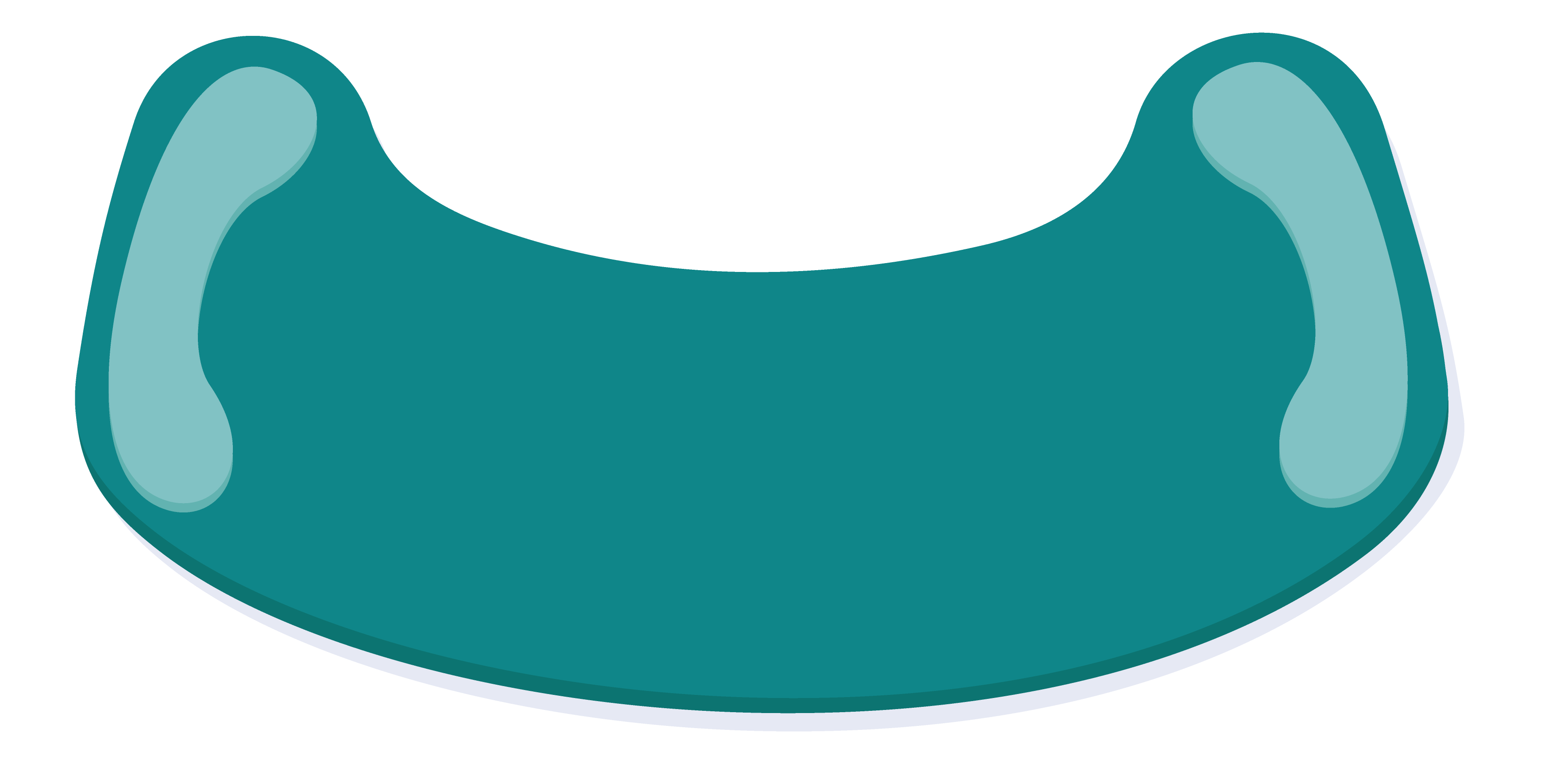
Transfer boards may be straight or shaped. Consider the environment where the person is transferring when choosing a transfer board.
Shaped transfer boards may be easier to position around obstacles, such as fixed arm rests or brake handles.
It is important that the selected board sits safely between both surfaces so that the board will not move during the transfer. Ensure that the board is a suitable length to be positioned safely.
Straight wooden transfer board
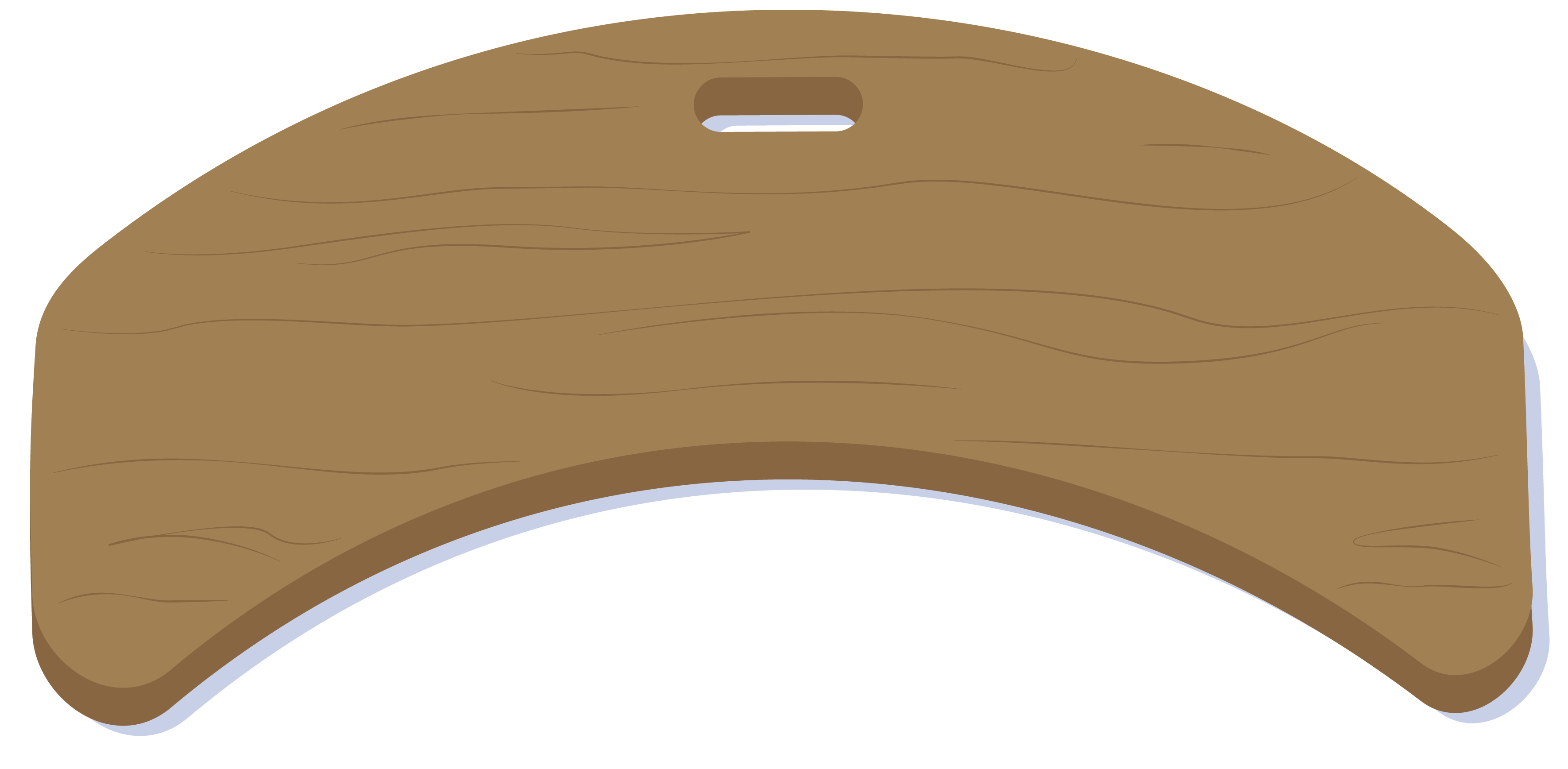
Curve shaped wooden transfer board
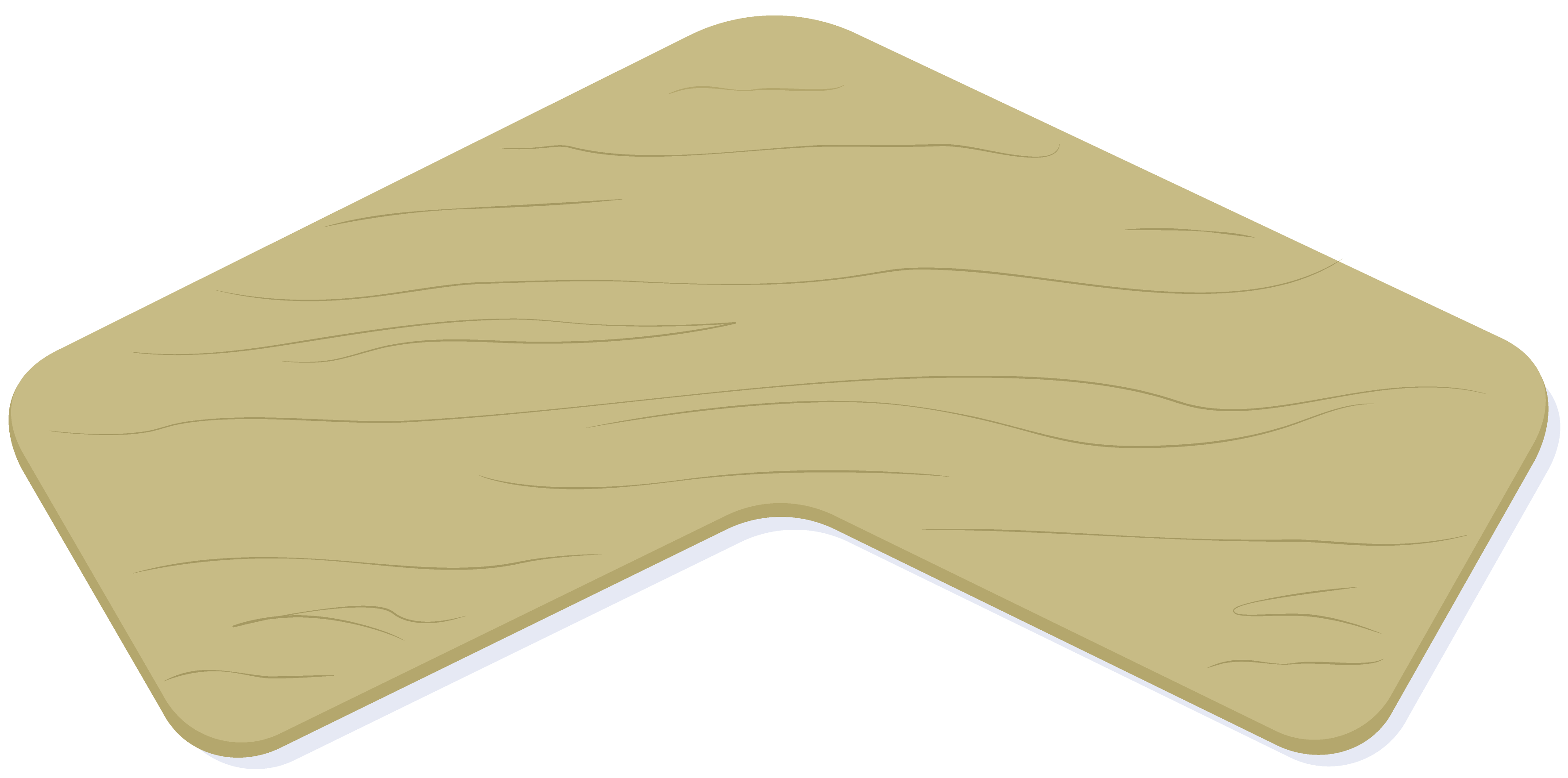 V shaped wooden transfer board
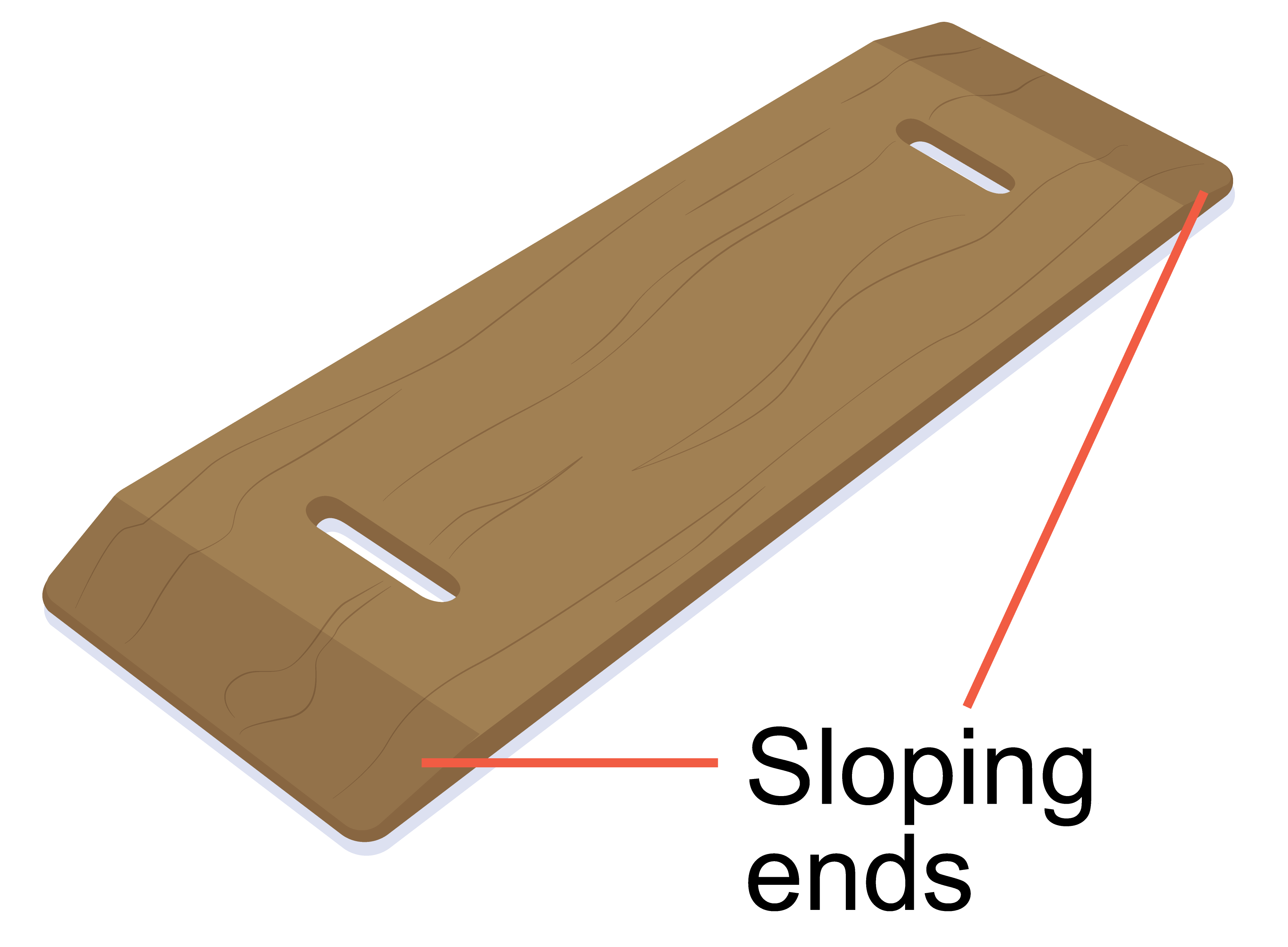
Sloping ends
Some transfer boards have sloped ends that make it easier for the person to lift their buttocks onto the board. This also helps avoid skin damage from knocking the edge of the board.
Activity
Look closely at the transfer boards available at your service or in your local area.
- How many of the important features listed above does each transfer board have?
- How many of the other features does each transfer board have?
- Do the transfer boards have other features not listed above?
- Which are the lightest weight transfer boards?
- Check the weight rating.
Tip: The weight rating may be written on the transfer board box or you may find it on a supplier webpage.
Post your thoughts about the features of transfer boards available in your service or local area.