When to follow up
A follow up plan should be made for all people who are using a wheelchair long term.
A follow up might be done more regularly for a temporary or long term wheelchair user if the person has needs that are changing quickly.
Priority follow up
People who need a priority follow up plan are those who:
- Are at risk of pressure wounds
- Require extra support to sit upright and in comfort
- People and caregivers who had difficulty with any of the instructions.
Question
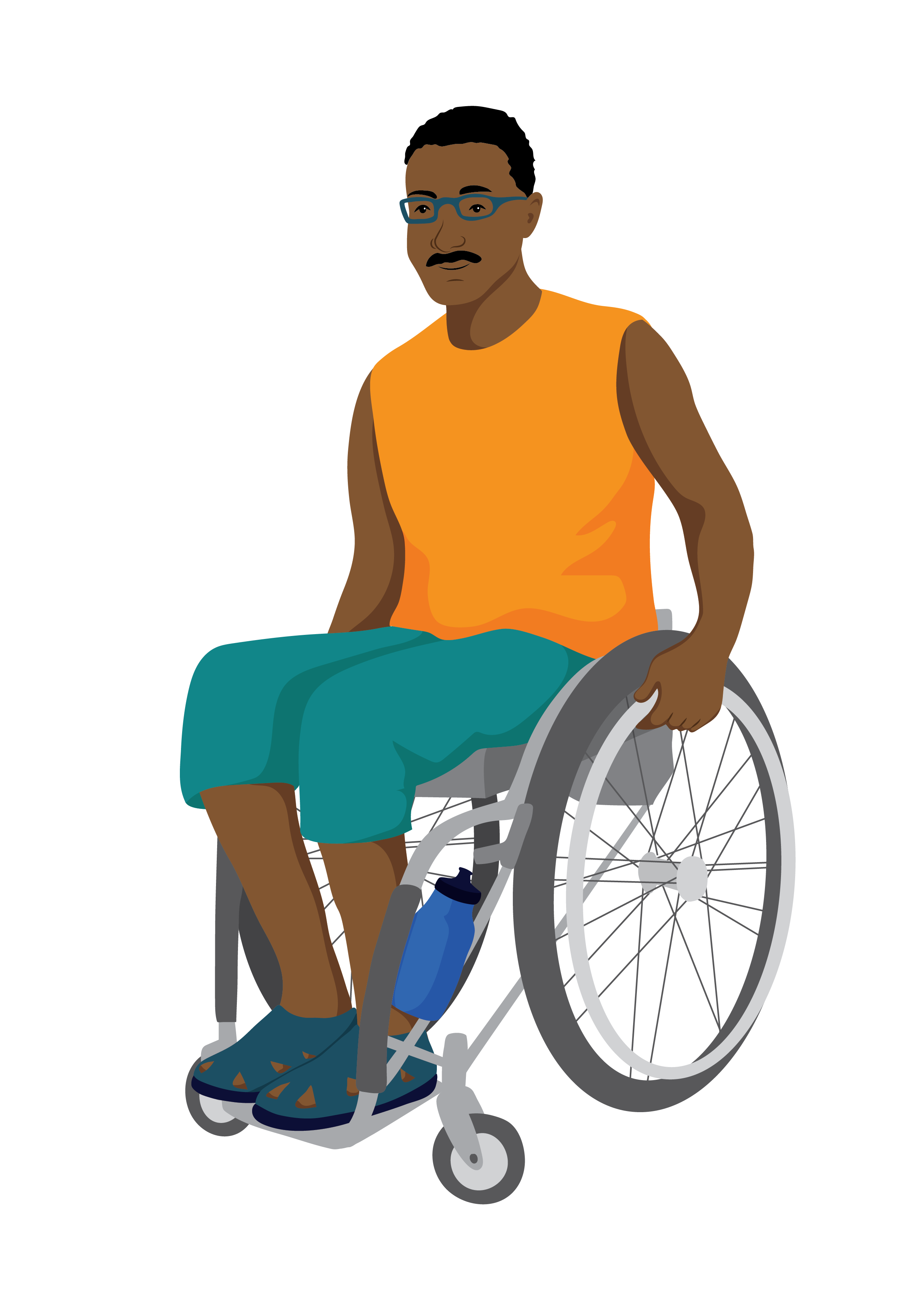
Remember Peter?
Peter has a spinal cord injury and his legs are paralysed. He has no feeling (sensation) below his waist.
He has been using a wheelchair, catheter and some other assistive products for many years.
Peter has been assessed for a new wheelchair in an emergency.
Does Peter need priority follow up?
Yes is correct!
Peter has no feeling (sensation) below his waist. He is at risk of pressure wounds and should be a priority for follow up.
Although Peter is an experienced wheelchair user, he is still at high risk in an emergency situation.
All children require ongoing follow up. They are still growing and their needs can change quickly.

Remember Ishadi?
Ishadi is 10 years old and has cerebral palsy. She lives with her mother, and father in a temporary camp.
Ishadi had difficulty sitting upright when assessed for a wheelchair. She needs extra support to sit safely and a priority follow up plan.
Check the wheelchair is still suitable
Check the wheelchair and cushion is meeting the person’s needs:
- Talk to the person about their health and ability to use the wheelchair in their environment. If the person is having difficulty using their wheelchair, provide further training.
- Check the fit of the wheelchair.
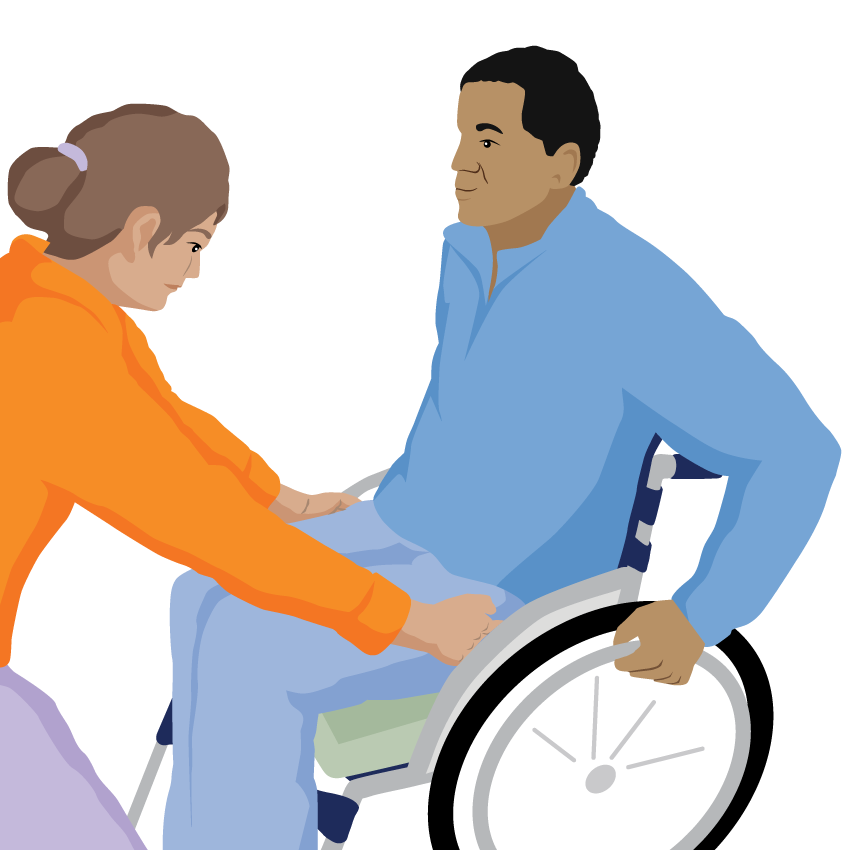
Check the condition of the wheelchair and cushion
Use the wheelchair safe and ready checklist to see if anything is worn out or broken. If it is, carry out minor repairs or home maintenance.
For more major repairs a local bicycle repair shop or welder may be able to help.
If it is not possible to repair the wheelchair, it should be replaced.
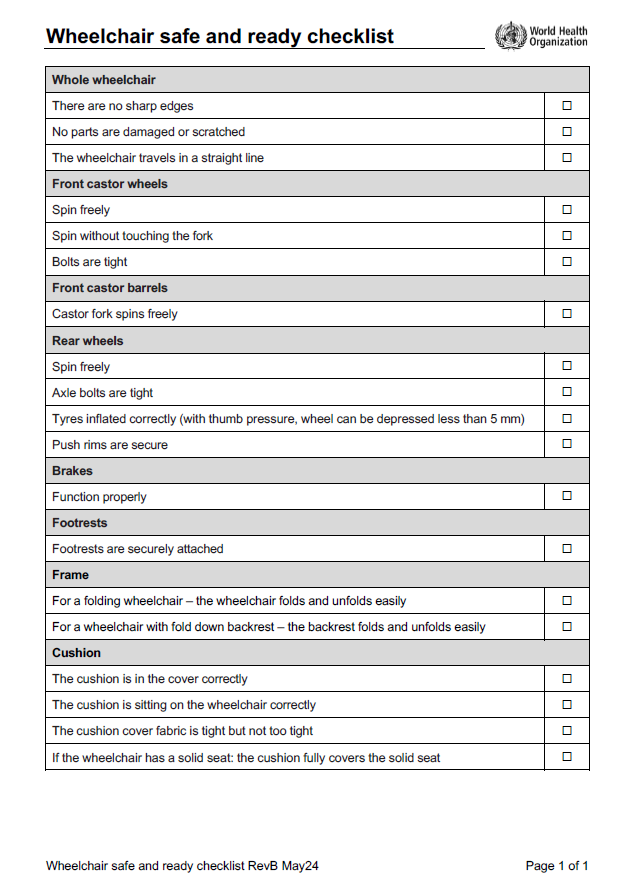
Check the cushion is comfortable and the person is checking their skin regularly.
If there are problems with the wheelchair and cushion, they should be repaired or replaced.
If the product is repaired or replaced, it should be fitted and adjusted again to be suitable for the person.
Long term follow up
In some places there may not have been a wheelchair service before the emergency.
People who need to use a wheelchair long term will require follow up after the emergency.
Planning should start as soon as possible.
People may move around a lot during emergencies. Having more than one set of contact details is useful.
Also, provide the person with information about how to contact the service if they need follow up.
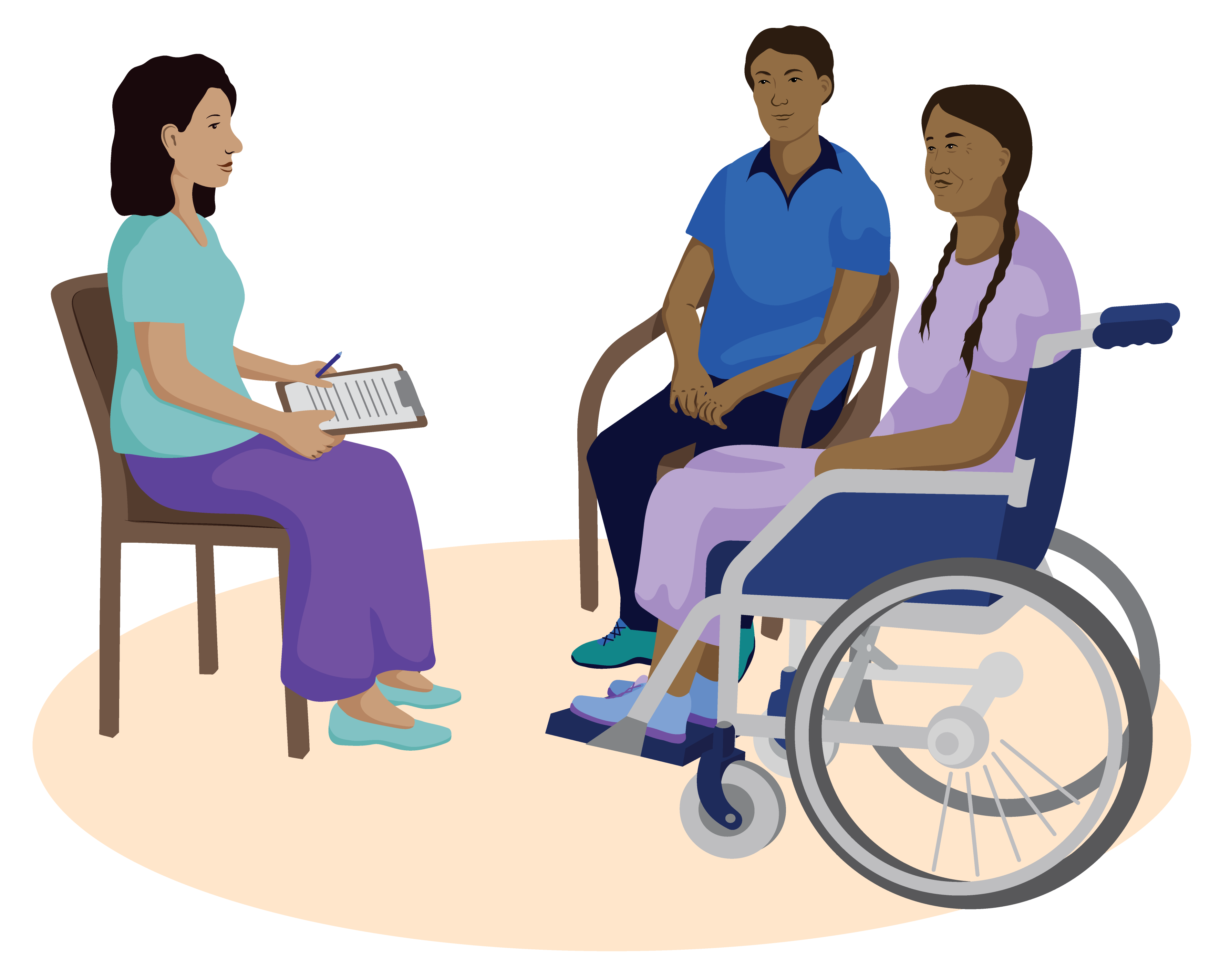
Learn more about planning for follow up after an emergency on the TAP Assistive products in emergencies module.
You have completed Lesson five!