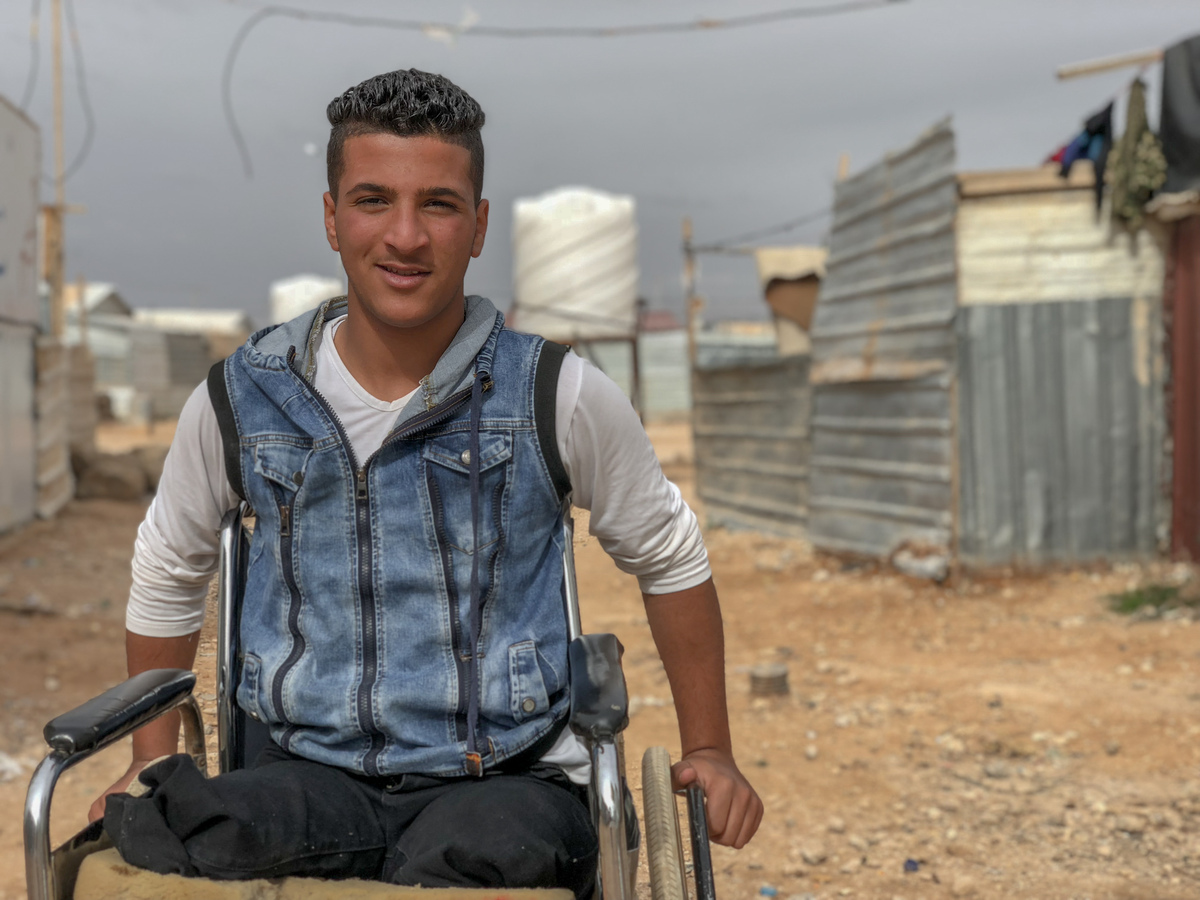
This module is only for providing wheelchairs in an emergency situation. It is a response to immediate high demand following an emergency, and does not replace the WHO Wheelchair Service Training Package.
This module will teach you how to provide a wheelchair and cushion safely. These products assist a person to be mobile and access relief efforts. This is important for their survival in an emergency situation.
The module includes wheelchairs for personal use. It does not include wheelchairs for transporting a person from one place to another in a clinic or hospital situation.
Resources you will need
Wheelchairs (different types of wheelchair, one in each available size)
Tools for assembly and adjustment
Comfort cushion
Pressure relief cushion
An area which includes slopes, steps and rough ground for teaching wheelchair skills. An area that is under cover will make it useful in all weather conditions
Leg raiser (if available)
Stump board (if available).
Click on the links below to download and print the:
2. I understand that my de-identified information collected during this training (including this registration form, online feedback survey, quiz results and discussion forum) will be used in reporting and research to help improve TAP and improve access to assistive technology, and I give my consent for this.