Some of the key words used in this module are explained below. You can print these to use as you work through the module.
Amputation – The absence (not present) of a part of the body, for example the leg or the arm.
Arthritis – A health problem where a person’s joints become stiff and/or painful to move.
Broken bone (fracture) – Breaking or cracking of a body’s bone.
Castor wheels – Wheels that swivel (turn) as they roll. Examples are the small wheels on office chairs, or on the front of wheelchairs.
Cerebral palsy – A group of conditions that affect movement, muscle tone, balance and posture. Cerebral palsy is a result of damage to the brain before, during or soon after birth.
Continence – The ability to voluntarily control emptying of the bladder and bowel in a socially acceptable place. Can be described as successfully going to the toilet.
Continence management – A planned process for how a person who has incontinence goes to the toilet which is safe, effective and dignified.
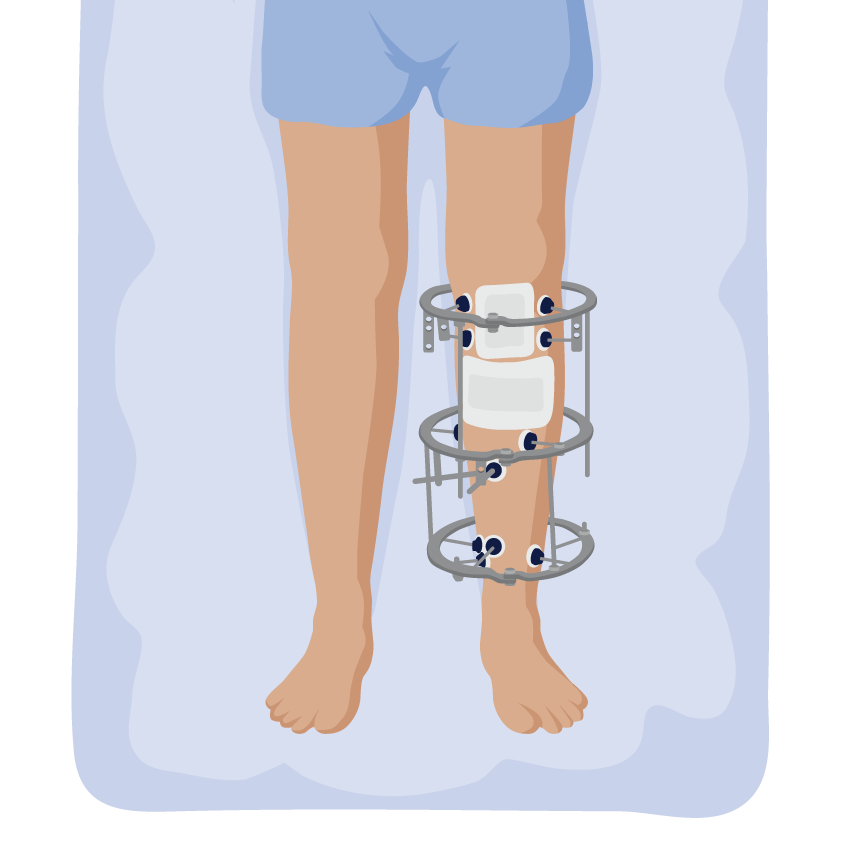
External fixator – A frame to hold broken bones in position while they heal.
Frail / frailty – Weak, fragile and with little energy. Often occurs as people grow older and their health declines.
Health professional – Health professionals include people such as nurses, doctors, health workers and others who have recognised qualifications to diagnose, treat and prevent illness, injury and other physical or mental impairments.
Paralysis – Loss of ability to move a body part (usually legs or arms).
Pressure wound – A pressure wound is a breakdown of the skin. It is usually over a bony area and is a common problem for people who have problems with feeling (sensation) or difficulty moving and changing position.
Propel – To move a wheelchair. This can be by the person (self propelled) or with assistance (assistant propelled).
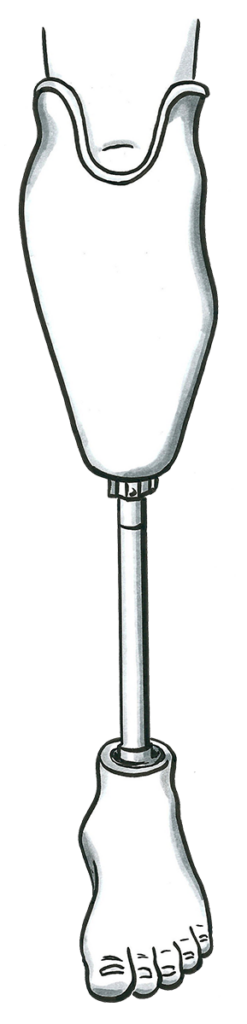
Prosthetic leg – An artificial leg or foot, which replaces an amputated leg or foot.
Spinal cord injury – Damage to the spinal cord, usually caused by accident or illness. After a spinal cord injury, messages cannot travel along the spinal cord between the body and the brain. Often a person cannot move (is paralysed) and cannot feel below the level of injury.
Stool – A term to describe the digested waste that is collected in the bowel. Common terms include poo, poop, caca.
Stroke – Blockage of blood flow in the brain. This can result in one side of the body becoming weak or paralysed, as well as problems in speaking, feeling, thinking and seeing.
Stump – After an amputation, the part of an arm or leg that’s left beyond a healthy joint is called a residual (remaining) limb, or more commonly, a stump.
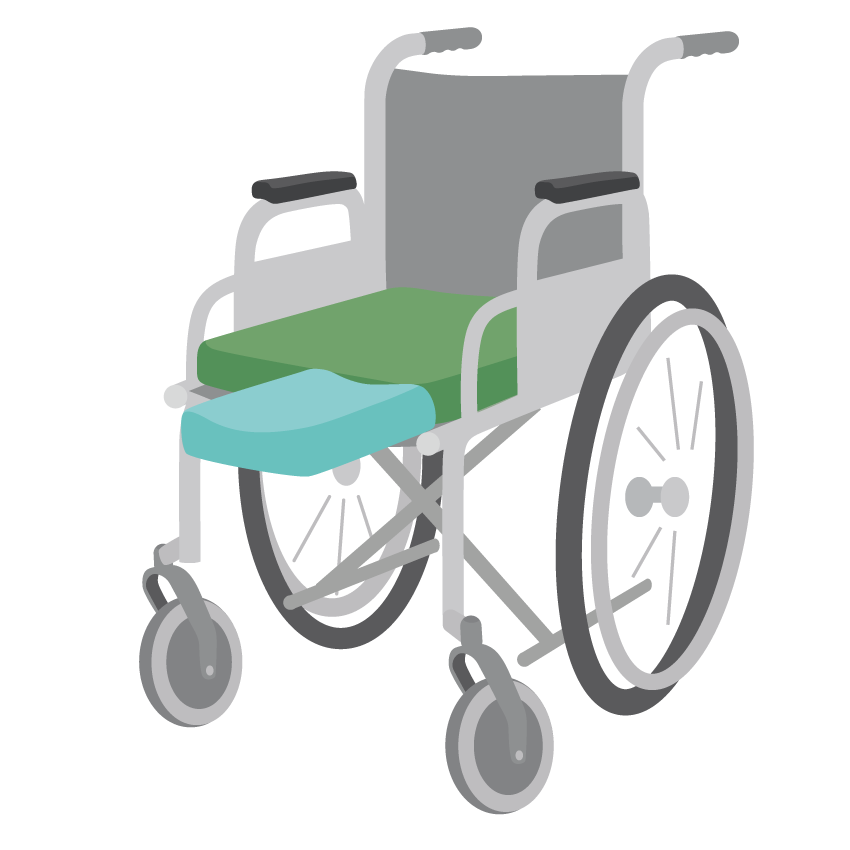
Stump board – A board with cushioning attached to a wheelchair, to provide positioning and support for a below knee stump.
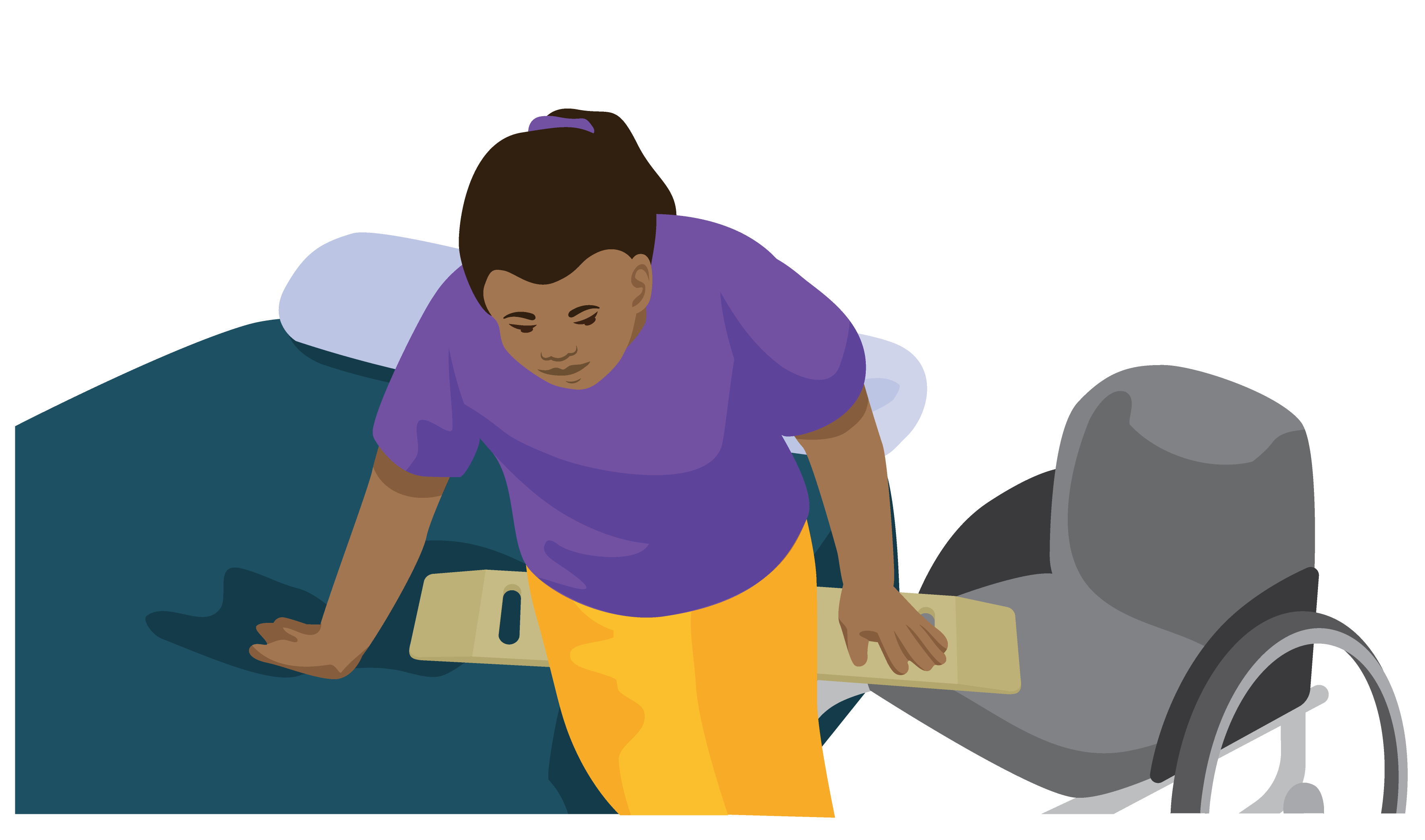
Transfer – Moving your body from one surface to another.
If you find other words that you are not familiar with, ask a colleague, your mentor, or post a question.