Instruction
If you haven’t already, download the TAP Dressing aids assessment form and print a copy.
If your service uses a different form, discuss this with your supervisor.
Assessment form
The TAP Dressing aids assessment form will guide you through questions to help you and the person understand the reasons getting dressed or undressed is difficult, and if a dressing aid could assist.
At the end of the form, you can record a plan of further actions.
This may include selection of suitable dressing aid/s and recommendations to discuss with the person about:
- Changing their dressing position
- Changing how they get dressed
- Choosing different clothes or shoes
- Referral to other services.
Instruction
Whenever you see this icon, it means that the person may need referral.
Prepare the person
Find a quiet, private space to sit with the person.
Explain to the person these questions help identify if dressing aids could assist and select the best dressing aids for their needs.
Involve the person and/or the caregiver to understand how they want to use dressing aids.
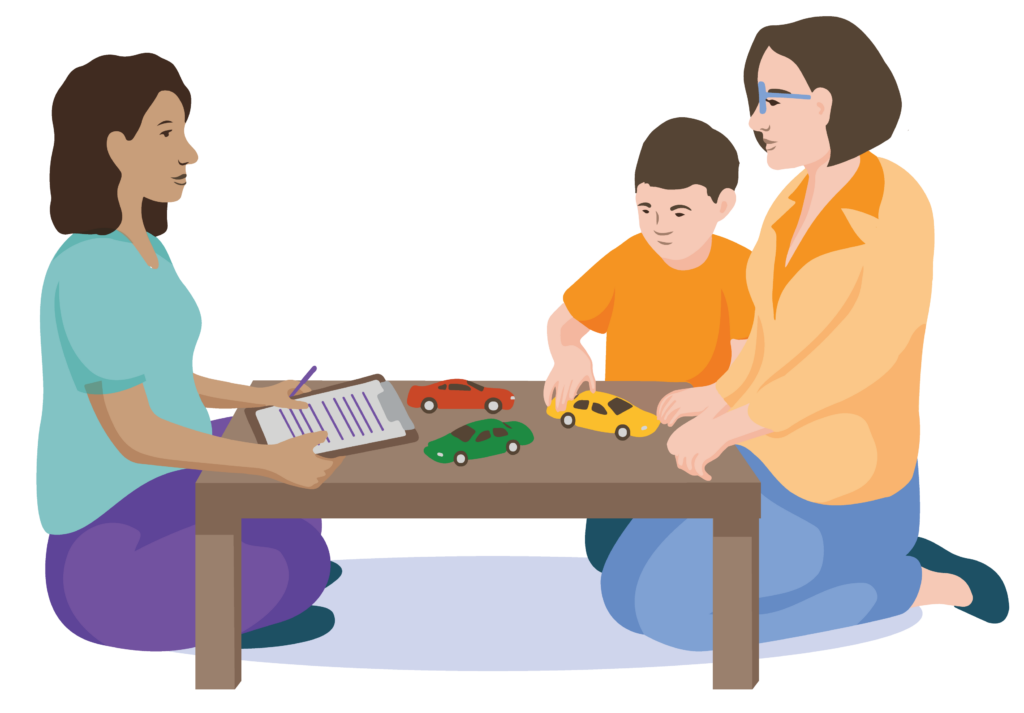
Assistance
Some people will get dressed or undressed with the assistance of a family member or caregiver. This may be because they have difficulty dressing independently.
If the person usually has assistance, ask if they would like to include their family member or caregiver in the assessment interview.
Meet Hernando
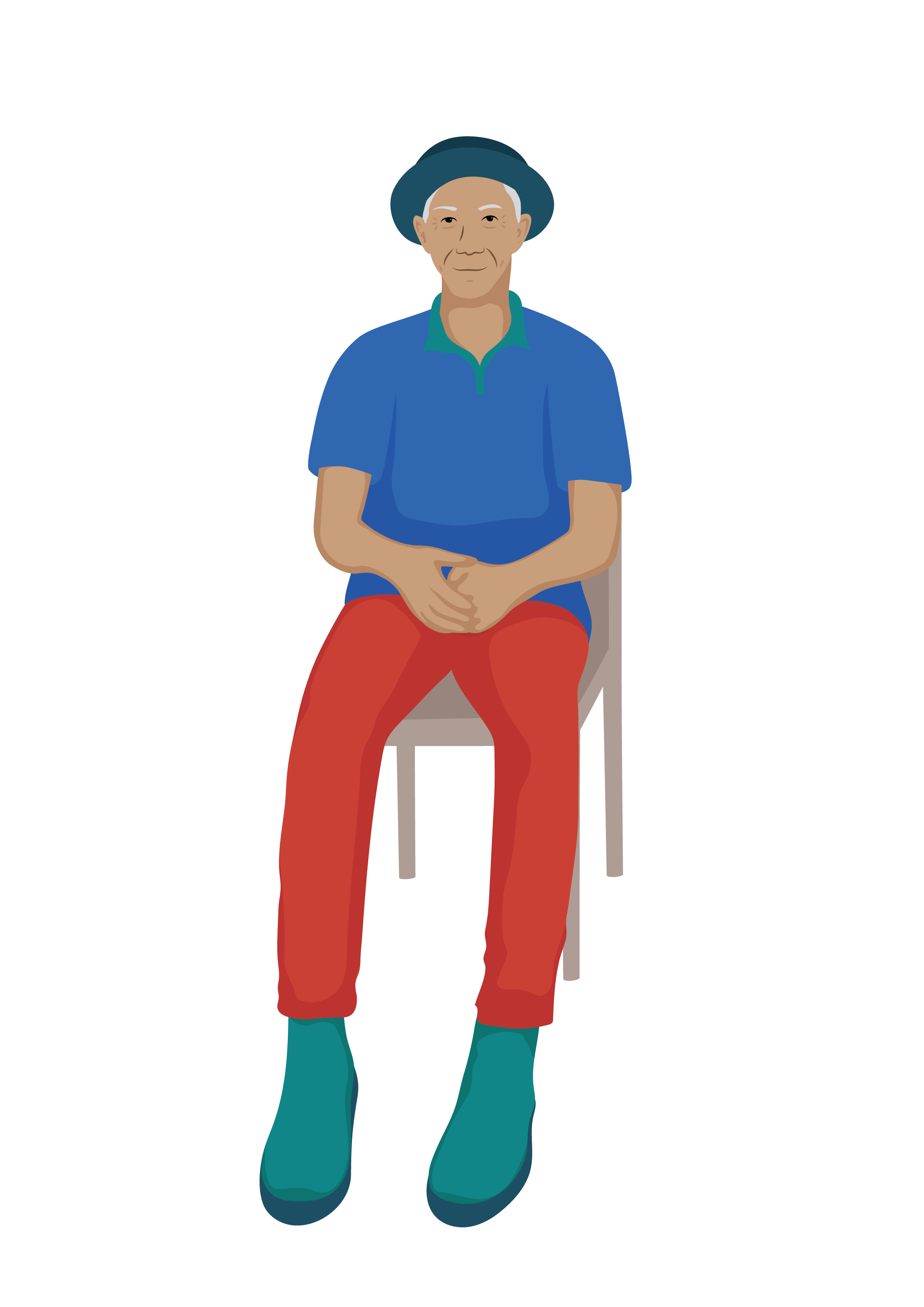
Hernando lives at home on his farm, with his extended family. Hernando’s son Elian often assists Hernando with getting dressed and undressed each day.
Hernando goes to see a health worker for an assessment. Elian drives Hernando to the assessment.
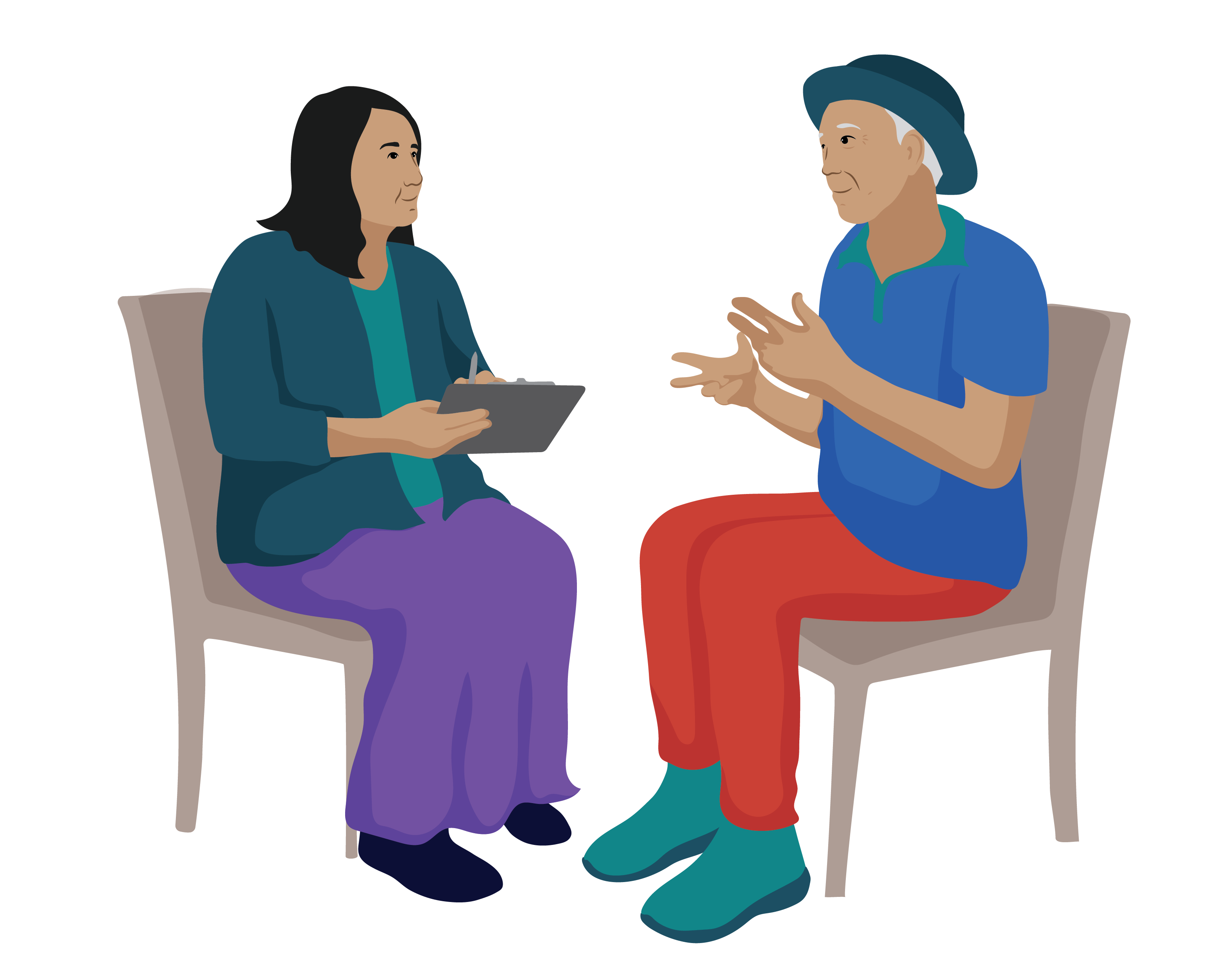
Health worker: “Do you need any assistance when getting dressed or undressed?”
Hernando: “I feel tired during the day. My son Elian assists me when I go to the bathroom and when I get undressed at night.”
Health worker: “Would you like Elian to join us while we talk about your difficulties with dressing and undressing?”
Hernando: “Yes that would be good.”
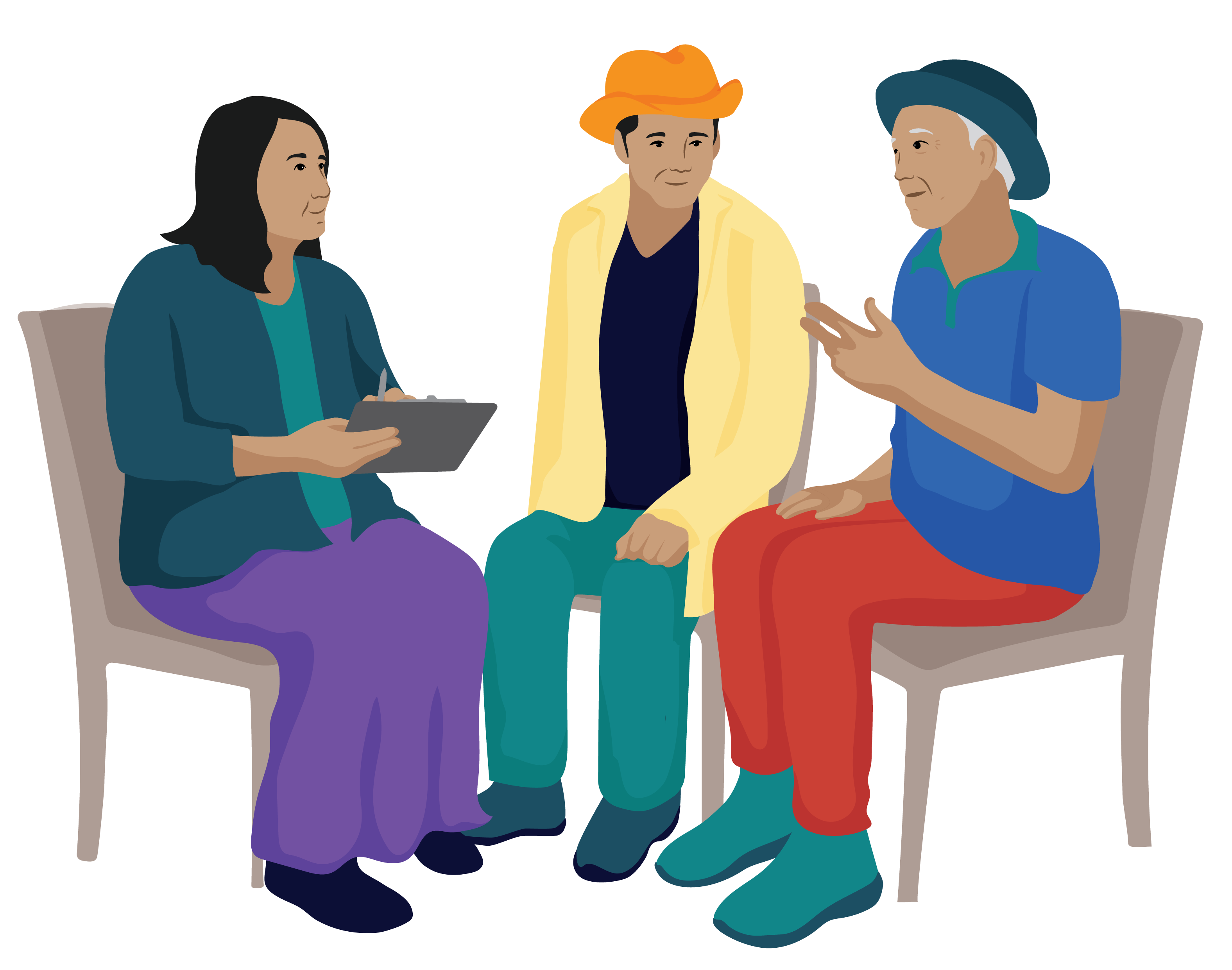
Elian: “Thank you for including me. It is helpful for me to learn more about how I can assist my dad as well.”
About the person
Start by collecting general information about the person, including their gender, age, and contact details.
Assessment interview
The assessment interview explores why the person has difficulty getting dressed or undressed, and if dressing aids will assist.
The assessment interview includes three sets of questions, which focus on:
- Thinking skills
- Vision skills
- Physical skills.
Instruction
You will learn more about these skills in the next three topics.
Tip
If the person is unsure whether they have difficulty with a specific skill or task, it may be helpful for them to try doing the task. For example, ask if they can show you how they do up buttons or get their shoes on.