There are many different types of therapeutic footwear available. This module focuses on therapeutic footwear with some of the most common features.
Features of therapeutic footwear
Therapeutic footwear have the same features as suitable shoes and extra features to give more protection and support.
The most common extra features are:
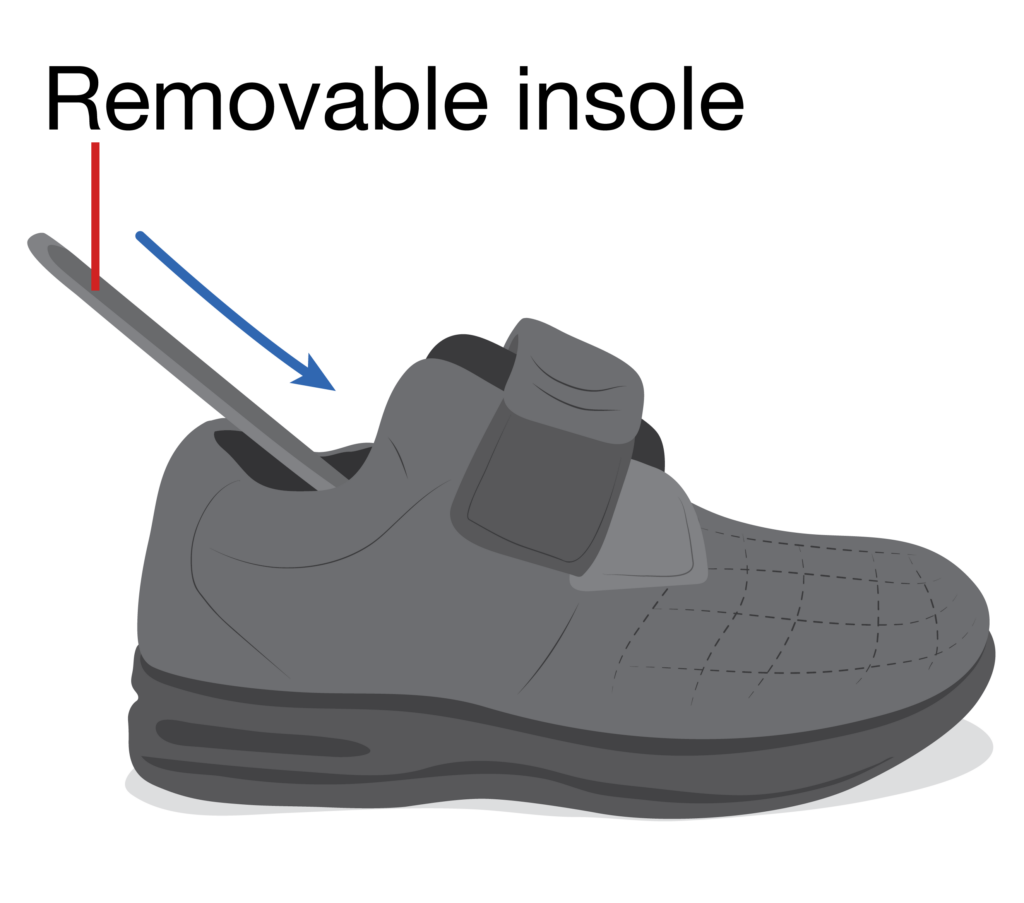
Removable insole
An insole is a thin strip of foam or rubber placed inside a shoe.
Therapeutic footwear should have an insole that provides extra cushioning for the foot.
The insole should be removable (not fixed in place). It can then be replaced with a modified insole or foot orthotic if necessary.
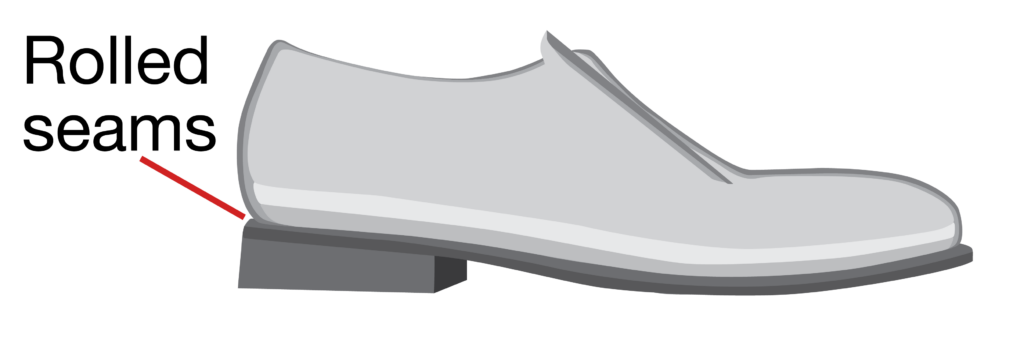
Rolled inside seams
A rolled seam can also be called a ‘hidden’ seam.
Seams on the inside of each shoe are rolled, so that it feels flat and smooth, with no hard edges. This reduces the risk of pressure or rubbing on the person’s foot.
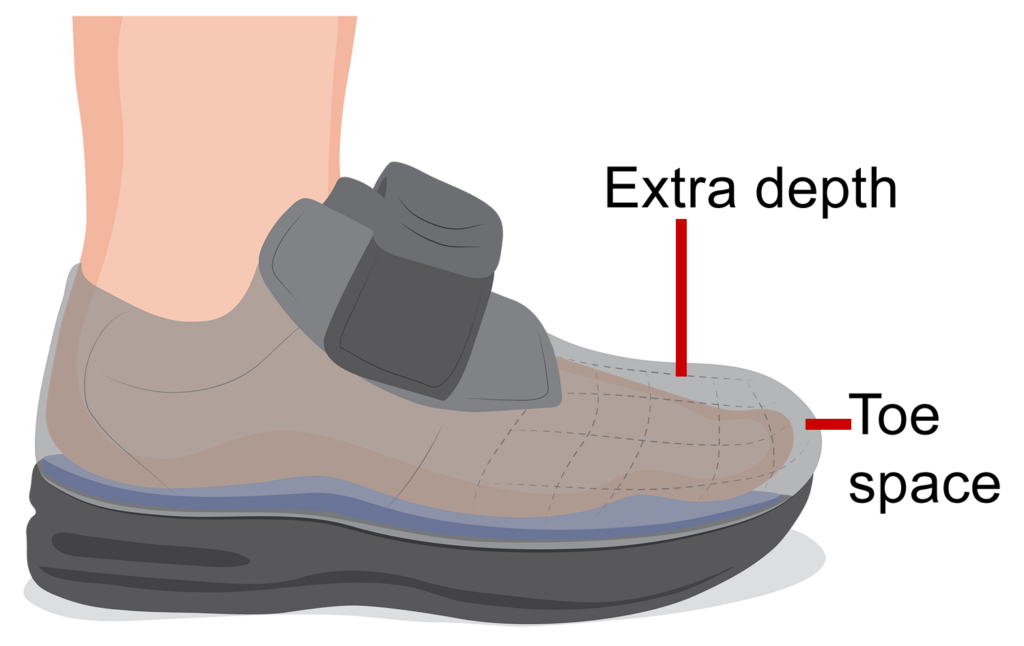
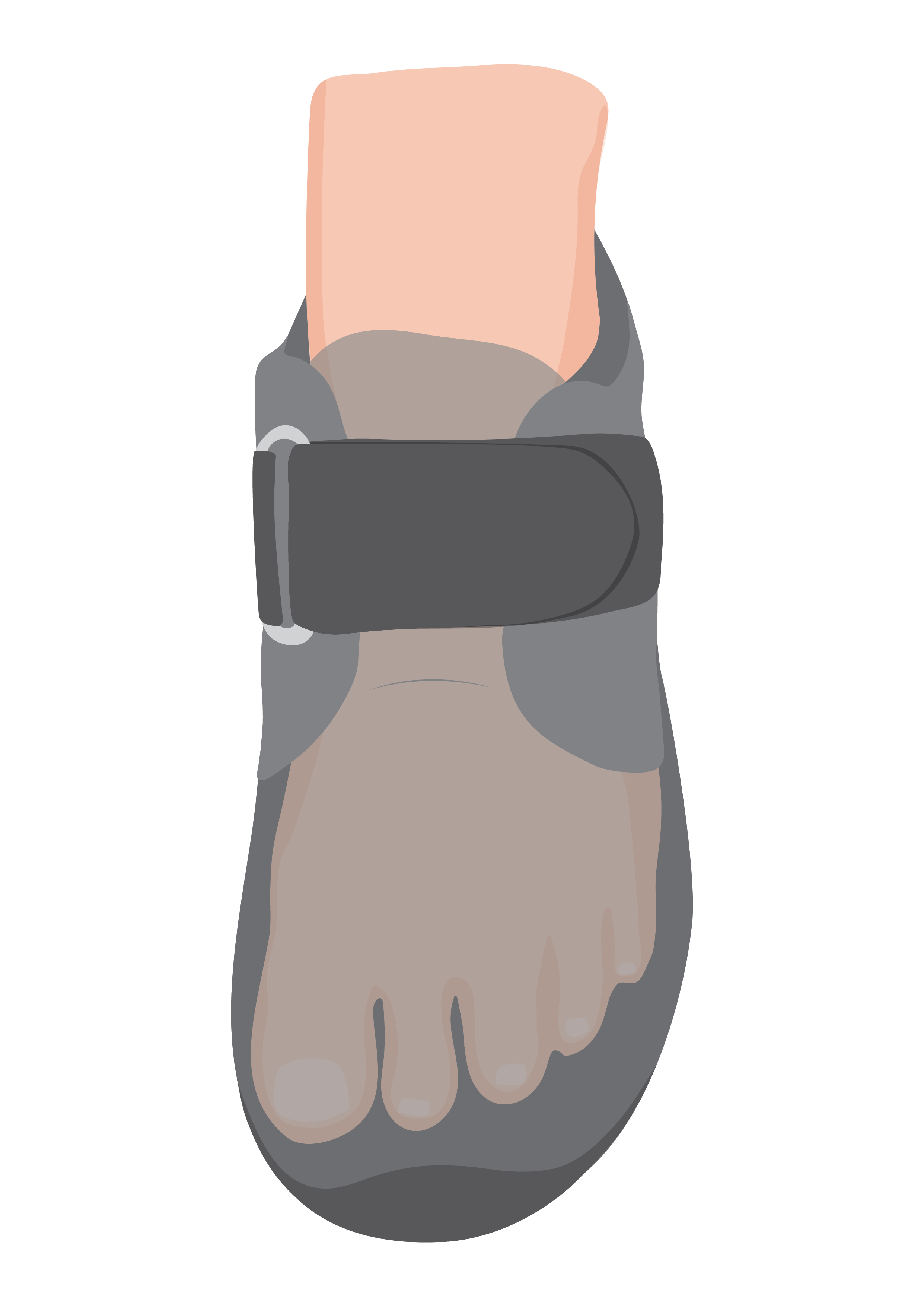
Toe space and width
Therapeutic footwear is shaped to give extra:
- Toe depth
- Shoe width.
This allows space for unusual shaped toes or feet.
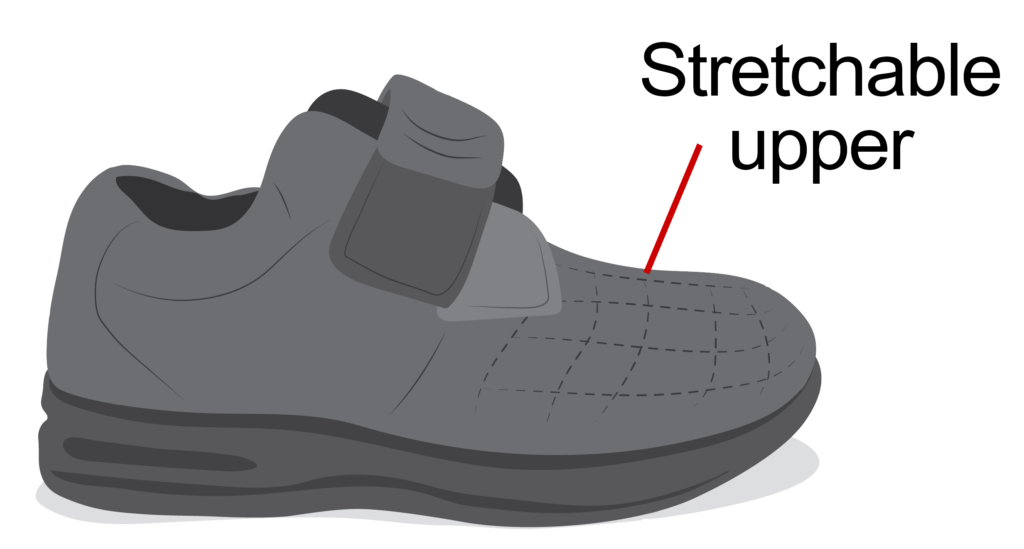
Stretchable upper
The top and sides of a therapeutic shoe have some ‘stretch’.
This allows the shoe to comfortably fit the person’s foot shape and provides a more flexible fit.
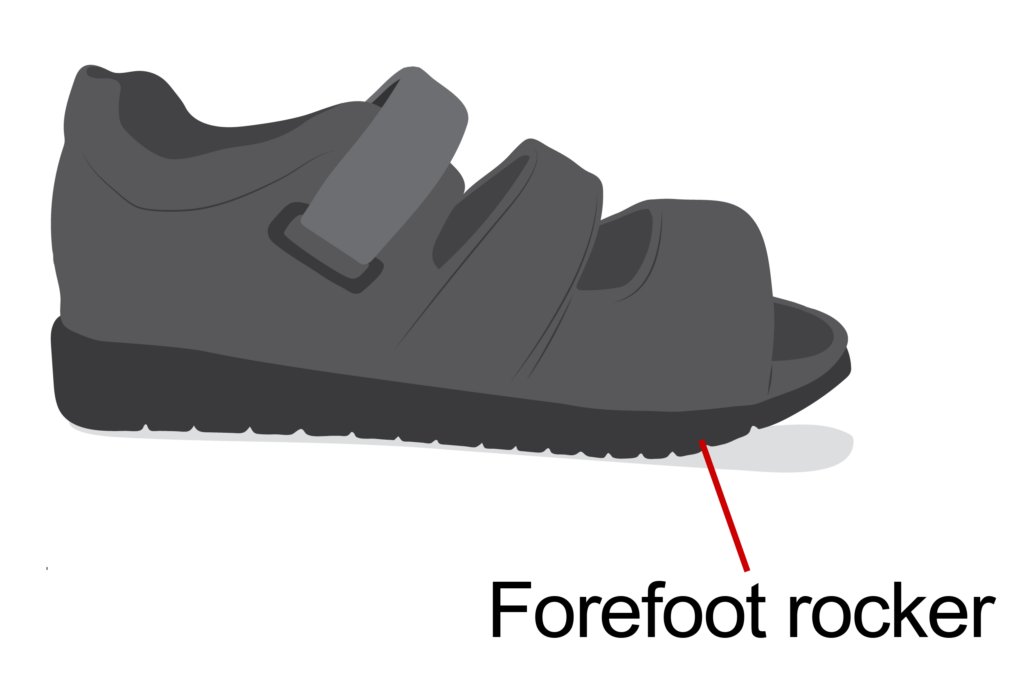
Forefoot rocker
Therapeutic footwear may have a forefoot rocker built into the sole (bottom) of the shoe.
The forefoot rocker is a small curve under the front of the shoe that helps reduce pressure on the bottom of the foot while the person is walking.
Watch this short video to see how a forefoot rocker works.
Sizes
Just like other shoes, therapeutic footwear come in different sizes.
Shoe sizes are based on the length of a person’s foot and are described by a number.
Some shoes (including therapeutic footwear) may also be available in different widths.
Most therapeutic footwear suppliers will provide a size guide, which shows the shoe size for the foot length.
Therapeutic footwear is generally available in all adult sizes.
Reflection
There are different shoe size systems used in different parts of the world.
Which shoe size systems are common in your area?
- European
- US
- Australian
- UK
- Japanese 1
- Other.
Styles
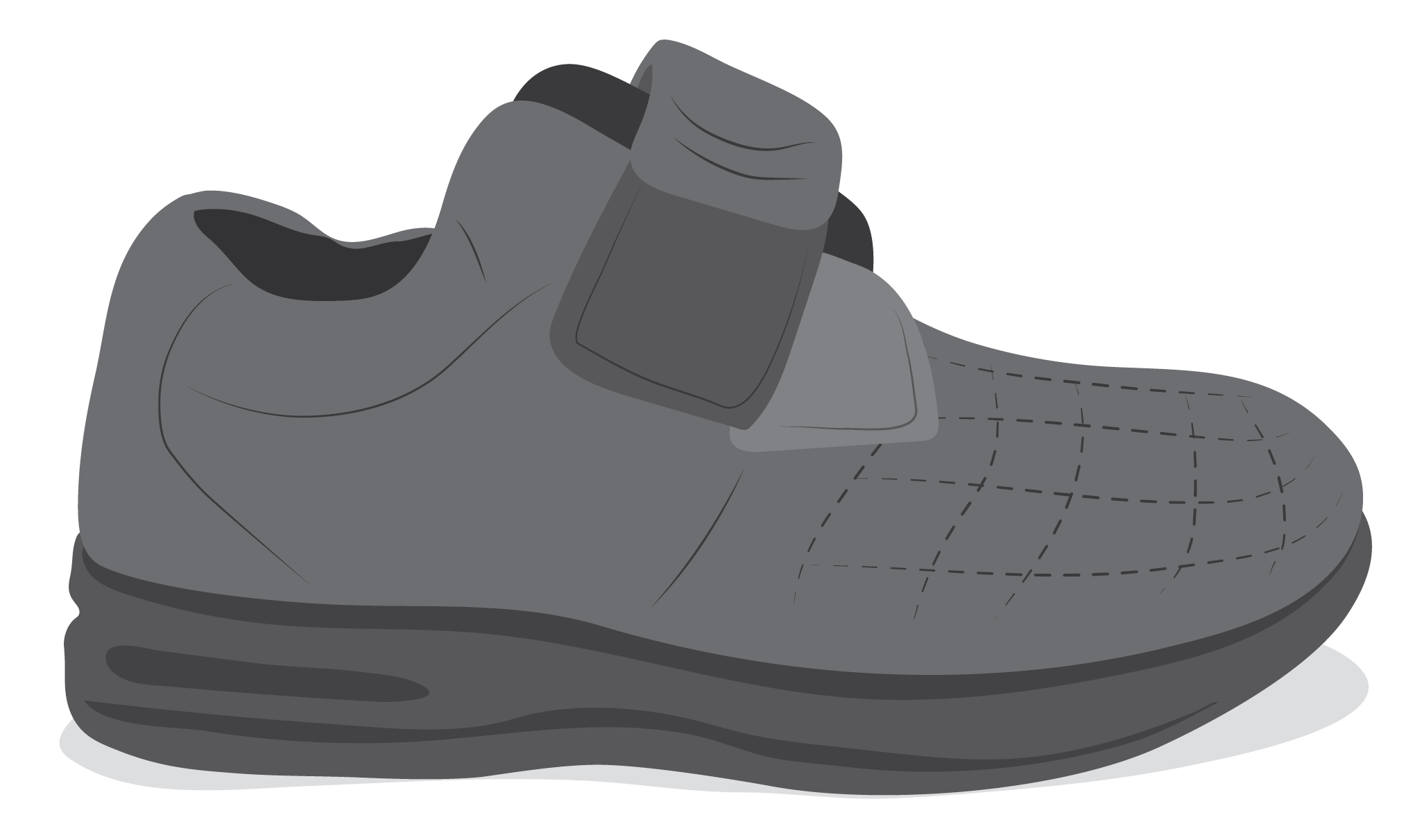
Therapeutic footwear come in different styles.
Three basic styles include:
- Closed shoe
- Open heel shoe
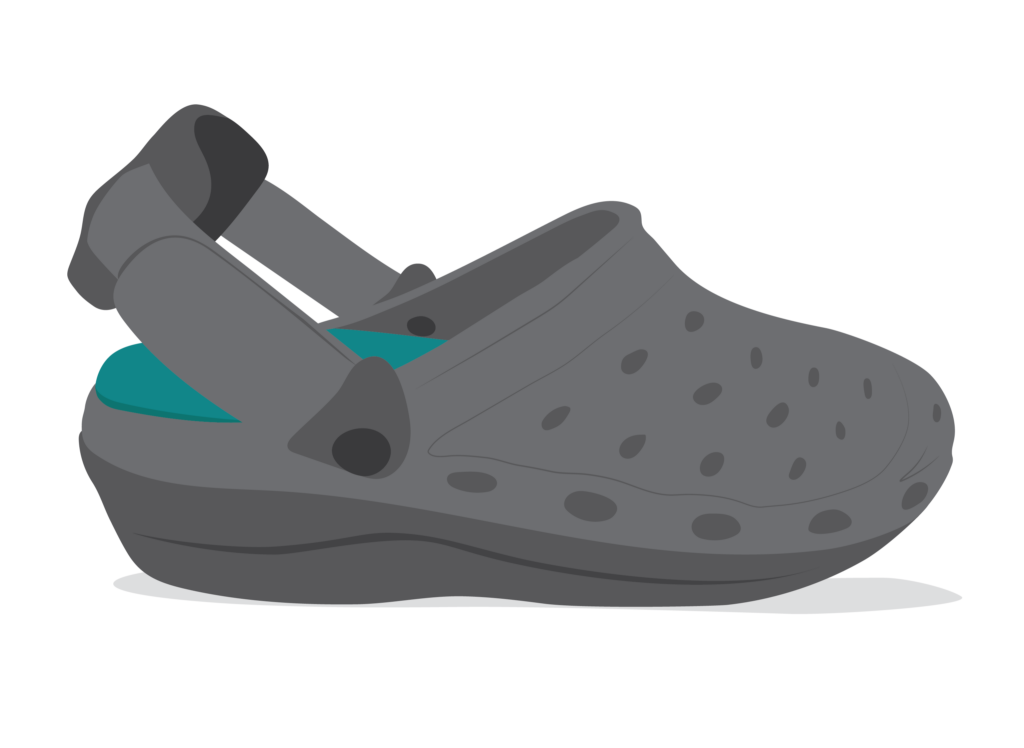
- Open toe sandal.
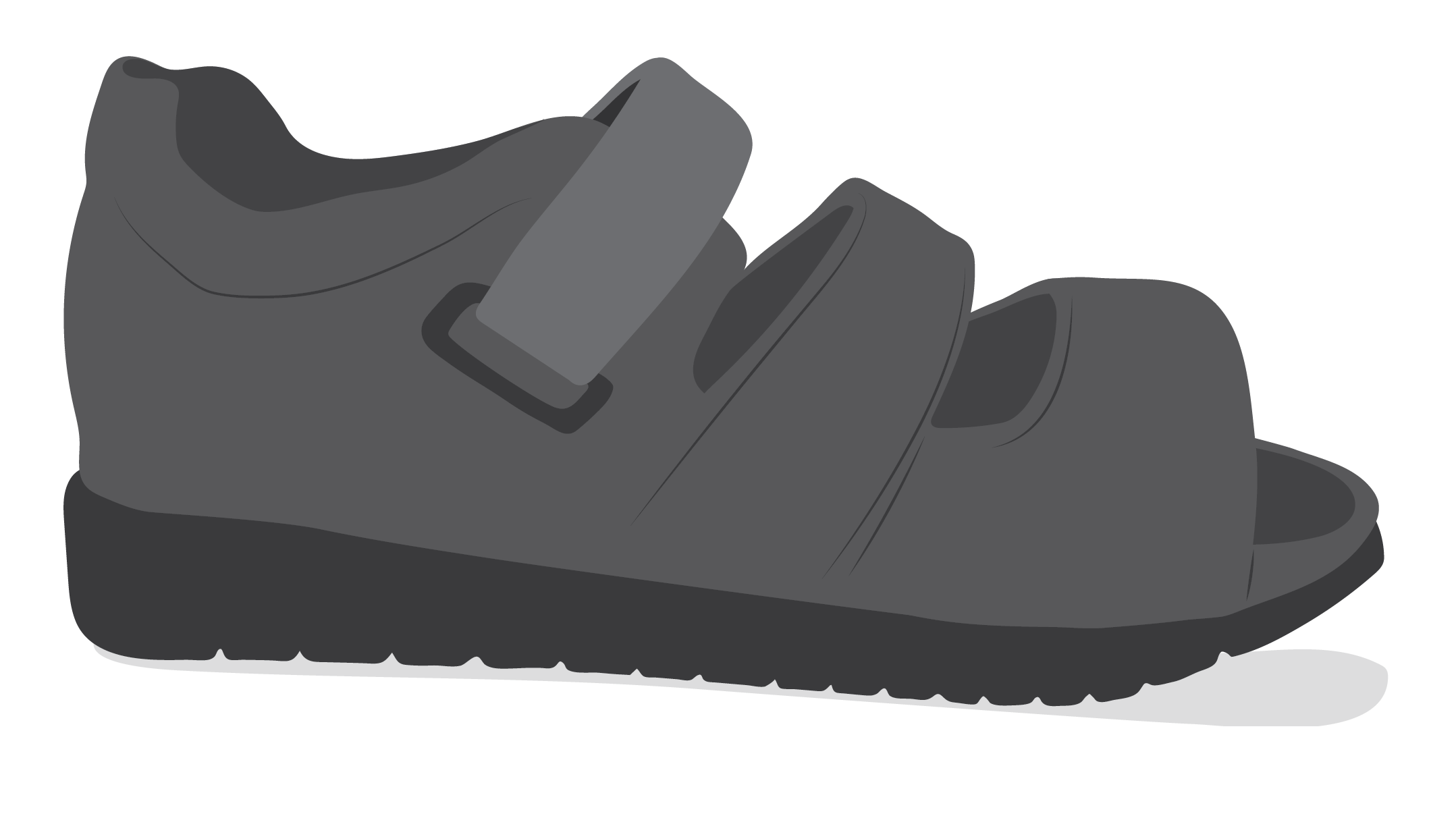
Question
1. Which of the three shoe types do you think provides the most protection?
If you selected a, you are correct.
The closed shoe provides the most protection. The open heel shoe or open toe sandals leave some area of the foot exposed and at risk of injury.
2. Which of the three shoe types may be cooler to wear in hot climates?
Select all that apply.
If you selected b and c, you are correct.
The open parts of these shoes can help people stay cool in hot climates. In hot climates the closed shoe may be too hot.
3. Which of the three shoes types may be more comfortable for people with unusual shaped feet?
If you selected b and c, you are correct.
The open toe sandal and open heel shoe may be more comfortable and provide a better fit for some people with unusual shaped feet.
Activity
Look closely at the therapeutic footwear available at your service.
What styles are they? Are they closed shoe, open heel shoe or open toe sandal?
For each type identify the following features on the shoe:
Suitable shoes features
- A low heel (flat shoe)
- Adjustable straps or laces
- Heel support
- Wide toe space
- A non-slip base
- Upper material that is breathable and will last
- Overall firm support.
Therapeutic shoes features
- Removable insole
- Rolled seams
- Extra toe depth and width
- Stretchable upper
- Forefoot rocker.