Discuss with the person whether therapeutic footwear is meeting their needs.
- Are they using their therapeutic footwear?
- Do they have any problems using their therapeutic footwear?
- Do they have any questions?
Talk to the person
If the person is not using their therapeutic footwear or has problems using them, find out why. Then you can find a solution together.
They may have questions you can answer which will help them understand how or why to use therapeutic footwear.
Ask the person to explain each of the foot care and protection steps they learned at the previous session.
Question
Remember Jensen?
Below is a discussion that took place between a health worker and Jensen at the fitting of his therapeutic footwear.
Read what happened and think about where the discussion goes wrong. Try to identify the problems in communication.
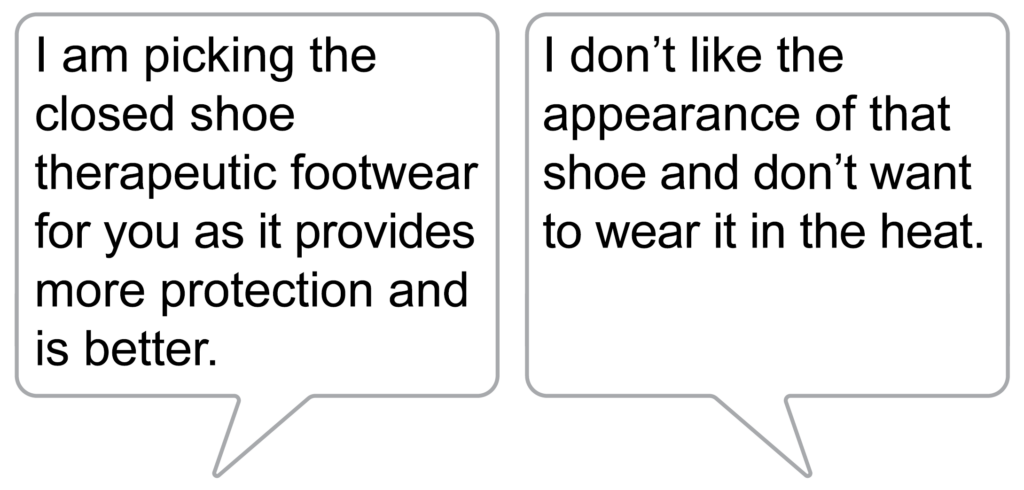
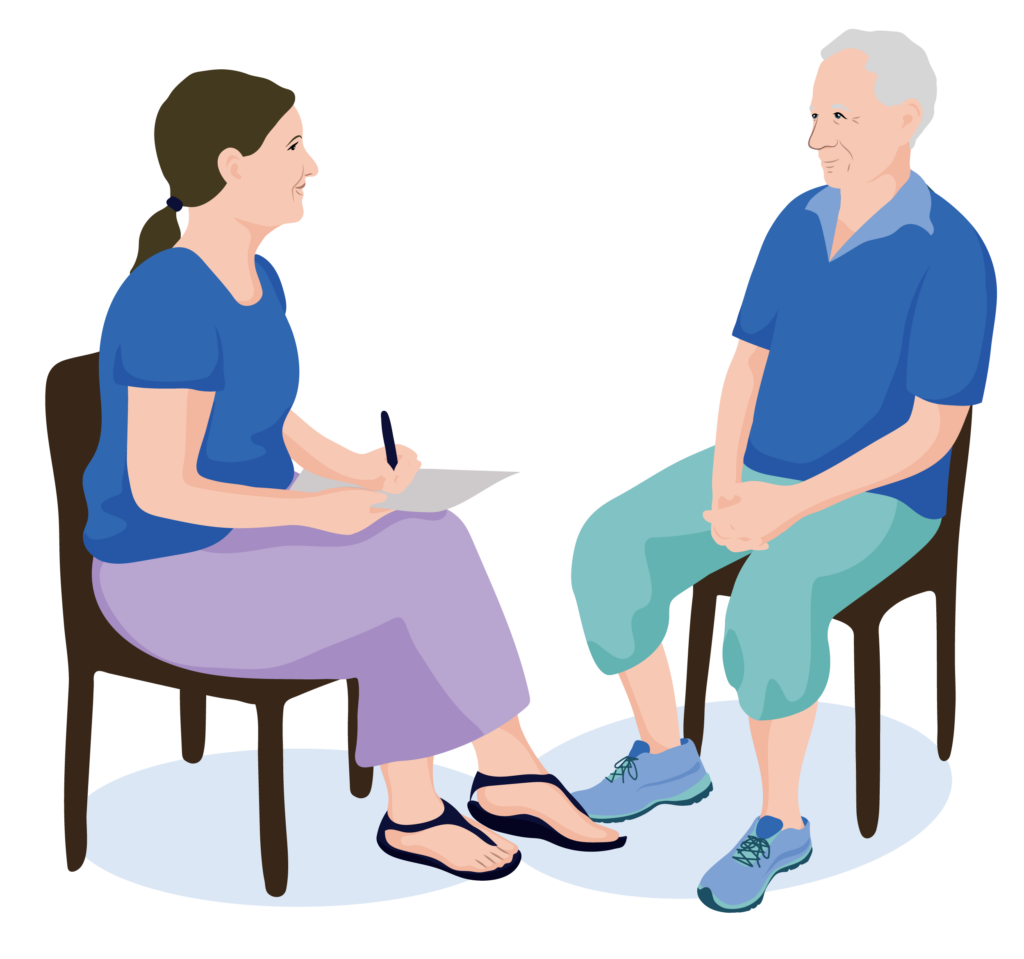

The health worker selects and fits Jensen with brown, closed toe therapeutic footwear.
1. Did the health worker show the different types of footwear available and explain the benefits of different features?
No. They told Jensen what he should have, rather than explaining and giving a choice.
2. Did the health worker give any choice in colour?
No, there was no colour choice. Nothing was done to make the shoe more acceptable for Jensen.
3. Did the health worker include Jensen’s personal preference in the decision?
No, the health worker chose their opinion over Jensen’s personal preference.
4. Do you think Jensen is likely to wear his therapeutic footwear every day?
No, Jensen is unlikely to wear the shoes because he does not like them.
5. What is the risk of Jensen not wearing his therapeutic footwear every day?
There is a high chance that he will develop a foot wound.
Discussion
In pairs, discuss how a different conversation could have helped Jensen to select a pair of therapeutic shoes that he was happy to wear every day.
Identify any new needs or issues
Discuss any new need or issues with the person and decide together what you need to do. This might include:
- Reassessment
- Referral.
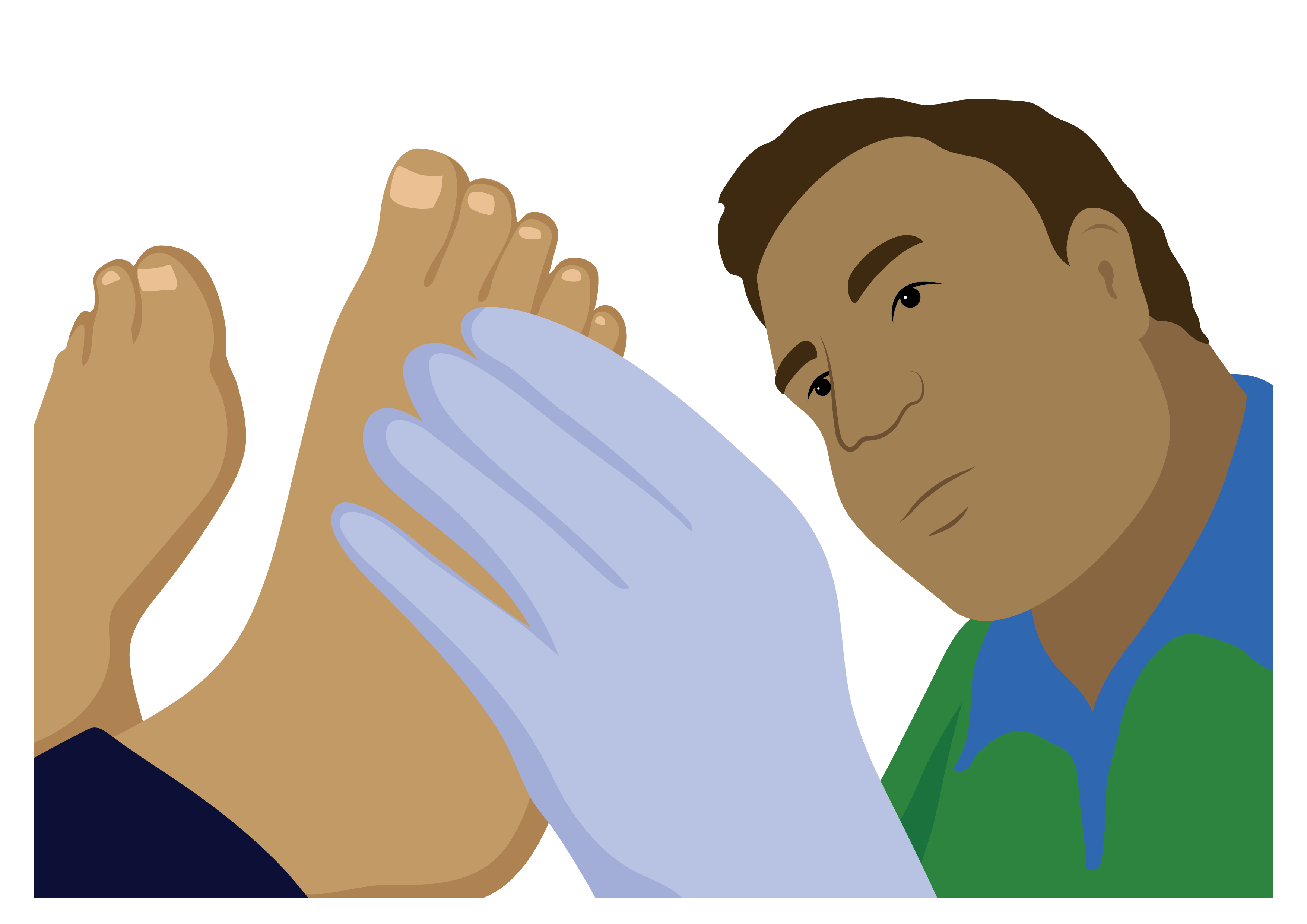
Ask the person to sit down in a chair and to take off their therapeutic footwear and socks.
Once taken off, inspect the person’s feet and the therapeutic footwear.
Check the feet
Inspect the skin on both feet for any marks or signs of problems. Look for any areas of redness, injury or damage to skin.
If you find any areas of concerns, see if the shoe is the cause. The person may need a new assessment. Refer to foot clinic/ wound clinic.
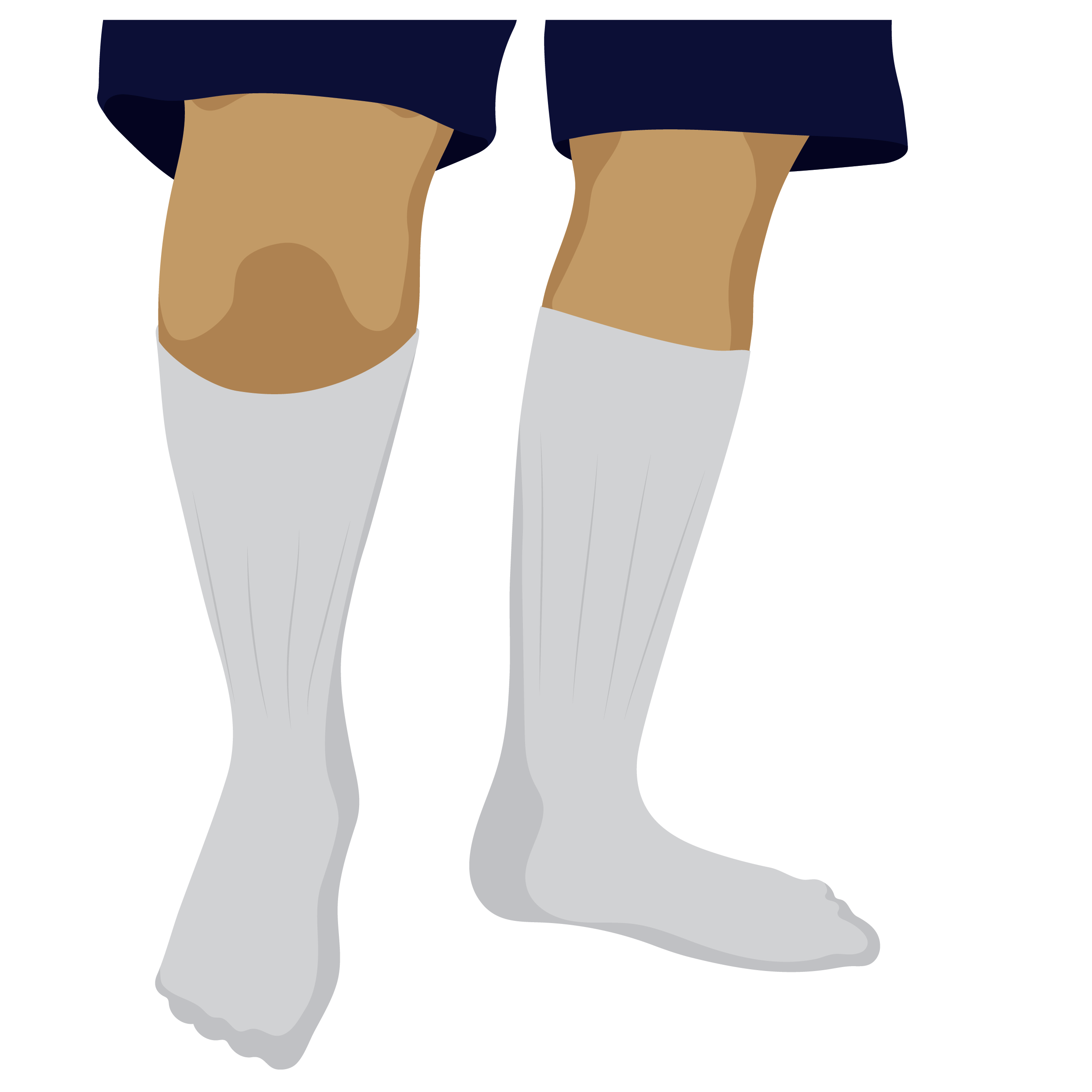
Appropriate socks
Check the socks to see if they are appropriate.
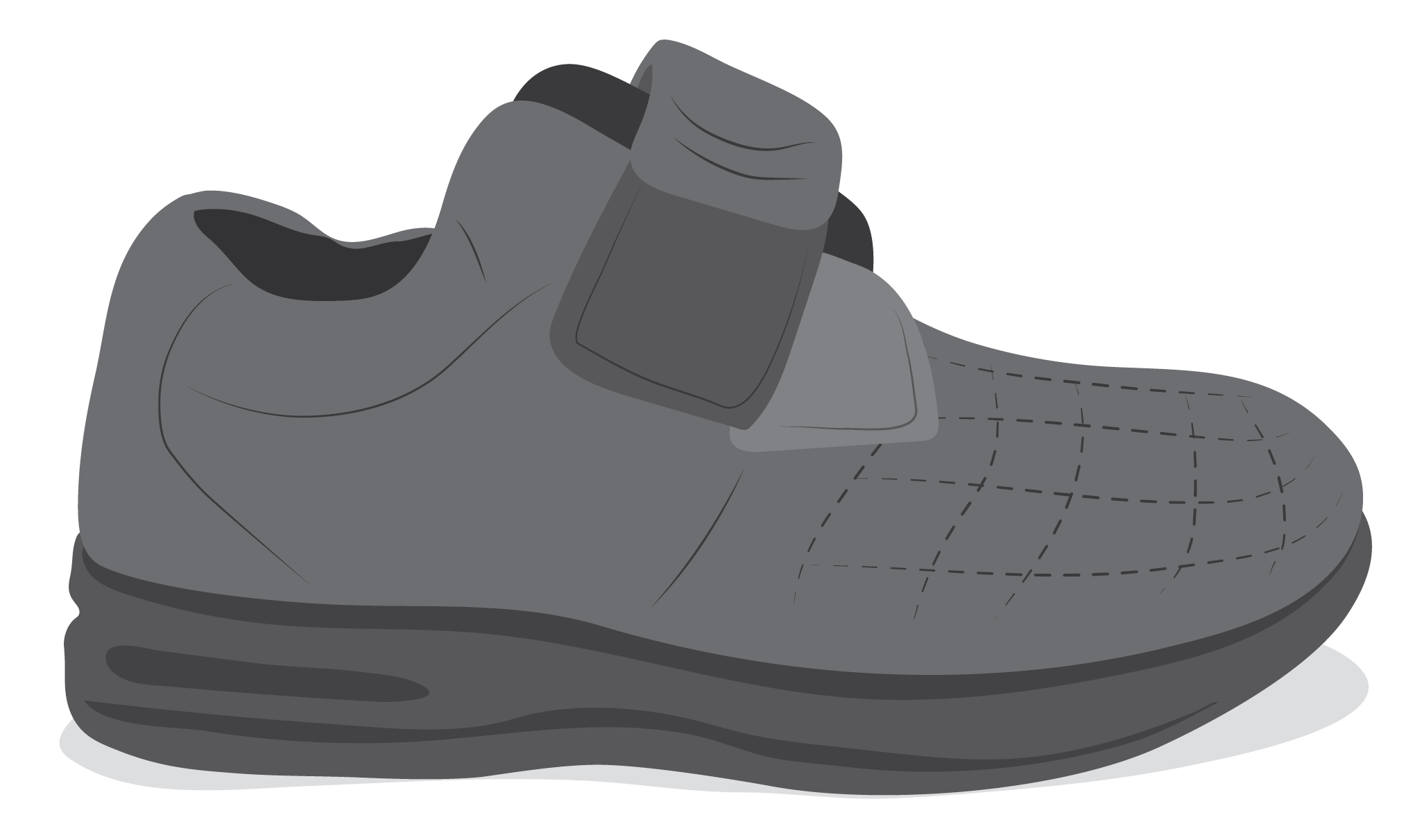
Condition
Check:
- There are no areas of wear and tear or damage
- The inside of the shoes is clean and dry
- The insole has not been compressed or damaged.
Ability
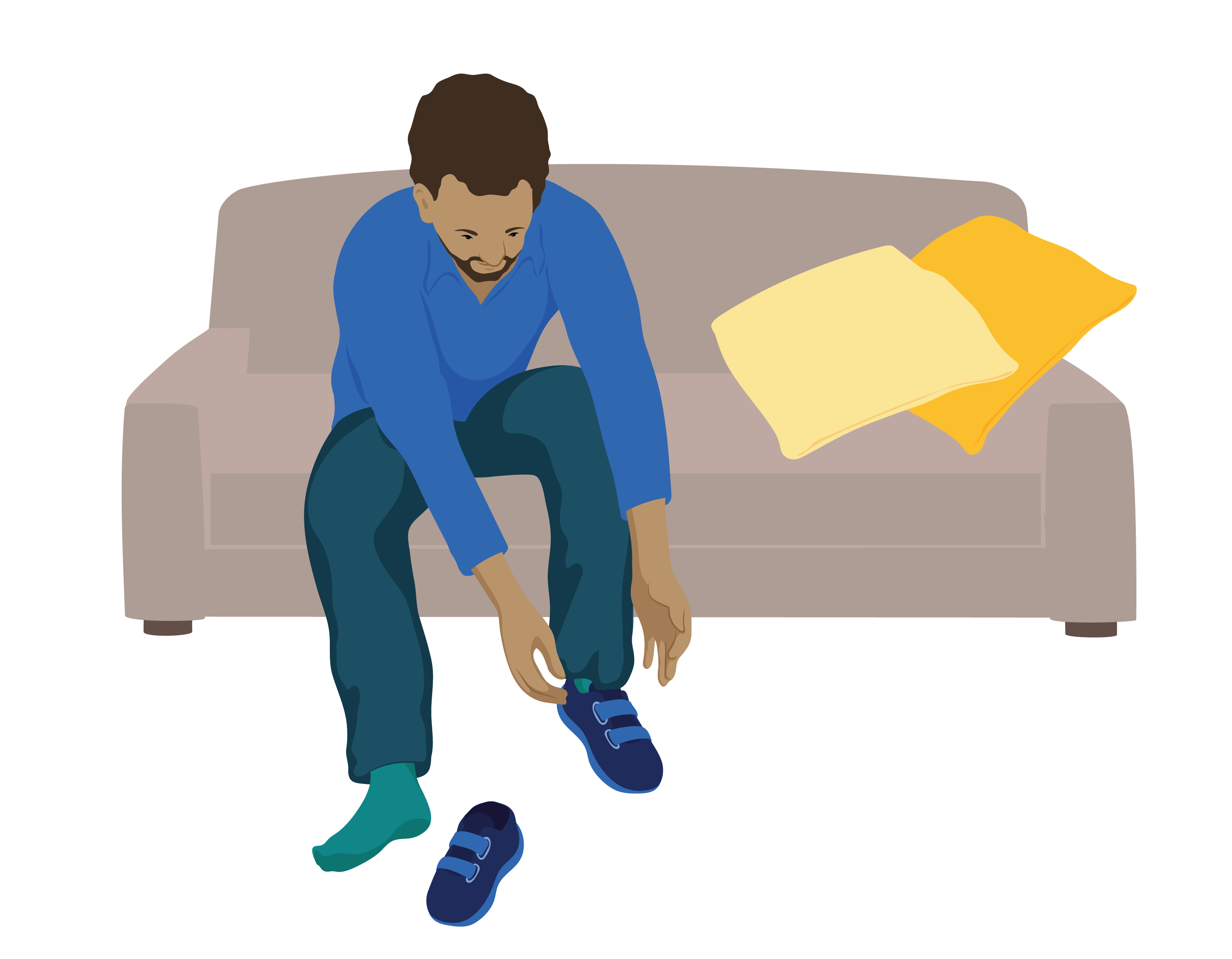
Ask the person to put their socks and therapeutic footwear on.
The person must put on their shoes like they do at home, without your assistance.
If they usually have assistance from a friend or carer, they should be present for the follow up.
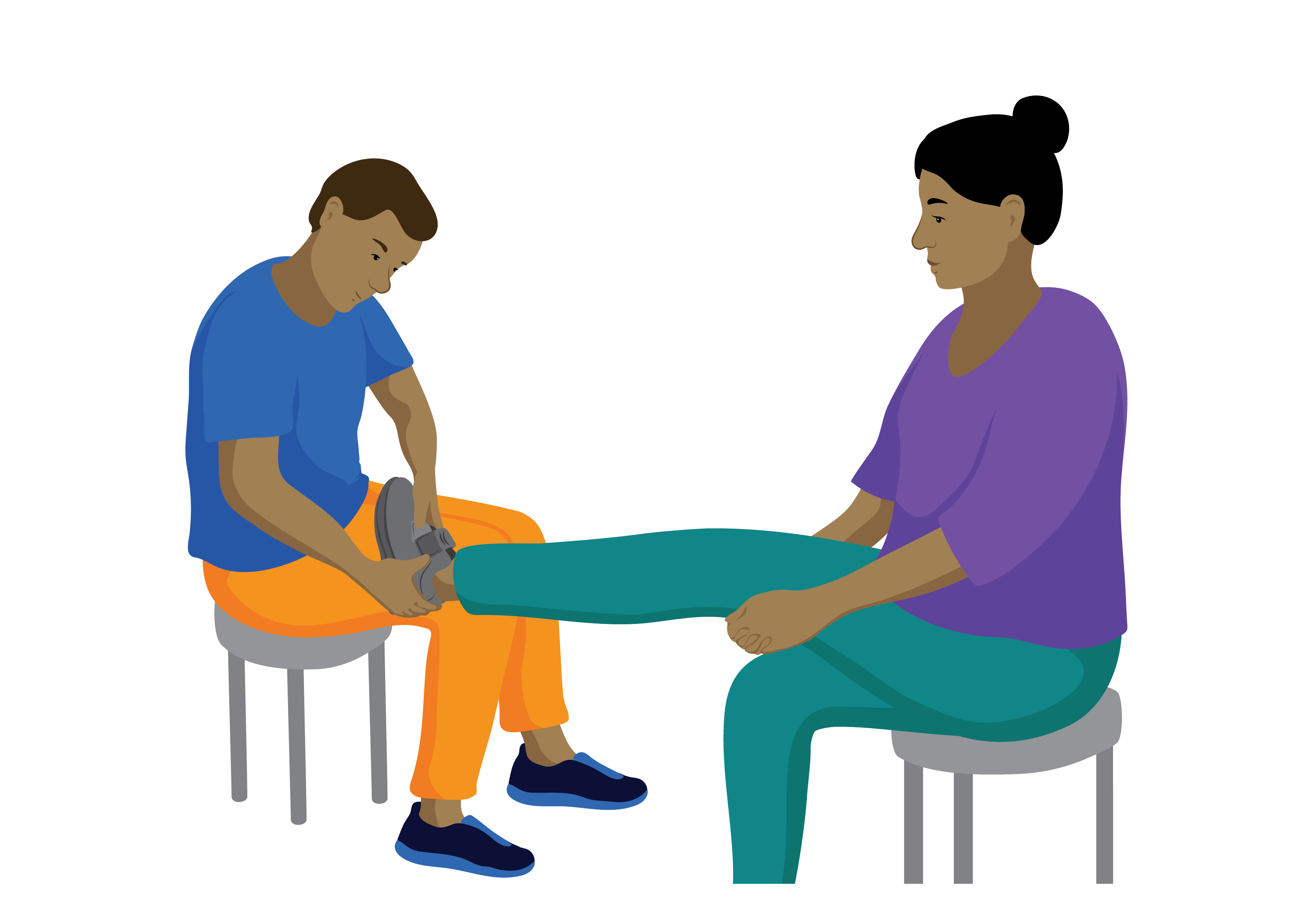
Watch closely while the person or their friend/ carer put on the therapeutic footwear.
Assistance
If needed, you can tell the person how to put on their therapeutic footwear.
Fit
Check the fit or the therapeutic footwear by using the check fit section of the TAP Therapeutic footwear assessment form.
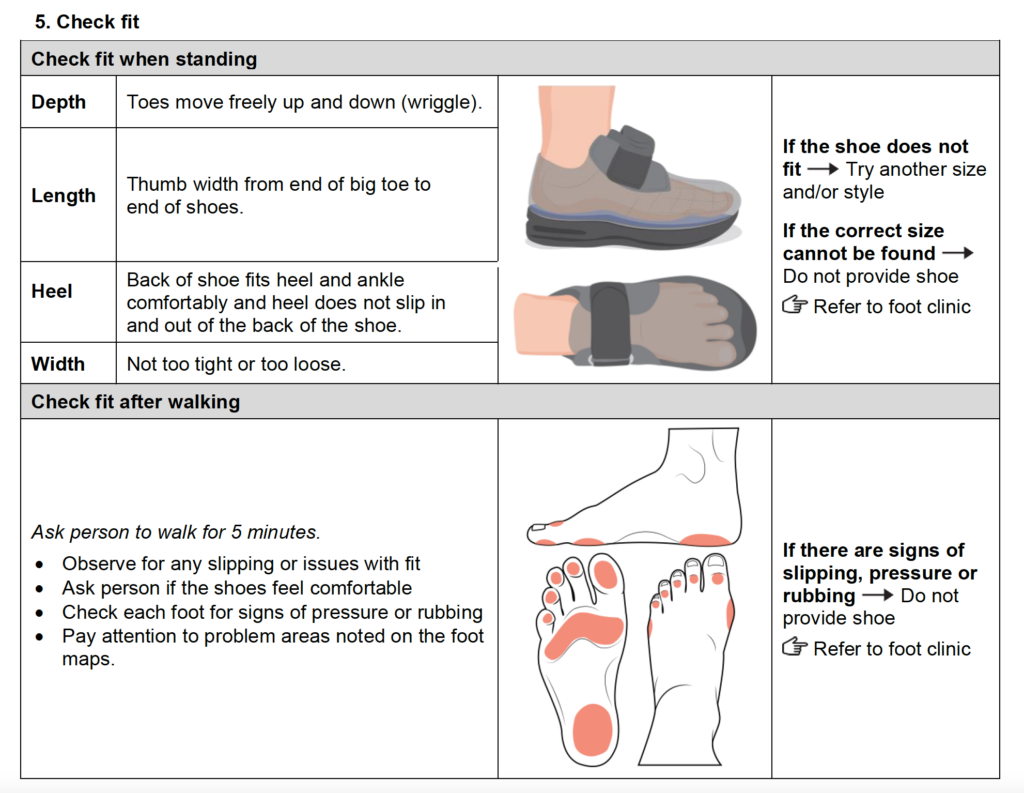
During follow up, do the check fit steps on the assessment form again.
If the person’s therapeutic footwear does not fit correctly, check what has changed since the previous fitting.
If the size is not correct, refit with correct size.
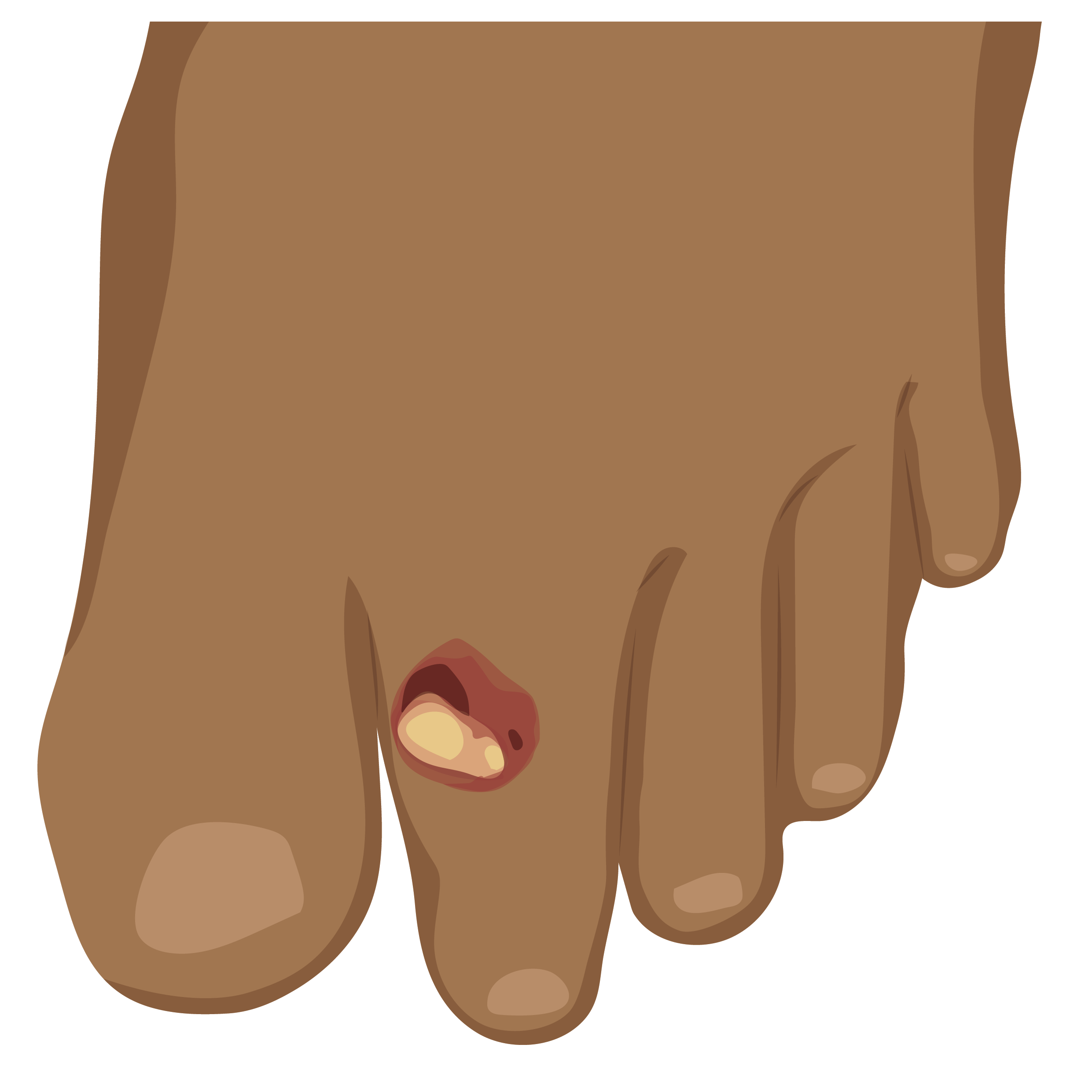
Foot wounds during follow up
People who wear therapeutic footwear are at risk of developing a foot wound. It is important to check for changes in their feet.
A wound
Requires an urgent referral to foot or wound clinic. The person should be seen by a medical professional within 24 hours. Check the therapeutic footwear is not the cause of the wound.
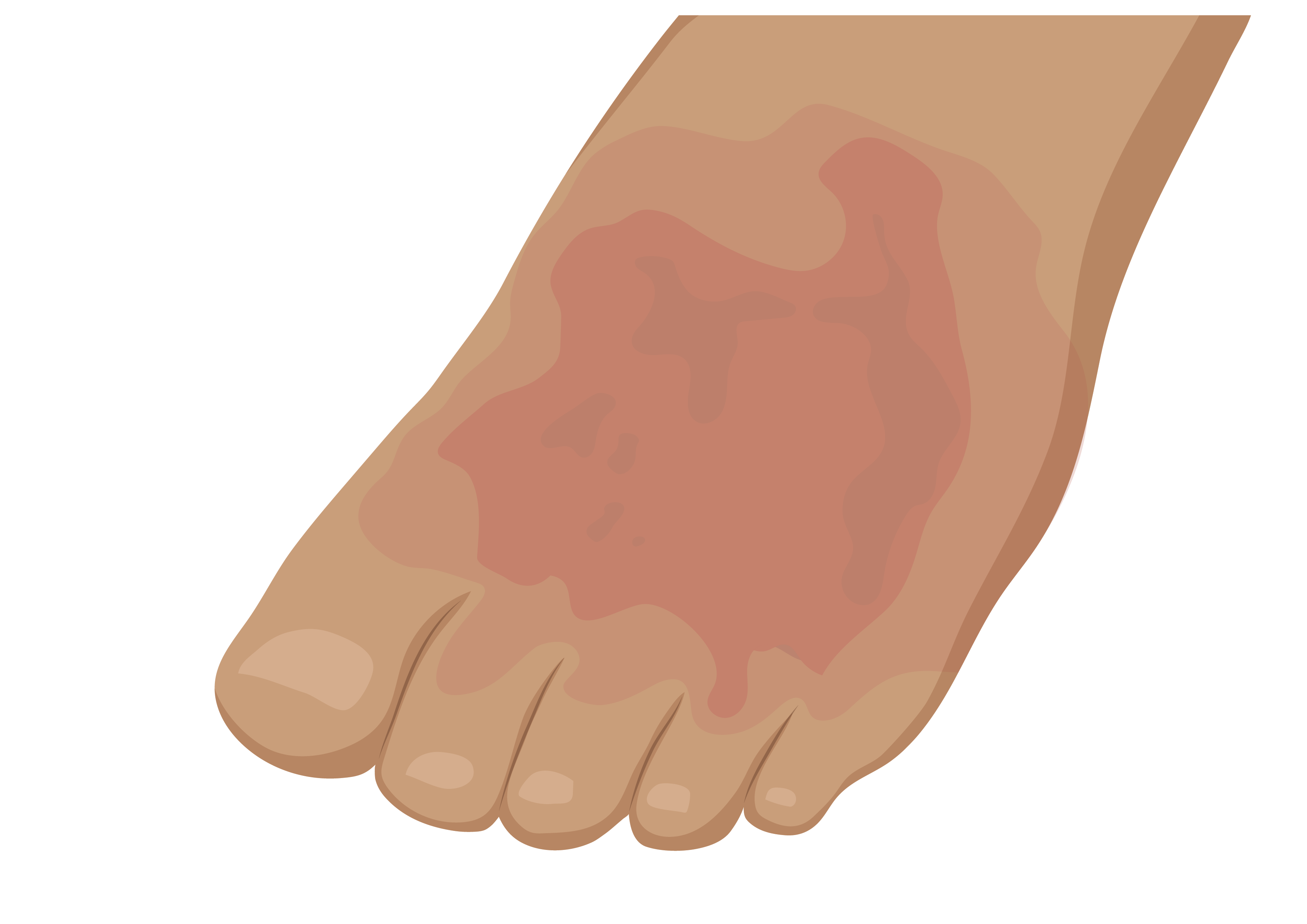
Redness and swelling
Requires urgent referral to a health professional, wound care / foot clinic. The person may have a foot infection.
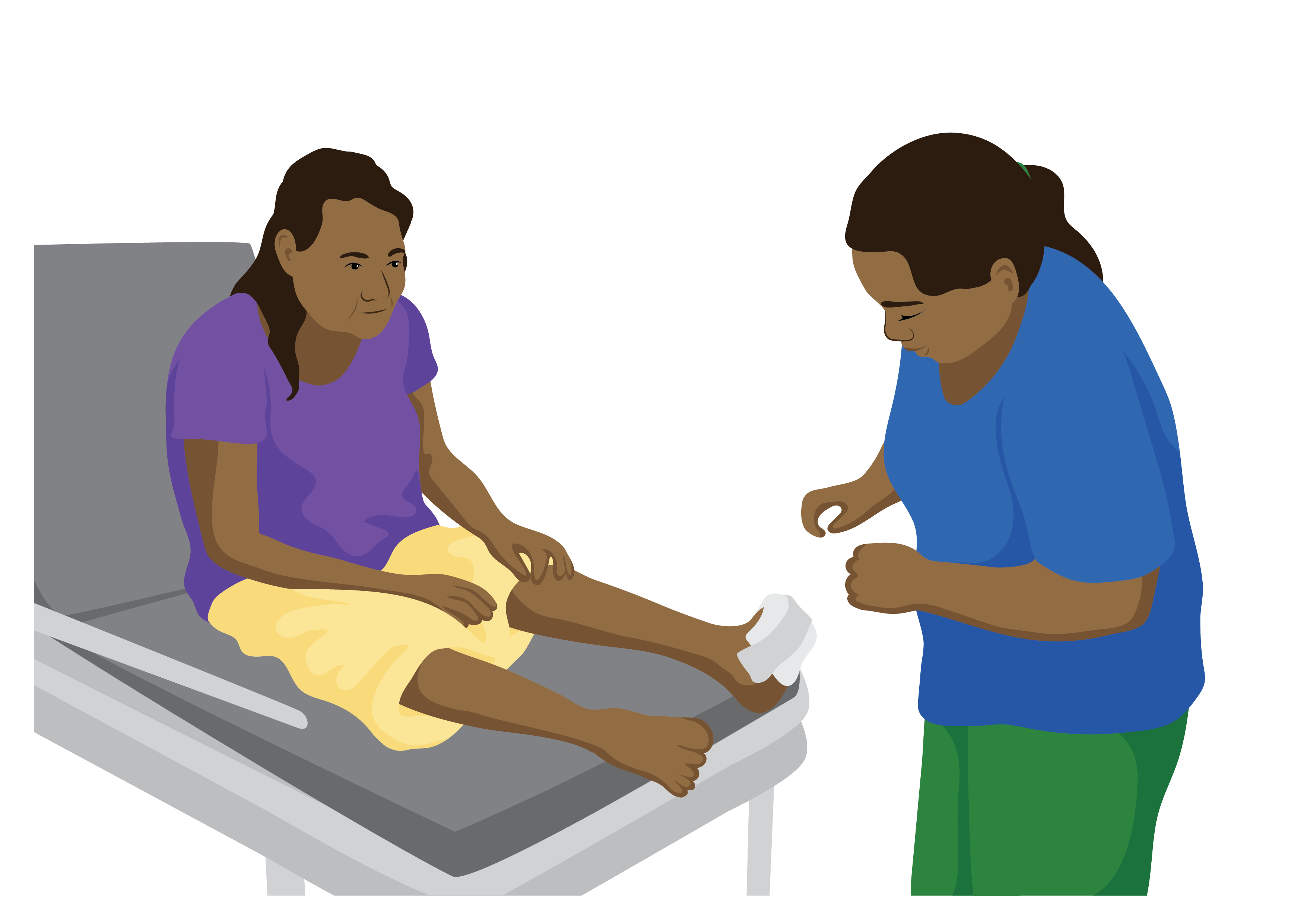
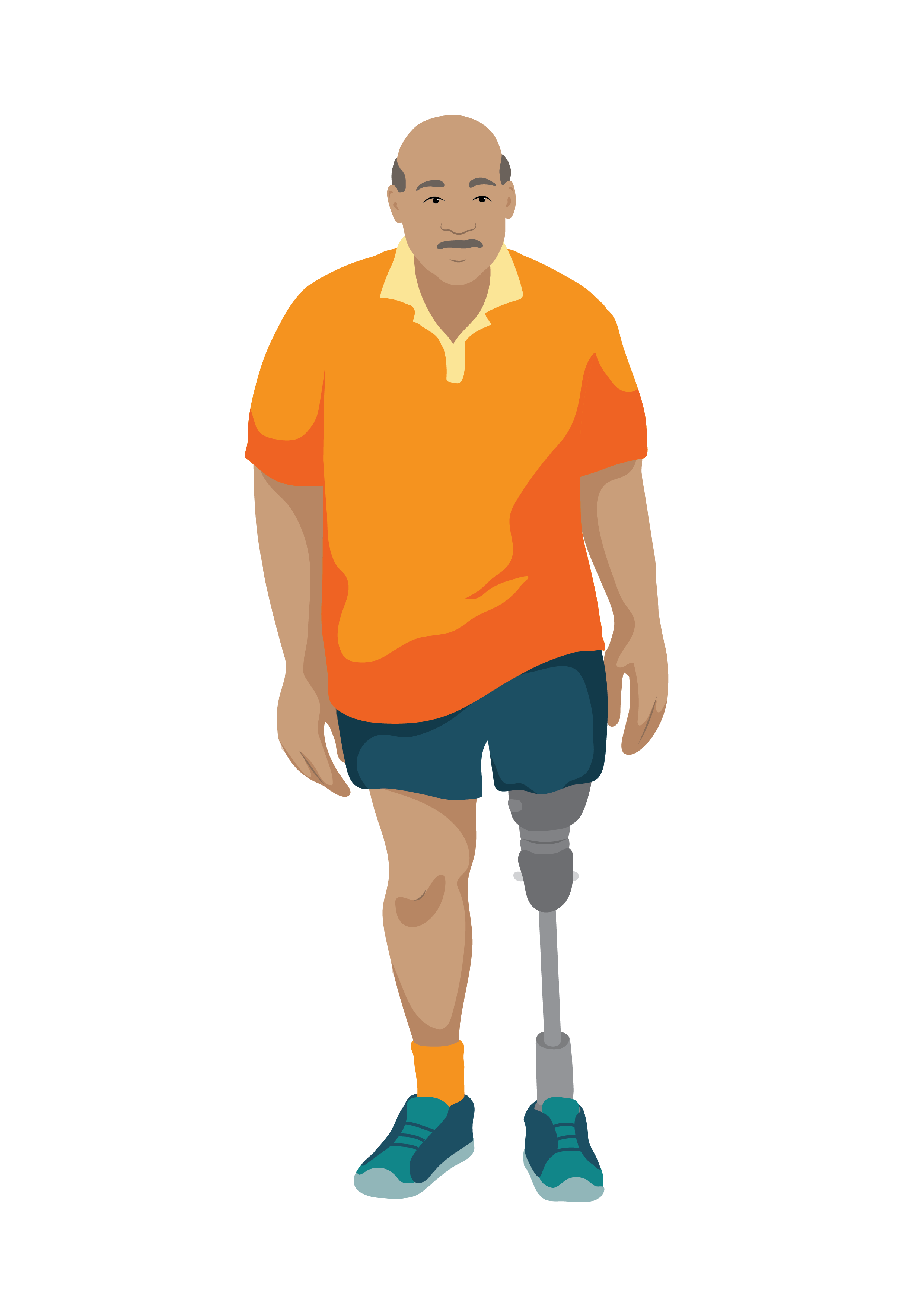
Amputation
The person will require a product beyond TAP. A toe or partial foot amputation can only be fitted with therapeutic footwear if the person already has a prosthesis.
The person’s foot/leg which does not have changes may benefit from therapeutic footwear.
New assistive product
The person may have been provided a new assistive product since they were last seen about their therapeutic footwear. This product may be a:
- Foot orthotic
- Rigid removable boot
- Prosthesis.
The person should follow the advice provided by their health professional.
Remember: If the therapeutic footwear does not fit or is unsafe to use, then it must not be used until it is repaired or replaced.