Teach

Rigid removable boots must be used correctly. Correct use prevents:
- Another injury
- Damage to their skin inside the rigid removable boot.
When to wear the rigid removable boot

The person’s plan will outline the wearing routine, including if the rigid removable boot can be taken off.
Always

If the doctor has asked not to take the rigid removable boot off, it should not be removed at any time without talking with the doctor first. Explain this to the person.
Remove for: sleeping and/or washing

If the doctor has said the rigid removable boot can be taken off when the person is washing or sleeping, they may remove it for these activities.
Explain to the person:
- Always sit down before removing the boot
- Do not stand or walk without the rigid removable boot on
- If you take the rigid removable boot off to sleep, keep it beside your bed.
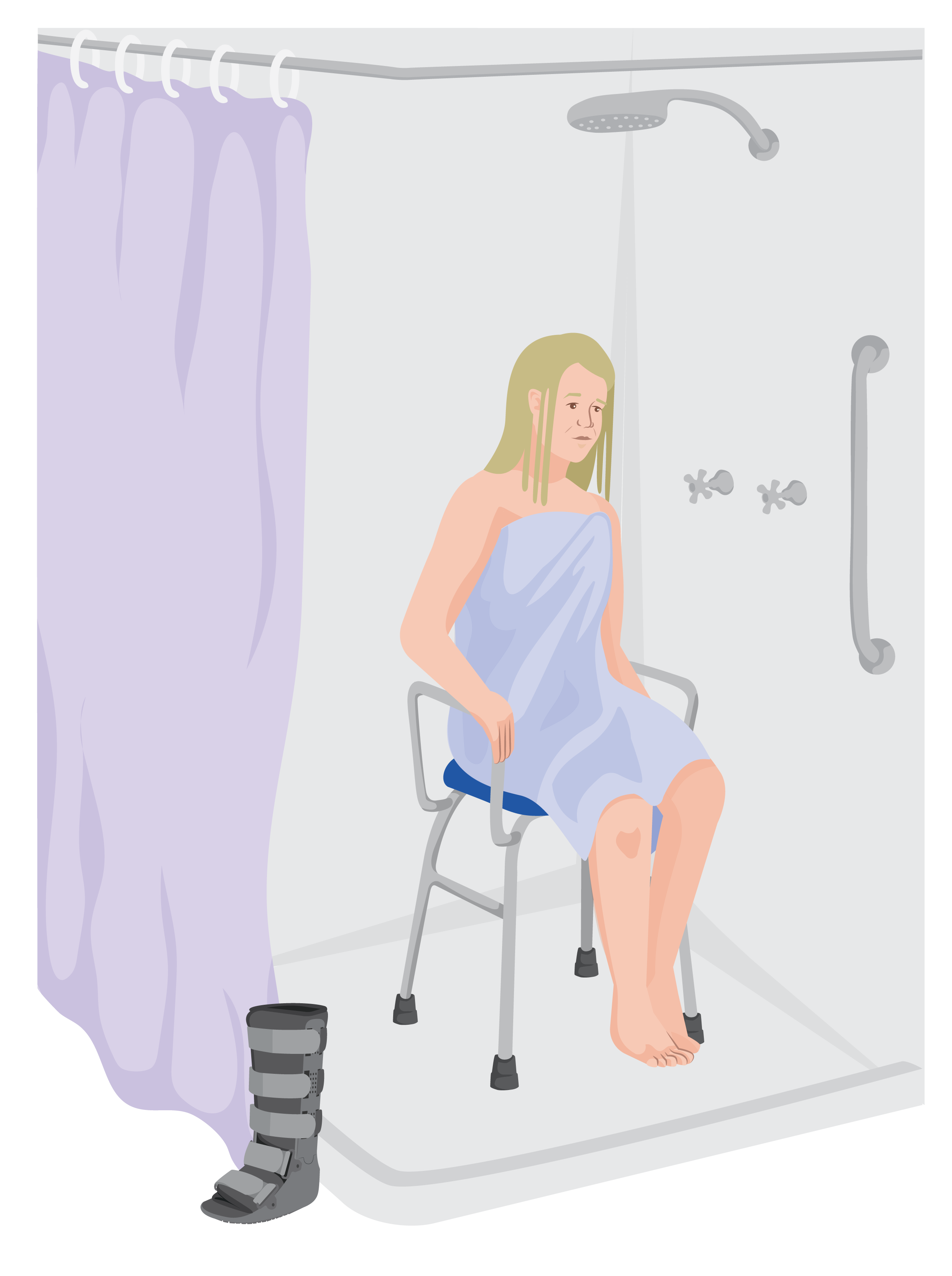
Remember Jess?
Jess’s referral said she could take the rigid removable boot off for washing.
She has a chair in her shower to sit on. This means she does not have to stand without her rigid removable boot while she is washing.
Using and caring for the rigid removable boot

A rigid removable boot will last longer and be safer if it is well looked after.
Teach people about taking care of the rigid removable boot, including:
- Wiping the outside with a damp cloth
- Wearing socks under the liner to reduce the need for washing it if they can remove the rigid removable boot.
How to put the rigid removable boot on
Teach the person how to correctly put on the rigid removable boot in three steps.
1. Prepare
- Always check inside the rigid removable boot for any objects before putting it on
- Check your foot and leg for any new marks or damaged skin
- Wear a long clean sock. If the referrer has said the rigid removable boot can be removed, change the sock each day.
2. Put on
- Sit down with knee bent
- Put foot inside the rigid removable boot with your heel at the back of the lining
- Wrap the liner around the leg and make sure there are no wrinkles
- Do up the straps in the correct order:
- Ankle
- Foot
- Calf.
3. Check comfort
The straps should be firm but not cause any pain.
Watch the video to see how you can put the rigid removable boot on yourself.
Question
Are these statements true or false?
1. When the person puts the rigid removable boot on themselves, they should remove the liner from the rigid removable boot.
If you selected false, you are correct.
The liner should stay in the rigid removable boot.
2. When putting the rigid removable boot on themselves, the person should do up the toe straps first.
If you selected false, you are correct.
The ankle straps should always be done up first.
How to take the rigid removable boot off
Show the person how to:
- Undo all straps
- Unwrap lining
- Carefully take the foot out of the rigid removable boot with as little movement as possible.
Teach the person not to remove the lining from the rigid removable boot.
Watch the video to see how you can take the rigid removable boot off.
Adjusting the rigid removable boot

Explain:
If the rigid removable boot feels too loose or tight adjust the straps to make the fit more comfortable.
If the rigid removable boot is too loose, it will not support the ankle and foot correctly.
Activity
Explain to the person that some activities require extra care when wearing a rigid removable boot.
- A person should use a handrail when walking up and down stairs
- A person may need a walking aid when walking up and down steep slopes
- A person may need a shower chair when showering if they cannot bear weight on their leg/foot.
Some activities are not possible whilst wearing a rigid removable boot including:
- Driving a car or motorbike
- Running or walking quickly
- Jumping.
Protecting the rigid removable boot from getting wet

Explain:
Rigid removable boots should not be used in water.
Rigid removable boots can be protected when a person is washing themselves if the doctor has advised not to remove it.
Discussion
The rigid removable boot should stay on, unless the doctor has said it can be removed when a person is washing themselves.
A plastic bag over the rigid removable boot can help stop water going into the boot.
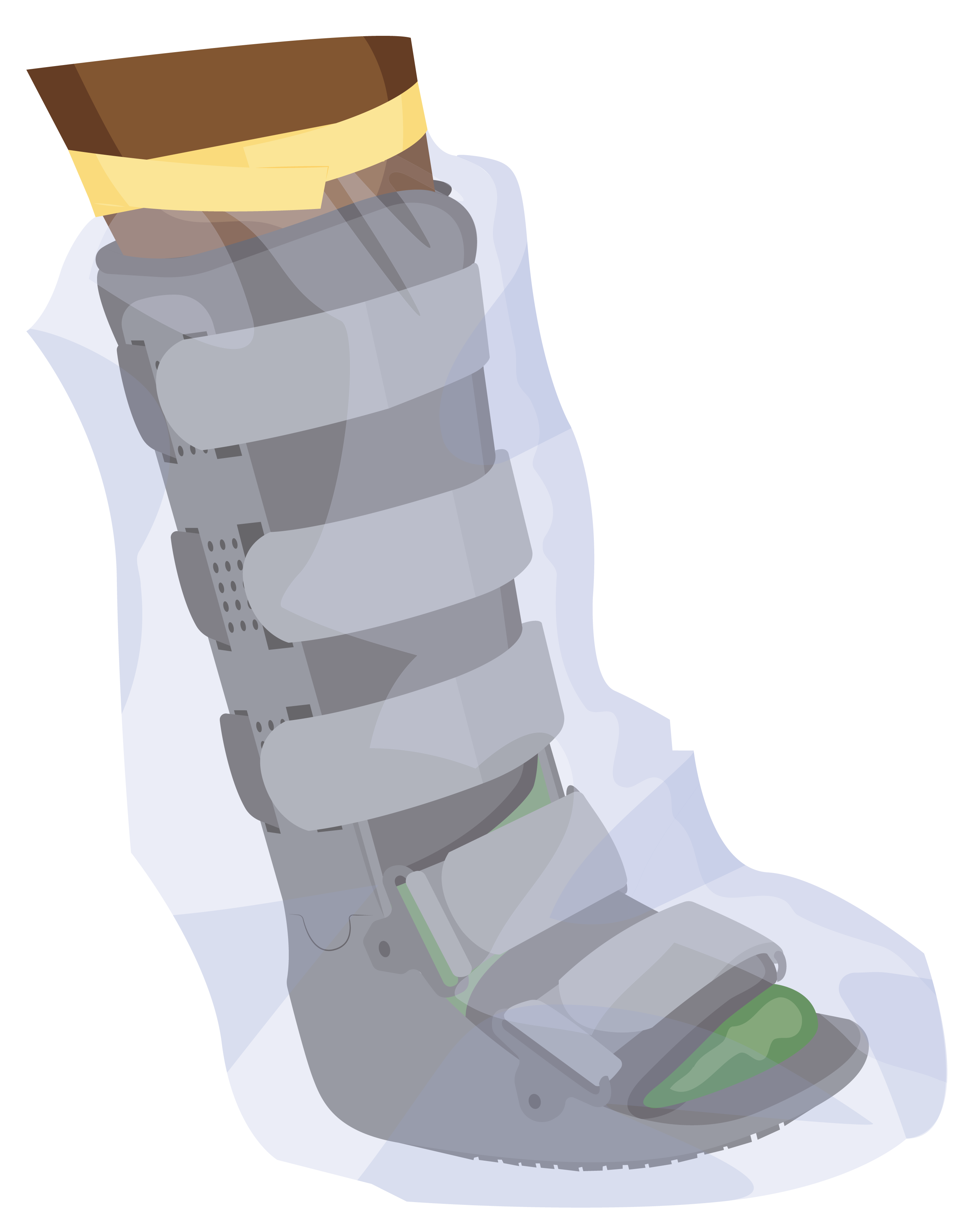
Can you think of any other ways of protecting the boot if it cannot be removed when a person is washing themselves?
Question

Remember Josephina?
Josephina is a fisher and spends lots of time on her boat and at the beach. She had a soft tissue injury to her foot and needed a rigid removable boot to assist it to heal. Josephina has diabetes and is at risk of foot wounds.
What would you tell Josephina about using the rigid removable boot near water?
Select all that apply.
If you selected a and b, you are correct.
It is very important to talk with Josephina about the risks of going on the beach and in the water with the rigid removable boot. Advise Josephina that she will not be able to continue fishing while her injury heals.
Josephina is at high risk of a foot wound. If her foot gets wet inside the rigid removable boot this could cause a new foot wound.
It is also important to explain what to do if the rigid removable boot does get wet.
c is not correct.
The rigid removable boot should not be used in water.
Using the rigid removable boot when sleeping
Explain:
If the rigid removable boot cannot be removed for sleeping try wrapping some soft material around it to make it more comfortable.
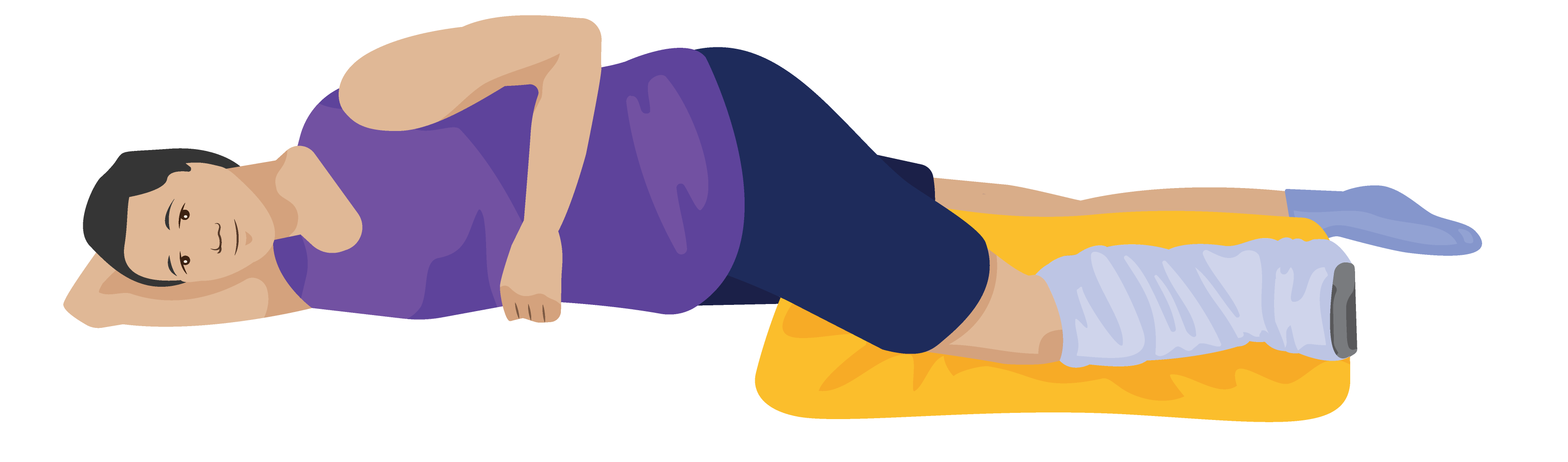
Remember Wei?
Wei uses an old pillow case wrapped around her boot to make it more comfortable for her when she sleeps. This stops the rigid removable boot from rubbing on the other leg. Wei also sleeps with a pillow between her knees for extra comfort.
Moving safely

Explain:
Before starting to walk with the rigid removable boot:
- Check the rigid removable boot is on correctly
- Always wear a suitable shoe with a thick sole on the other foot
- Your leg with the boot may feel longer than the leg with the shoe. A suitable shoe will assist you to feel more balanced while walking.
It is important to be safe when standing up, sitting down and walking with the rigid removable boot. It may feel safer to have a person to support you at first.
When first using the rigid removable boot:
- It will feel heavy
- It may make it harder to balance
- A walking aid should be used to assist with balance if needed.
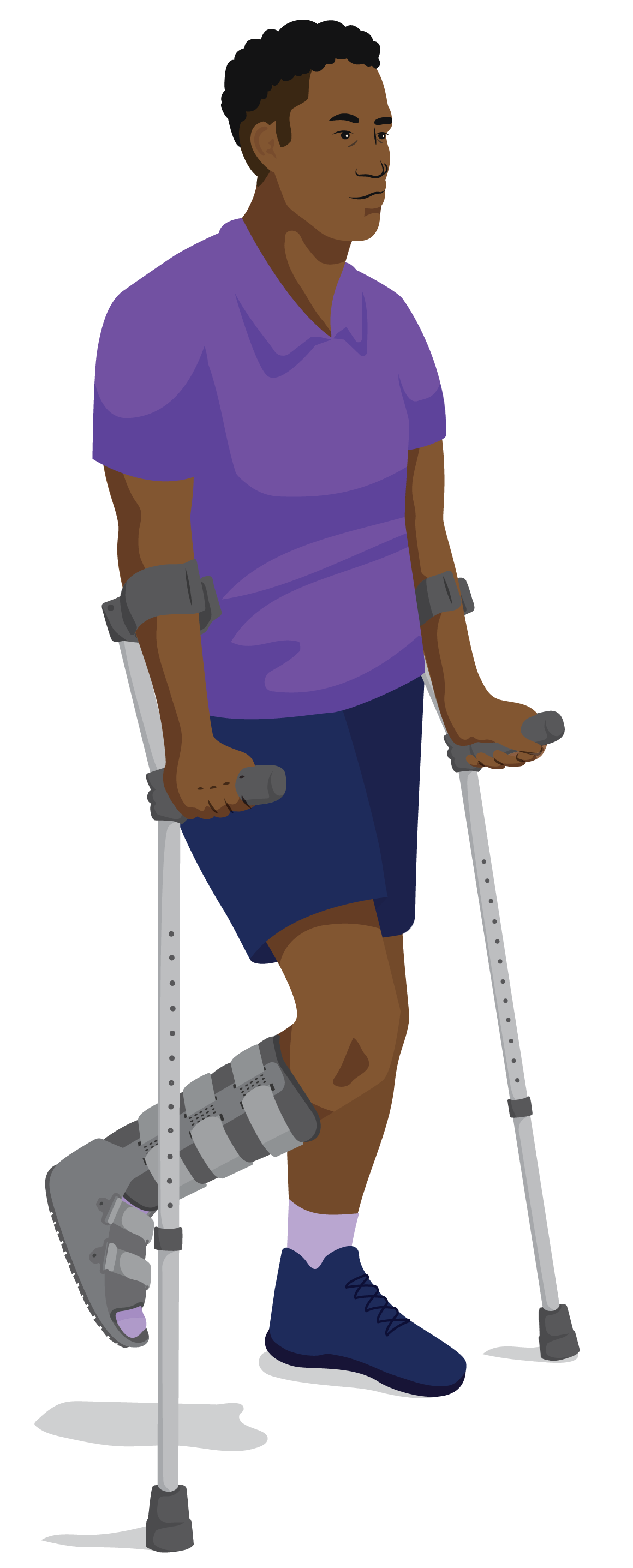
Walking with full weight bearing
Try to walk as normal, with full weight going through the rigid removable boot.
Watch the video to see how to walk with full weight bearing on the rigid removable boot.
Walking with semi weight bearing
Use walking aids, putting only some weight through the rigid removable boot.
Watch this video to see how to use the rigid removable boot semi weight bearing.
Walking with non weight bearing
Use a walking aid putting no weight through the rigid removable boot.
Watch this video to see how to use the rigid removable boot in non weight bearing.
Question
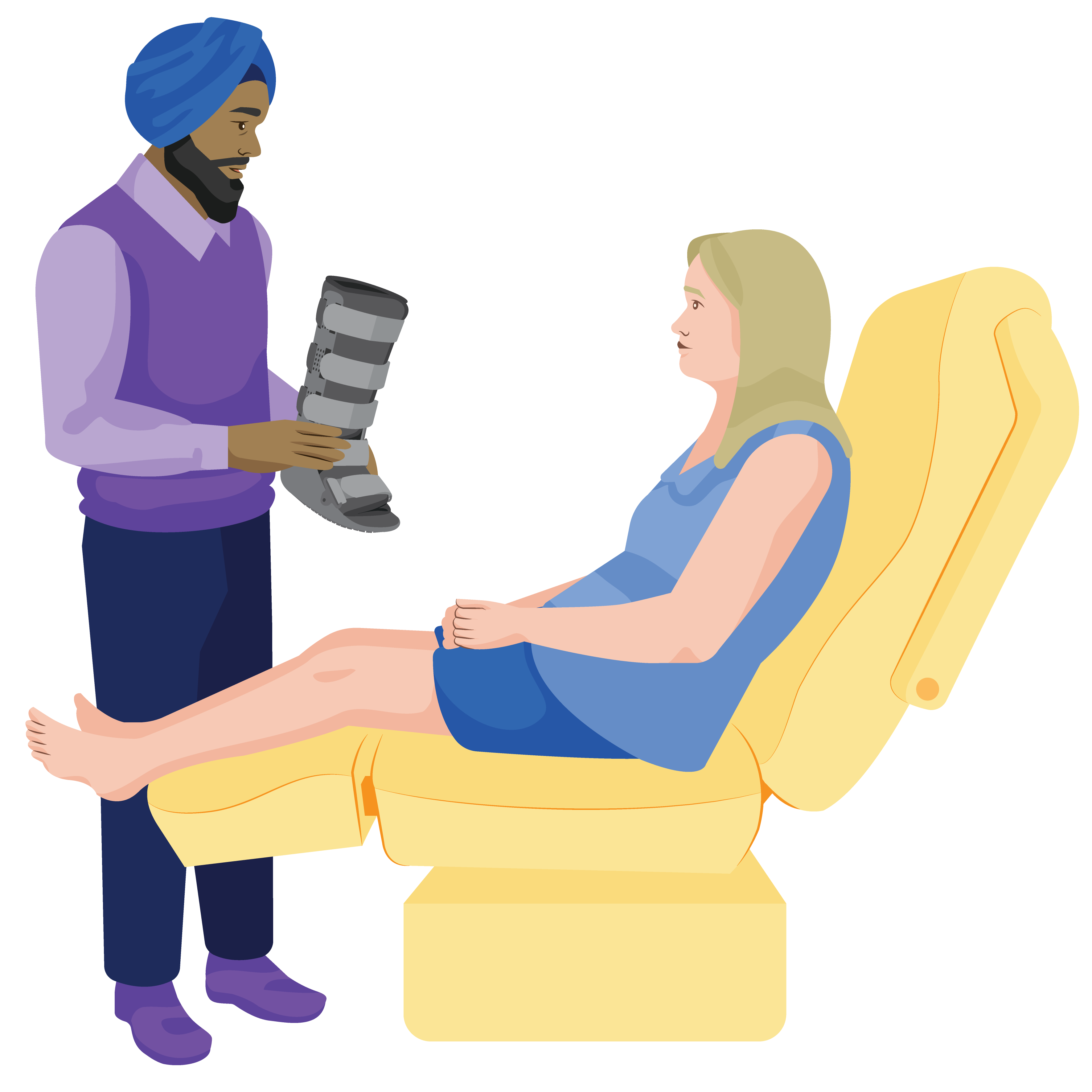 Remember Jess?
What would you discuss with Jess when she first starts using her rigid removable boot?
Select all that apply.
If you selected b, c and d, you are correct.
Jess should practice on flat ground first and then practice outside and on uneven ground. It can be hard for some people to balance with the rigid removable boot.
a is incorrect.
It is not always easy for all people to use a rigid removable boot.
Review the TAP Walking aids module for a reminder about safe mobility and supporting someone using walking aids.
Warning signs

Explain to the person to contact you or their doctor if they notice any warning signs.
Question
What would you teach Jess about when to get assistance from her doctor?
Select all that apply.
All are correct.
If Jess has any problems or notices anything different about the feelings (sensation) she has when using the rigid removable boot, she should contact her health worker if she has concerns about her rigid removable boot or her doctor if she has concerns about her injury.