Some vision problems cannot be improved. This means that vision cannot be fully restored with treatment or prescription spectacles.
Most people in this situation experience either low vision or blindness. Assistive products are very important for this group of people.
Low vision
A person with low vision can see some things but usually finds it hard to learn or carry out tasks without low vision assistive products.
Different causes of low vision can lead to problems with different tasks. For example:
- People with central vision loss (loss of the ability to see things directly in front of them) will have difficulty seeing detail in objects or people.
- People with peripheral vision loss (loss of the ability to see things on the edges of their vision) may have difficulty moving around, as seeing the ground under them and any obstacles is difficult.
People with low vision should have a full assessment of their vision by an eye health professional; as prescription spectacles and other medical care could improve their vision.
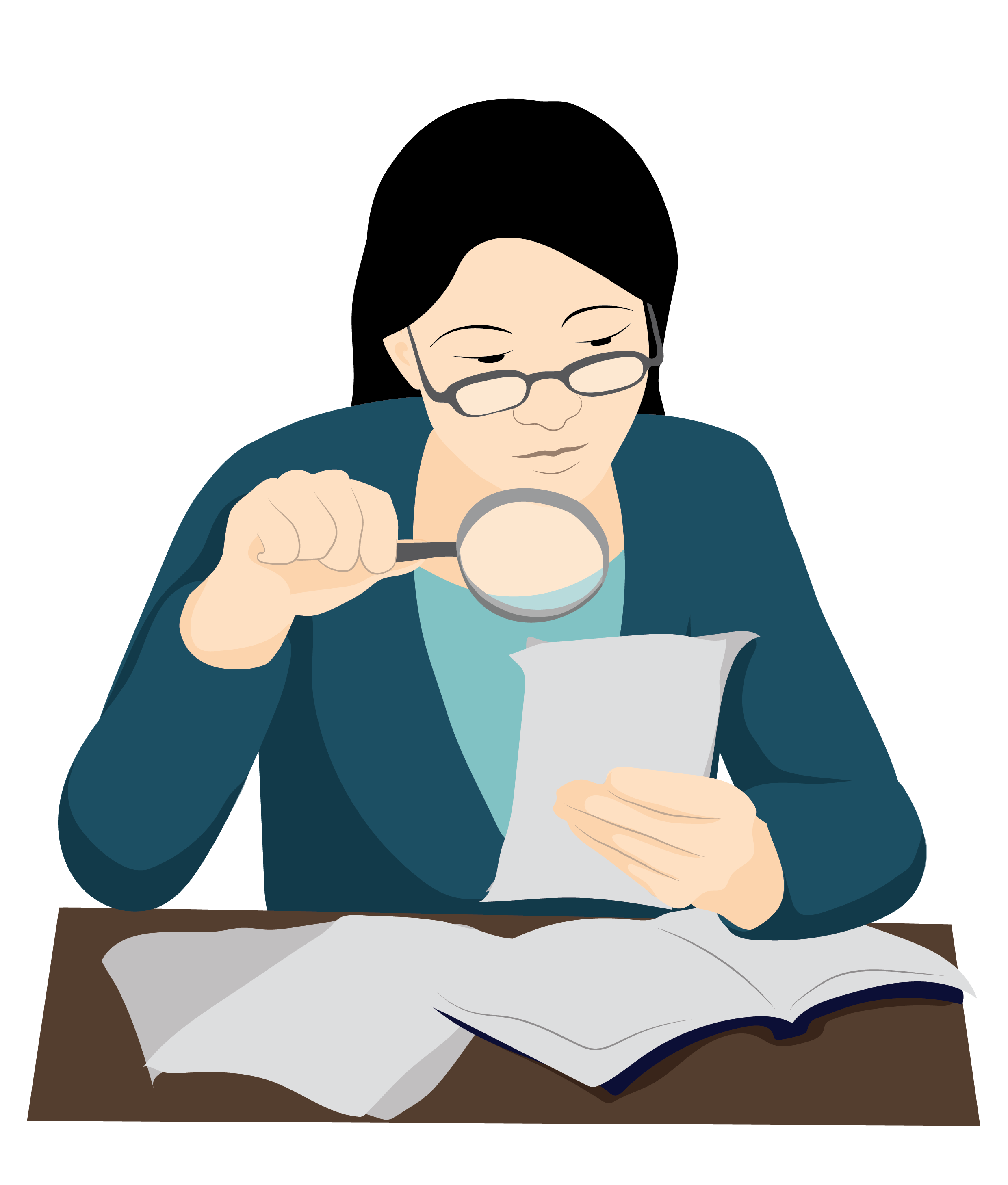
Meet Ying
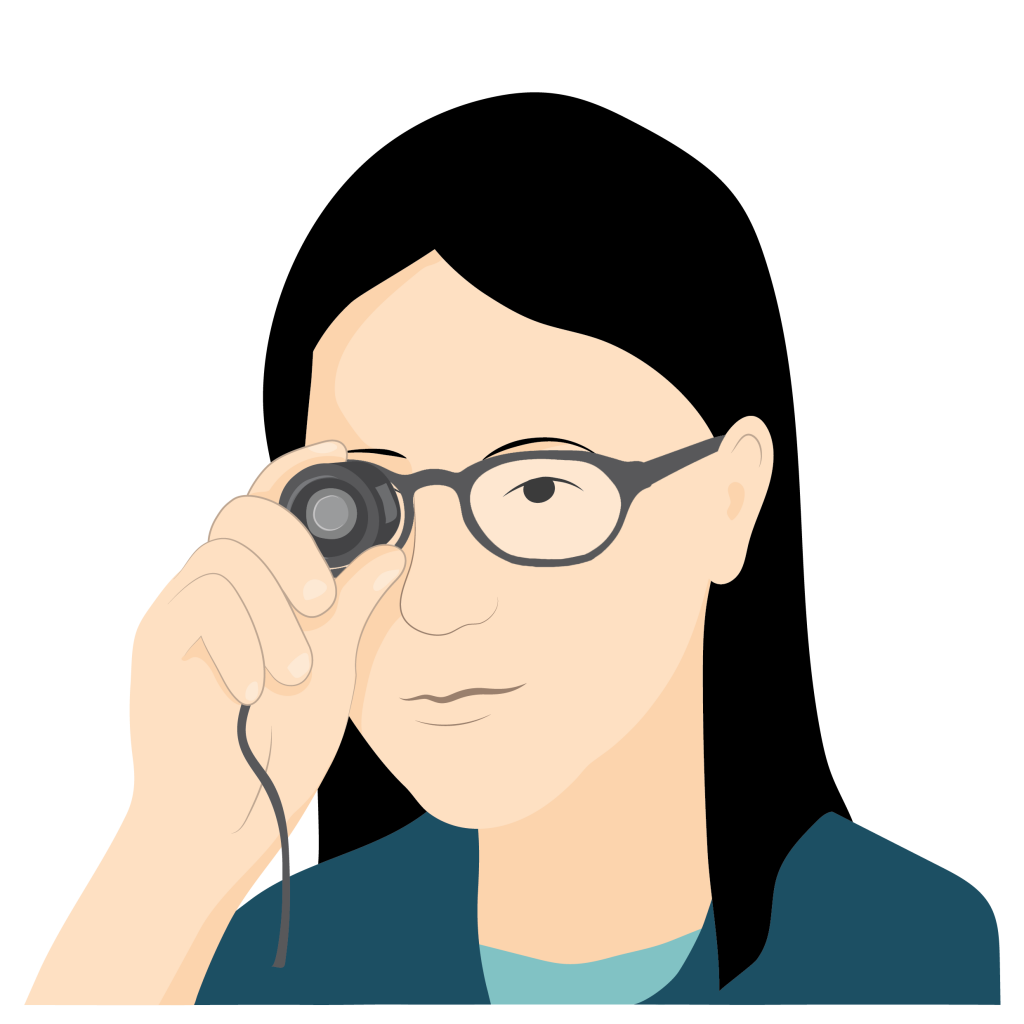
Ying works in an office. She wears prescription spectacles. These improve her vision, but she still cannot see in the distance.
As well as her prescription spectacles, Ying uses a handheld magnifier to see things up close and a telescope to see things that are further away.
Question
What vision problem do you think Ying has?
- Distance vision problem (myopia)
- Near vision problem (hyperopia)
- Astigmatism
- Near vision problem in older adults (presbyopia)
- Low vision
Ying has low vision because her vision problem cannot be fully corrected by prescription spectacles.
Blindness
A person who is blind has significant loss of vision.
Any person who is blind should have a full assessment of their vision by an eye health professional. Their blindness could be caused by an eye health problem that can be treated to improve or restore their vision.
People who are permanently blind use different ways to learn and carry out activities, often with assistive products.
Children and adults with any of the vision problems described above may benefit from vision assistive products.
Which product or products depends on what the problem is with their vision and the things they want to do.