Vision
Vision is the ability to see. This includes being able to see close up and in the distance.
Distance vision
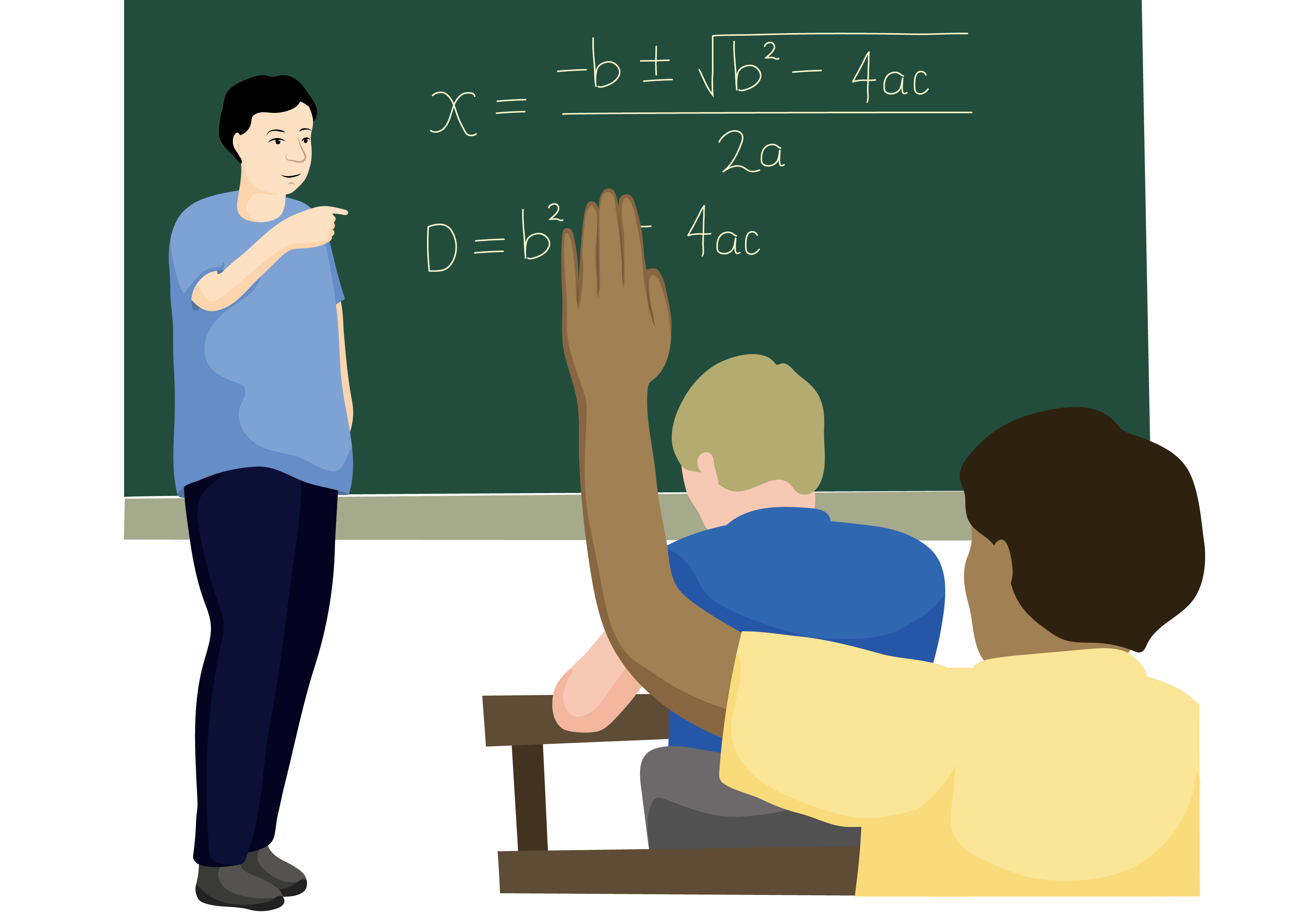
Distance vision is the ability to see objects clearly from a distance.
Distance vision is used to see (for example):
- The blackboard in a classroom
- Street or shop signs
- Faces across a room
Near vision
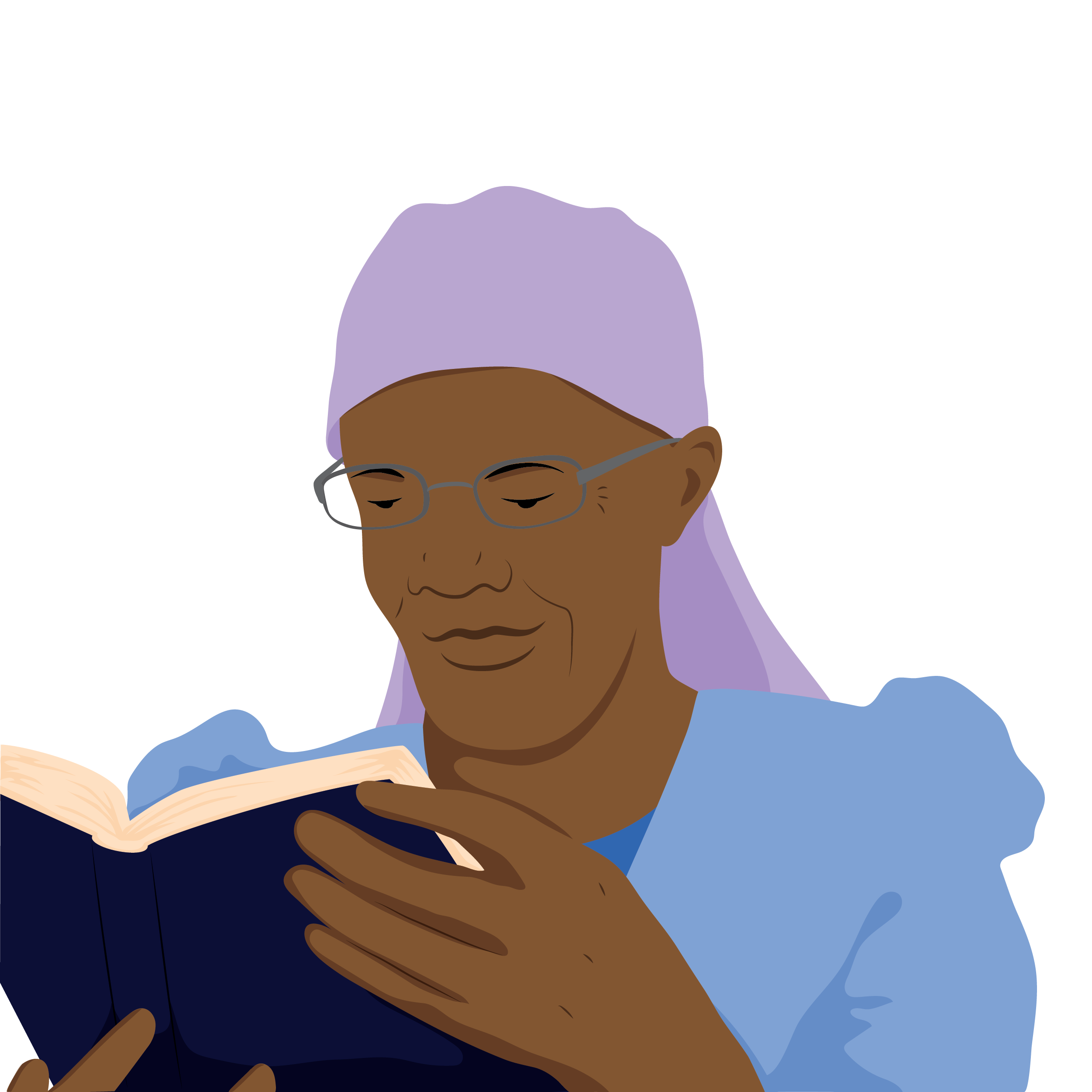
Near vision is the ability to see objects close up.
Near vision is used for tasks such as:
- Reading books or newspapers
- Sewing
- Preparing food
- Sorting objects
Vision problems
There are different problems that a person may have with their vision including:
- Eye health problems
- Distance vision problems
- Near vision problems
Most vision problems can be prevented or improved with the right treatment, and/or assistive products. For example:
- A person with a cataract can have surgery that restores their vision.
- A person with a distance vision problem may have full vision with prescription spectacles.
Some vision problems cannot be fully improved. This means treatment will not fully restore vision. However assistive products and a more accessible environment can assist the person to do the things they need to do.