Distance or near vision problems
A common cause of distance or near vision problems is refractive error. This is due to the shape of a person’s eye.
Types of refractive error that can affect people are:
- Distance vision problems (myopia or short-sighted)
- Near vision problems (hyperopia or long-sighted)
- Near vision problems in older adults (presbyopia)
- Astigmatism
Distance vision problems (myopia): People with myopia can see close objects clearly, however more distant objects are blurry.
Near vision problems (hyperopia): People with hyperopia can see things clearly in the distance but have difficulty seeing things that are near. However, in some cases, both near and distance vision may be a problem.
Near vision problems in older adults (presbyopia): People with presbyopia have difficulty seeing things that are near. Presbyopia only occurs when people reach the age of 40 years or over. They may notice that near vision activities become more difficult, or their eyes get tired with these activities.
Astigmatism: People with astigmatism have difficulty seeing clearly in the distance and close up. They may say their eyes are tired or strained.
Instruction
Compare the four images below to see how myopia, hyperopia, presbyopia and astigmatism can affect what a person sees.




Question
Which of the activities below would be difficult for a person with distance vision problems?
- Read writing on a classroom blackboard
- Identify people sitting across a large room
- Read a book
- Sew
- Read street signs
Depending on how much the person’s vision is affected, these things may be difficult for a person with distance vision problems to do without the right prescription spectacles:
- Read writing on a classroom blackboard
- Identify people sitting across a large room
- Read street signs
Which of the activities below would be difficult for a person with near vision problems?
- Read writing on a classroom blackboard
- Identify people sitting across a large room
- Read a book
- Sew
- Read street signs
Depending on how much the person’s vision is affected, these things may be difficult for a person with near vision problems to do without the right near vision spectacles:
- Read a book
- Sew
Distance vision problems (myopia), near vision problems (hyperopia), near vision problems in older adults (presbyopia) and astigmatism can usually be corrected or improved with prescription spectacles, contact lenses or surgery.
Discussion
Discuss with colleagues:
- Do you, family members, or people you know wear prescription spectacles?
- Are prescription spectacles readily available in your area? If so, who provides them? What is the cost?
Instruction
Provision of standard near vision spectacles (not prescription spectacles) is included in TAP.
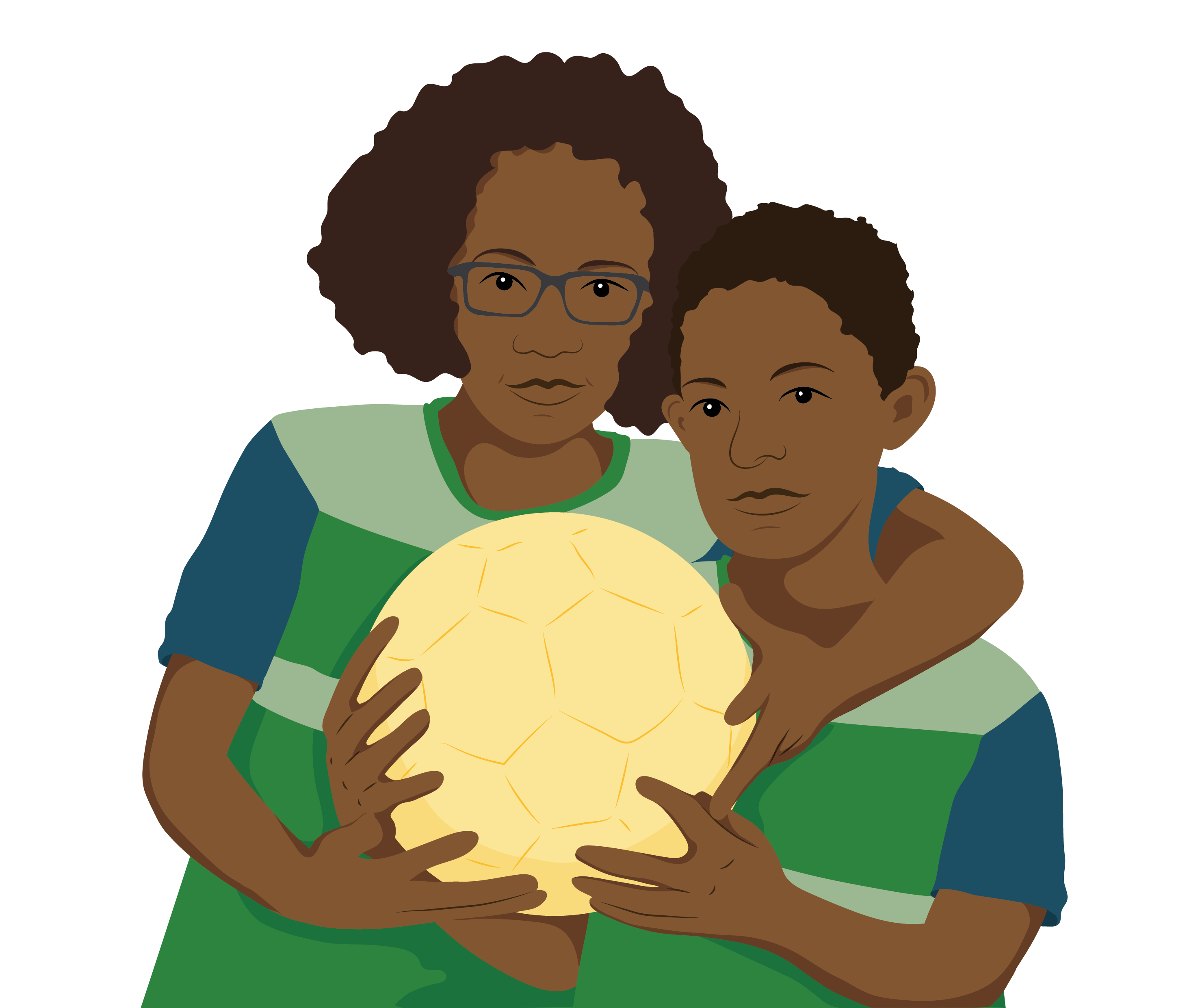
Meet Alitia
Alitia enjoys school, playing soccer, and spending time with her friends.
When Alitia first started school, her teacher noticed that she was finding learning to read the blackboard difficult and was losing confidence.
When all students were given a vision screen, Alitia was identified as having a possible vision problem. She was referred to an eye health professional who tested her vision and found that she had myopia. She received prescription spectacles.
Alitia very quickly regained her confidence and no longer found her lessons difficult.
She goes for follow up appointments to the eye health professional every year, to make sure her prescription spectacles are working well for her.
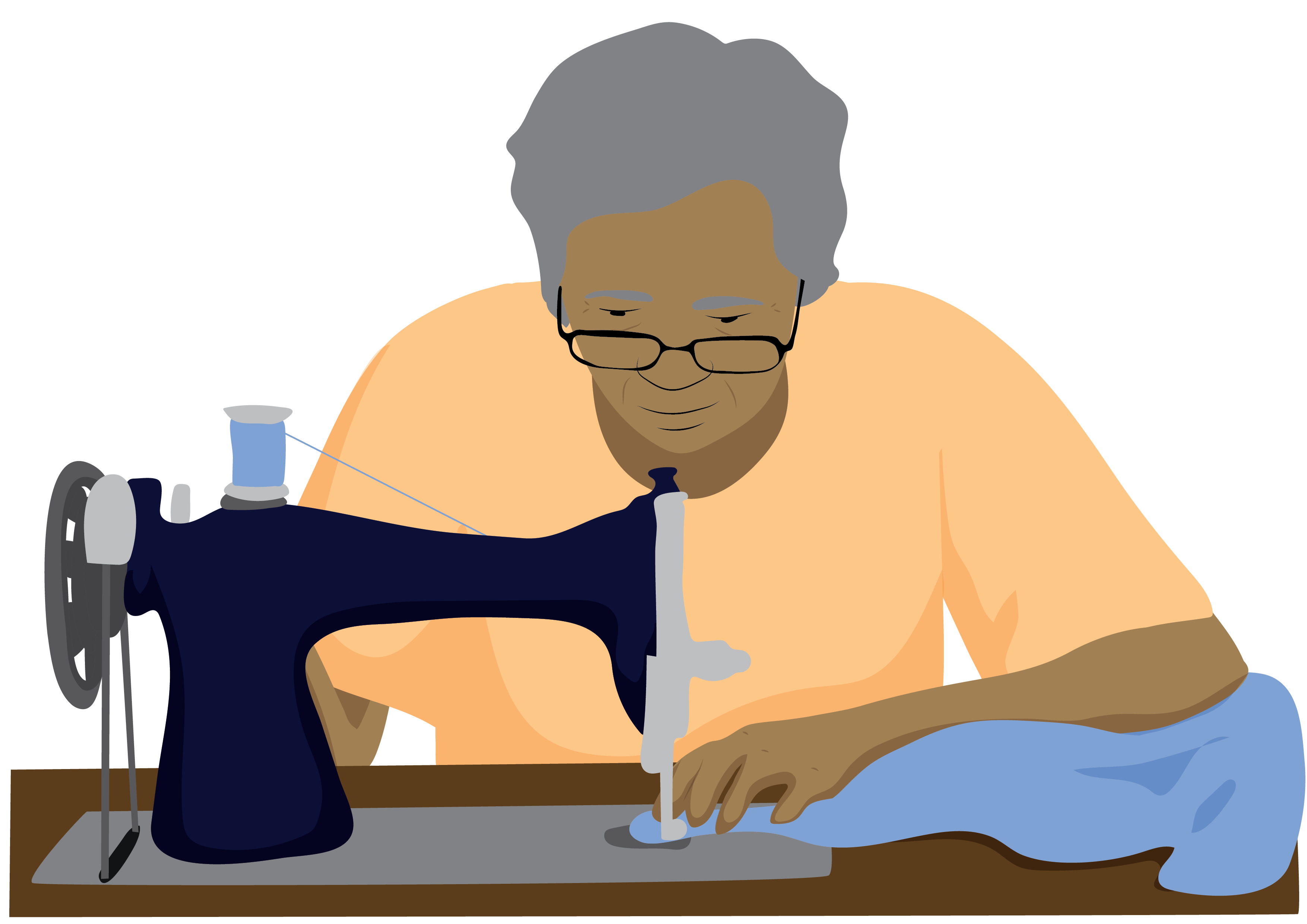
Meet Malik
Malik is a tailor aged 45. He recently began using near vision spectacles to read stories to his grandson and to sew.
Question
What vision problem do you think Malik has?
- Distance vision problem (myopia)
- Near vision problem (hyperopia)
- Astigmatism
- Near vision problem in older adults (presbyopia)
Malik has presbyopia, because his vision problem began as he became older and affects seeing up close.