In this topic, you will learn about using therapeutic footwear safely and appropriately.
How to put on therapeutic footwear
- Open the straps of the shoe.
- Slide the toes into the shoe first, then the heel.
- Make sure there are no creases in the back of the shoe.
- If the shoe has a tongue, pull it to make sure it is flat.
- Do up the straps.
Watch these videos to learn how to put on therapeutic footwear correctly.
Include family member or caregiver
If the person needs assistance to put on shoes or has trouble remembering, teach their family member or caregiver how to put on their shoes.
People who walk barefoot
People who usually walk barefoot may not find wearing therapeutic footwear comfortable. It will take time to get used to them.
Teaching correct use will support safe use to avoid injury.
Foot care and protection
There are five steps to caring for and protecting feet.
The person must know how to follow these steps to reduce their risk of having a foot wound.
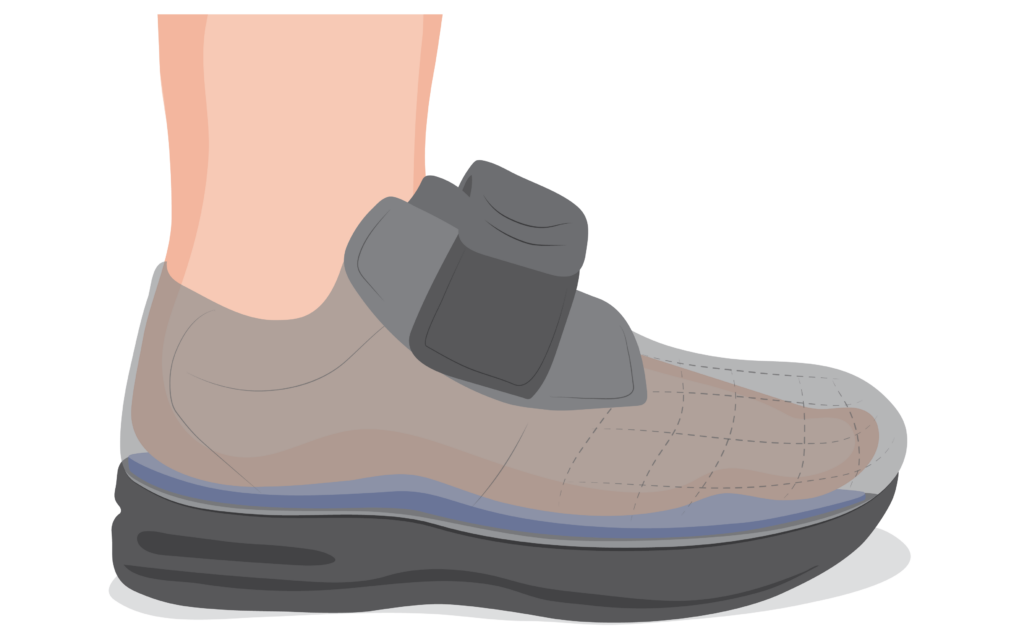
1. Wear well fitted shoes
Footwear that does not fit can cause injury and lead to developing a foot wound.
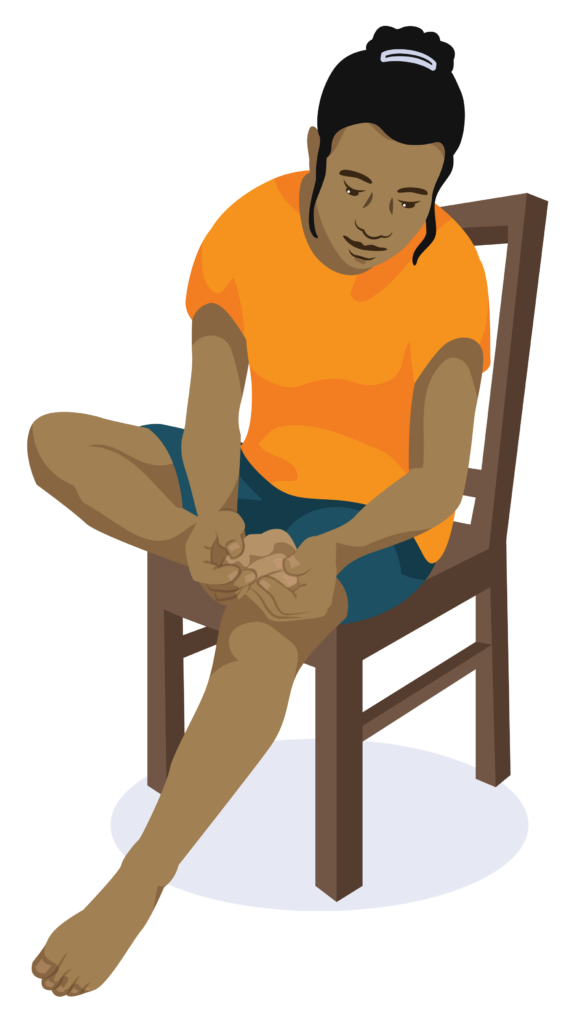
2. Check feet daily for changes or injury
Problems that are identified early can be addressed before they get worse. This leads to better outcomes.
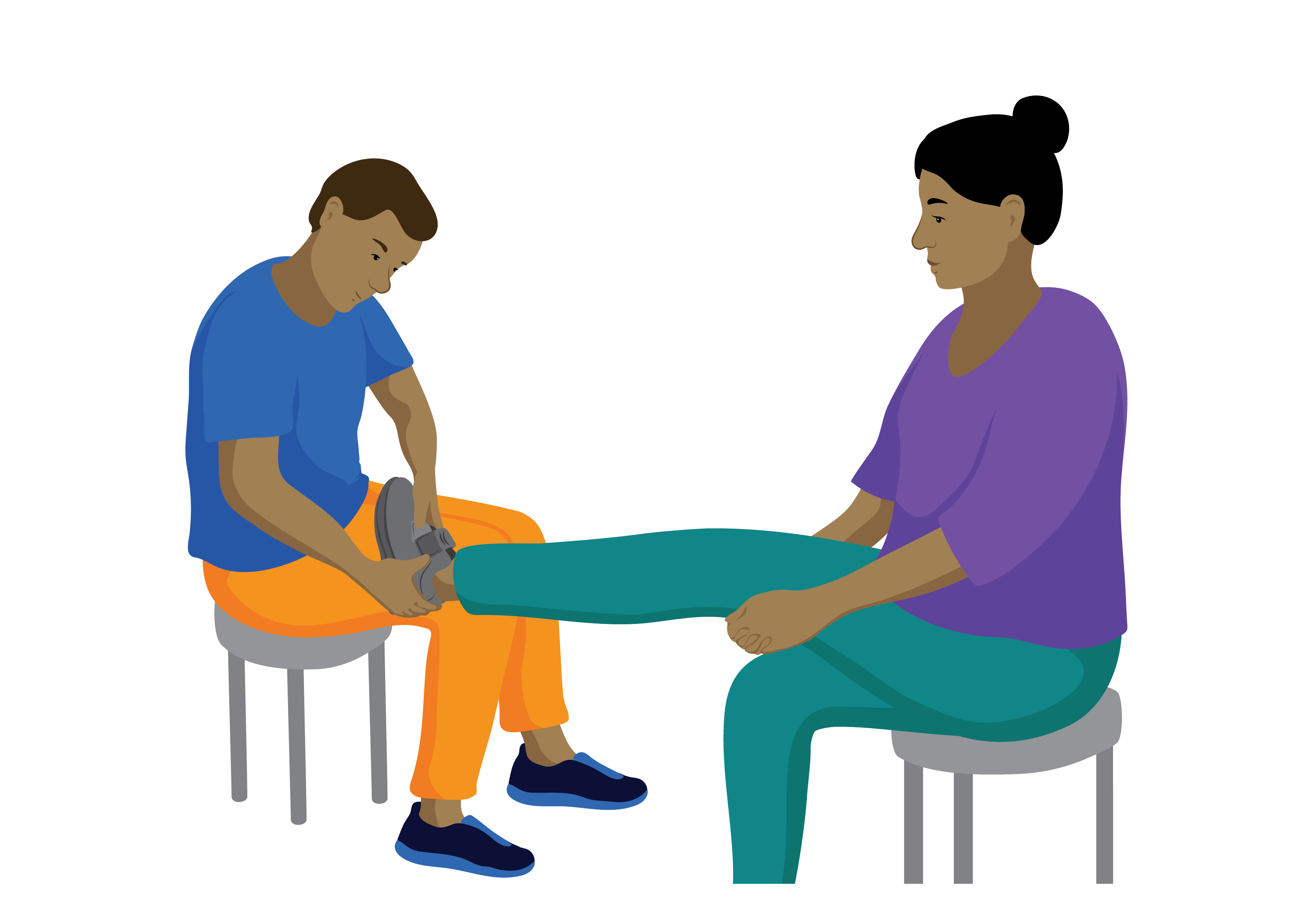
3. Contact somebody if you have any concerns or questions
Provide the person with information about who to contact if they have a concern, and how to contact them.
If there are any problems with the fit of the footwear or injuries from the footwear, contact the service immediately for a follow up.
If the person develops a foot wound, they should seek medical care within 24 hours.
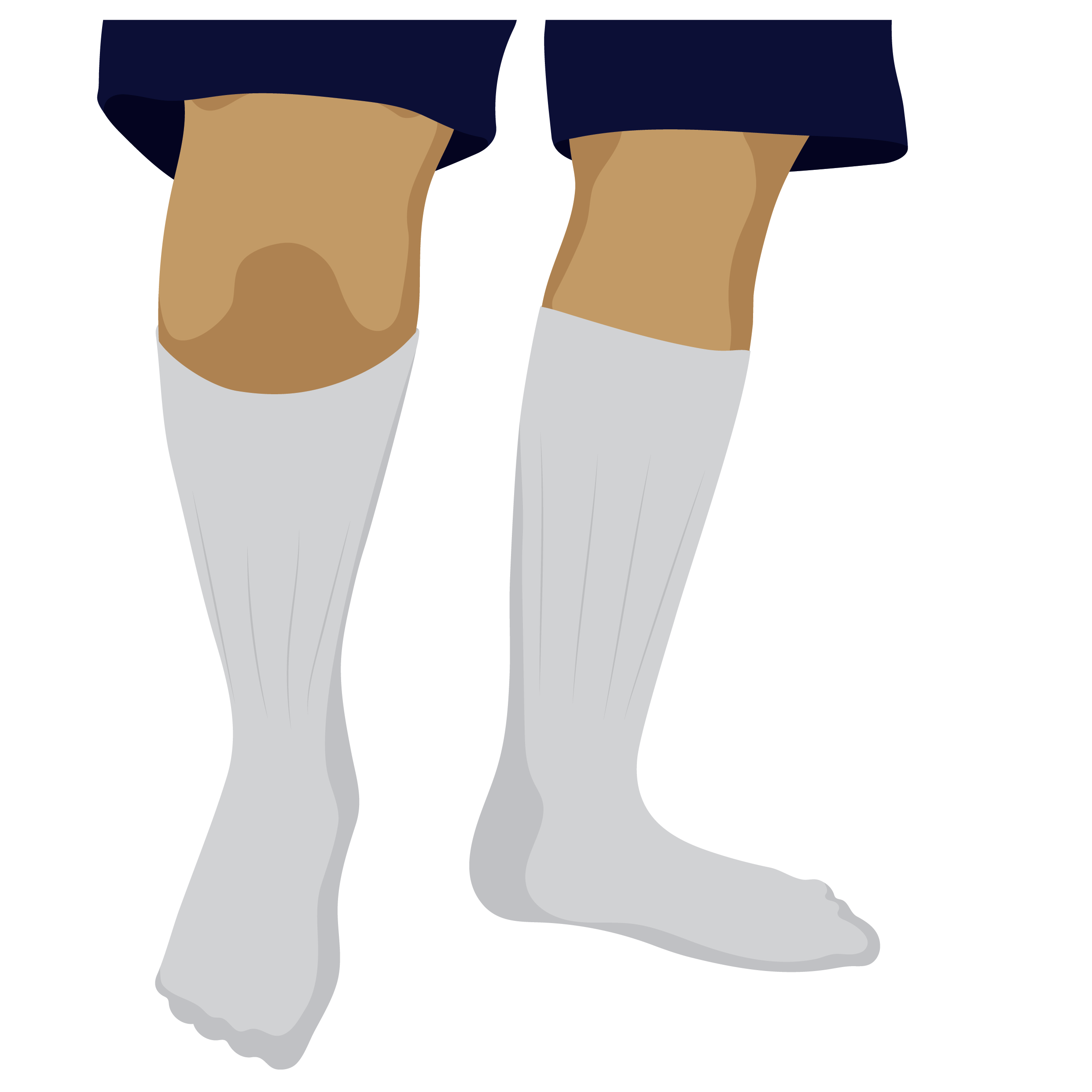
4. Wear appropriate socks which are washed and changed daily
Appropriate socks are clean socks that fit well.
Therapeutic footwear must always be worn with socks.
Socks should:
- Fit the foot firmly: Loose socks can wrinkle inside the shoe
- Be thin: Thick socks take up too much space in the shoe
- Seamless: Seams can rub on the foot and damage skin
- Light in colour: It is easier to notice if the foot is bleeding
- Breathable: Most common materials are wool or cotton to reduce moisture and bacteria.
5. Wear therapeutic footwear indoors and outdoors as often as possible
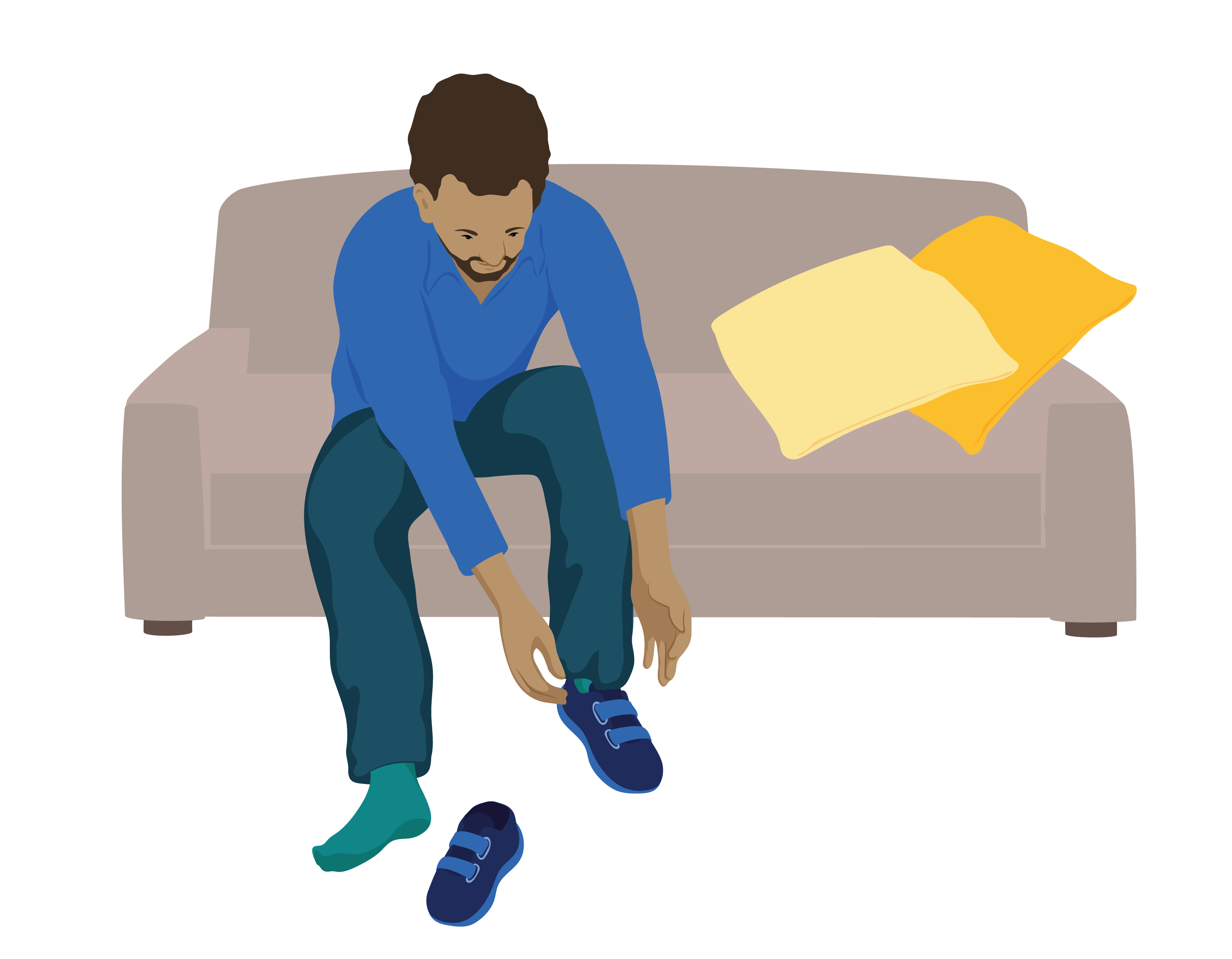
Wear footwear indoors and outdoors
A foot injury can happen in any environment. Feet are only protected when the footwear are being worn.
Encourage the person to wear their footwear indoors and outdoors as often as possible. This will protect their feet and reduce the risk of a wound developing.
If a person does not want to wear their outdoor shoes inside, they may need two pairs. One pair to be used outside, and one pair to use inside.
Question
Read the following examples and answer the questions.
1. A person has found a wound on the bottom of their foot when they did their daily foot check. They usually wear shoes and black socks when they go outside. They do not know when the wound happened.
Which actions would have helped them to spot the wound sooner?
Select all that apply.
If you selected a and b, you are correct.
Wearing light socks makes it easier to see blood. Wearing their footwear inside and outside would have given them more protection.
c is incorrect.
The person may have problems with feeling (sensation) which will stop them feeling pain even if injured.
2. A person uses their therapeutic footwear when they are leaving the house. They feel it is not necessary to wear their shoes indoors.
Does this increase the risk of a foot wound?
Yes, people often take more steps inside than outside.
Wearing therapeutic footwear inside and outside offers more support and protection from injury and pressure on the feet.
People who have problems with feeling (sensation) in their feet have a higher risk of foot wounds. It is important they regularly check their feet and wear therapeutic footwear as often as possible.